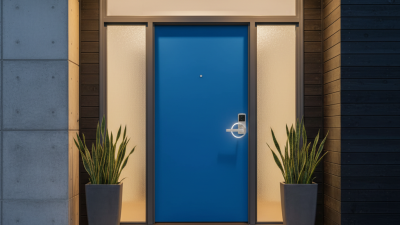
2026 Best Types of Contemporary Front Doors

Choosing a front door in 2026 involves more than following a polished design trend. Contemporary front doors now combine sculptural form, stronger insulation, smart access, and practical weather protection. The best choice should suit the building, climate, entrance width, and daily routines. A dramatic pivot door may create an unforgettable entrance, yet it can demand careful structural planning and dependable hardware.

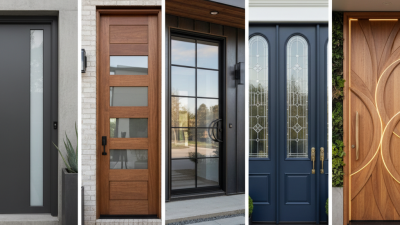
This guide examines popular styles, including slimline steel, natural timber, glass-panel, flush, oversized, and bold colored doors. Each type creates a different experience. Matte black steel feels architectural and precise. Warm oak softens concrete walls. Ribbed glass filters daylight across a hallway without making the entrance feel exposed. Small details matter, too. Check the threshold, hinge quality, locking system, drainage, and thermal performance before trusting attractive photography.

Expert recommendations should be practical, not merely fashionable. Reputable manufacturers publish performance information, installation guidance, warranty terms, and maintenance requirements. Qualified installers can also identify problems that a showroom display hides, such as uneven openings, weak surrounding walls, or poor water management. Energy performance and security features should be verified for the specific product, not assumed from its appearance. This overview still has limits. Materials age differently, and a door that performs well in one region may struggle elsewhere. Personal taste can also mislead. A beautiful entrance is not automatically a sensible one. The strongest contemporary front doors balance character, durability, comfort, and honest long-term maintenance.
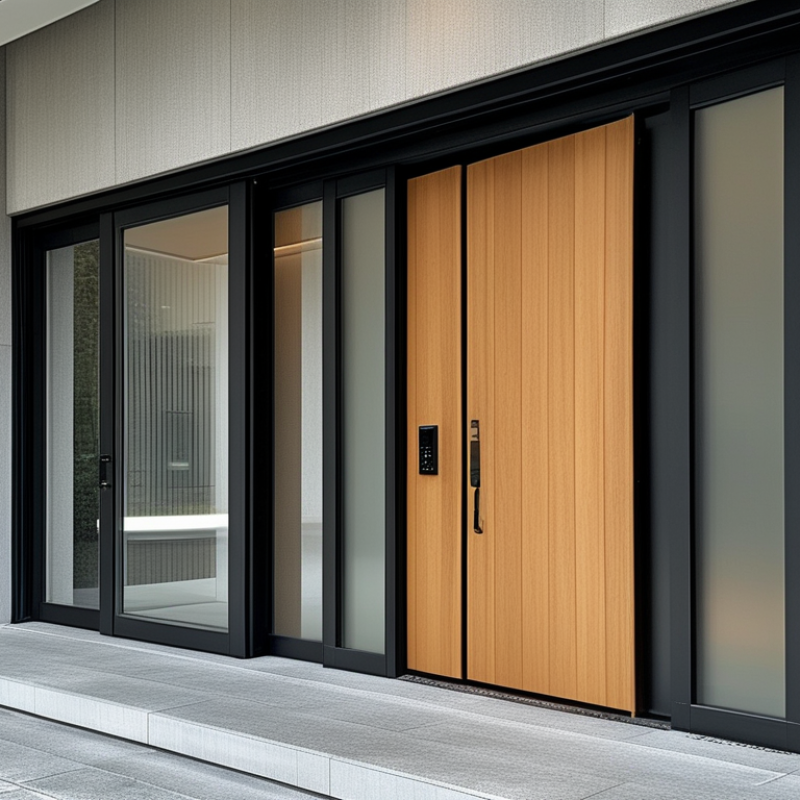
2026 Best Types of Contemporary Front Doors

What Defines a Contemporary Front Door in 2026

In 2026, a contemporary front door is defined less by decoration than by disciplined performance. Clean planes, broad glazing, and restrained hardware remain popular. Yet appearance is only one part of the design. A well-designed door should reduce drafts, resist heavy rain, and support comfortable daily access. Low-threshold detailing can help children, older residents, and people carrying groceries.

Material choices also reveal current priorities. Thermally stable timber, recycled metal, textured glass, and durable composite surfaces can create warmth without excessive ornament. The finish should withstand sunlight, fingerprints, and seasonal moisture. Matte surfaces often look calm, but they still require practical cleaning. Small details matter. A soft-close hinge, accurately sealed frame, and clear sightline can improve the entrance more than an expensive surface.

Security is becoming quieter and more integrated. Multi-point locking, reinforced hinges, controlled access, and discreet lighting should work together without making the doorway feel defensive. Smart entry features may add convenience, but they need reliable manual access during power or network failures. This is where contemporary design can become too confident. I have seen striking doors with poor drainage and awkward handles. The lesson is uncomfortable: innovation does not replace careful installation. Local weather, accessibility rules, fire requirements, and the building’s proportions should guide the final choice. A beautiful door can still be the wrong door.

Key Contemporary Front Door Styles and Design Features

Contemporary front doors in 2026 favor clean geometry, practical materials, and carefully controlled natural light. A flush-panel door creates a calm, architectural entrance with minimal visual noise. Warm timber tones soften concrete walls, while charcoal or deep bronze finishes create a sharper urban effect. I have found that texture matters more than decoration. A fine-grain surface can make a simple door feel carefully crafted.

Glass is another defining feature of contemporary design. Narrow vertical glazing brings daylight into a dark hallway without exposing the entire interior. Frosted or reeded glass improves privacy while preserving brightness. Pivot doors offer a dramatic, oversized appearance, but they need accurate installation and enough clearance. Slim sidelights can widen the entrance, although poor proportions may make the facade look unbalanced. That detail is easy to miss.

Tips: Check the door’s swing before choosing furniture or lighting. Use durable seals for windy or wet locations. Test samples outside, because sunlight can change color noticeably. Do not select hardware by appearance alone; grip comfort and corrosion resistance matter. A smart locking system may add convenience, but it still needs reliable manual access. I sometimes prefer a less fashionable design after reviewing maintenance needs. A beautiful entrance should remain useful after the first season.

Materials, Finishes, Glass, and Hardware Options

2026 Best Types of Contemporary Front Doors
Materials, Finishes, Glass, and Hardware Options

Contemporary front doors in 2026 are less about decoration and more about controlled detail. Material, finish, glass, and hardware should work together at the entry. Fiberglass offers stable performance through changing temperatures and needs limited upkeep. Solid wood brings natural warmth, visible grain, and a stronger architectural presence. Aluminum suits slim profiles, while steel provides a firm, substantial feel. Each option has weaknesses. Wood can move with moisture, and dark finishes may show dust quickly.

Glass changes both appearance and daily comfort. Frosted or textured panels provide daylight without exposing the hallway fully. Low-emissivity glazing can improve indoor temperature control, but the frame and installation matter just as much. I have seen beautiful doors feel cold because the surrounding threshold was poorly sealed. That detail is easy to overlook. Hardware should feel solid in the hand. Long pull handles suit wide doors, while compact levers create a quieter look. Matte finishes hide fingerprints better than polished surfaces, though they still need regular cleaning.

Tips: Request real finish samples. View them outdoors. Check the door at morning and evening. Test the handle before ordering, and confirm the glass privacy level from the street. A designer’s drawing cannot reveal every daily inconvenience. I still prefer practical testing, even when it slows the decision. Consider drainage, weather exposure, hinge strength, and the door’s opening clearance. A refined entrance should look calm, operate smoothly, and remain dependable after repeated use.

2026 Best Types of Contemporary Front Doors – Materials, Finishes, Glass, and Hardware Options

Comparison of commonly used contemporary front-door configurations for residential applications.
Door Type Primary Material Typical Contemporary Finish Glass Options Hardware Options Main Advantages Important Considerations Maintenance Level
Flush Panel Door Fiberglass, engineered timber, or insulated steel Matte paint, smooth laminate, or wood-grain texture Usually no glass; narrow vertical lite can be added Minimalist lever, pull handle, concealed hinges, smart lock Clean geometric appearance, good privacy, and efficient use of wall space Flat surfaces show fingerprints and marks; steel versions may dent if heavily impacted Low
Pivot Door Engineered timber, aluminum, steel, or fiberglass Natural wood veneer, powder-coated metal, or textured laminate Full-height side lite, slim vision panel, or no glass Long vertical pull, concealed pivot set, magnetic latch Wide opening, strong architectural presence, and flexible oversized designs Requires accurate structural support and clearance; hardware installation is more specialized Low–Medium
Glazed Entry Door Aluminum, fiberglass, timber, or steel frame Powder coating, painted finish, stained timber, or anodized metal Clear, frosted, acid-etched, tinted, laminated, or low-emissivity insulated glass Lever handle, pull handle, multipoint lock, or electronic access system Introduces daylight and can make a narrow entry feel larger Glass area affects privacy, solar heat, and security; laminated or insulated units are preferable Medium
Aluminum Frame Door Thermally broken aluminum with insulated core or panel Powder-coated matte color, anodized finish, or wood-look coating Double- or triple-glazed insulated glass; clear or privacy glass Stainless-steel pull, multipoint lock, electric strike, or keypad Lightweight, corrosion-resistant, dimensionally stable, and well suited to slim profiles Non-thermally broken frames can conduct heat; surface repairs may be difficult to blend Low
Fiberglass Door Insulated fiberglass-reinforced composite Smooth paint, factory color, or molded wood-grain stain finish Decorative insulated lite, narrow sidelite, or full-height glass insert Lever set, deadbolt, multipoint lock, or smart entry hardware Resists moisture, warping, and many everyday impacts while offering good insulation Deep cuts can be difficult to repair; some wood-look finishes require periodic refinishing Low
Solid Timber Door Engineered hardwood or laminated solid timber Clear protective coating, opaque paint, or exterior wood stain Optional insulated glass panel, narrow lite, or matching sidelite Bronze, brass, black, or stainless-steel lever and pull hardware Natural texture, repairability, acoustic mass, and a warm tactile appearance Needs stable construction and weather protection; moisture can cause movement or swelling Medium–High
Steel Door Galvanized or coated steel with an insulated core Powder coat, baked enamel, or smooth exterior paint Small insulated lite or narrow glazed panel Heavy-duty lever, deadbolt, multipoint lock, or reinforced pull handle Strong, stable, and typically effective for security and thermal performance when insulated Scratches exposing bare metal should be repaired promptly to reduce corrosion risk Low–Medium
Double Entry Door Timber, fiberglass, steel, or aluminum Matching monochrome finish, contrasting center seam, or wood-look surface One or both leaves may include clear, textured, or frosted insulated glass Flush bolts, multipoint lock, central pull handles, and coordinated deadbolts Creates a generous opening and supports large-scale contemporary façades Needs precise alignment, adequate weather sealing, and sufficient entry clearance Medium
Sidelite Door System Aluminum, fiberglass, steel, or timber door with matching frame Coordinated painted, stained, powder-coated, or wood-look finish Clear, frosted, reeded, obscure, or laminated sidelites Long pull, lever set, multipoint lock, and low-profile threshold Improves daylight and visual width without requiring a double door Glass and frame proportions must be balanced; privacy treatment may be needed Medium
Minimalist Frameless-Look Door Oversized engineered timber, aluminum, or composite panel Ultra-matte paint, flush veneer, micro-textured coating, or dark metallic finish Usually none; a concealed narrow lite may be integrated Full-length pull, concealed closer, magnetic latch, and hidden hinges Produces a seamless façade with few visible joints and strong contemporary appeal Requires highly accurate installation; concealed hardware can be more expensive to service Medium

How to Choose a Contemporary Front Door for Your Home

Choosing a contemporary front door starts with your home’s exposure, not a showroom photograph. Measure the opening, wall thickness, threshold, and swing clearance before comparing designs. A flush slab creates a calm, architectural look, while narrow glass panels bring daylight into a dark entry. I have seen attractive doors fail because their proportions ignored nearby windows. Scale matters more than fashion.

For windy or rainy locations, choose an insulated slab, a durable weather seal, and a properly raised threshold. Thermally broken metal frames can reduce heat transfer in demanding climates. Wood offers warmth, but it needs regular finish inspections, especially near direct sunlight.

Clear, frosted, or textured glazing affects privacy differently. Laminated glass can improve safety and reduce outside noise. Check local energy and fire requirements with a qualified installer.

The door should also suit daily routines. A wide opening helps with furniture, bicycles, and mobility needs. Lever hardware is often easier to operate than a round knob. Ask how the lock, hinges, drainage, and frame will be serviced later. Installation quality can matter as much as the door itself. My own mistake was choosing a dramatic pivot design without considering its floor clearance. It looked refined, but cleaning around it became inconvenient. Leave room for practical regrets.

Installation, Security, Energy Efficiency, and Maintenance Considerations

Choosing the best contemporary front door in 2026 starts with the building, not appearance. Insulated fiberglass suits many homes because it resists moisture and temperature changes. Steel provides strong impact resistance but may need careful rust prevention. Aluminum and glass create a clean, modern look, though thermal breaks are essential. Wood composite doors offer warmth with less movement than solid wood.

Installation affects performance more than many buyers expect. The frame must sit square, with continuous flashing and a properly sealed threshold. A small gap can admit wind-driven rain and reduce energy efficiency. Ask the installer about the door’s U-value, air leakage rating, and local code requirements. These details matter in both cold winters and hot summers.

Security needs several layers. Use a reinforced frame, long screws, a quality deadbolt, and laminated glass near the lock. Multi-point locking can improve resistance, but only when installed and adjusted correctly. Smart access may add convenience, yet it needs strong account protection and a reliable manual backup. Inspect weatherstripping each season, tighten loose hardware, and clear drainage channels. I have seen attractive doors fail because maintenance was ignored. No checklist catches everything. A yearly inspection can reveal swelling, failed seals, or misalignment before they become expensive repairs.

Go to Top