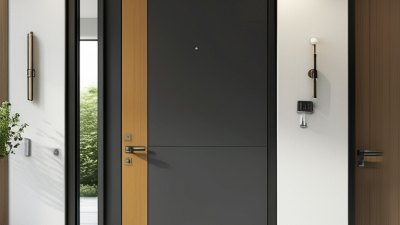
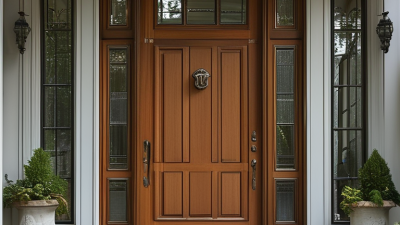
10 Best Entry Doors for Homes Worldwide?

Choosing among the 10 best entry doors for homes worldwide requires more than comparing colors, prices, and photographs. A front door faces weather, security demands, daily traffic, and changing energy standards. It must swing smoothly in a humid coastal home, resist cracking in a dry climate, and seal tightly during winter storms.

Industry research shows why this choice matters. Grand View Research valued the global doors market at approximately USD 140 billion in 2023, with continued growth expected through 2030. The report identifies residential construction, renovation, energy efficiency, and design upgrades as important market drivers. Meanwhile, the U.S. Department of Energy explains that air leakage can significantly increase household heating and cooling costs. A poorly fitted door may look impressive but still create a cold draft beneath the threshold.

Building-science expert Dr. Joseph Lstiburek offers a useful reminder: “Windows are holes in walls.” The same principle applies to entry doors. They interrupt the building envelope, so installation quality matters as much as the slab itself. Look for tested air leakage, water penetration, structural performance, and thermal values. NFRC labeling can help shoppers compare certified energy performance.

No single door suits every home. Not perfectly. A solid timber door may provide warmth and character, yet demand regular maintenance. Fiberglass can imitate wood with less upkeep, while steel often delivers strong security at a lower cost. This guide compares materials, climates, insulation, hardware, accessibility, and long-term value. Some rankings remain subjective, but the selection criteria should stay measurable, transparent, and practical.
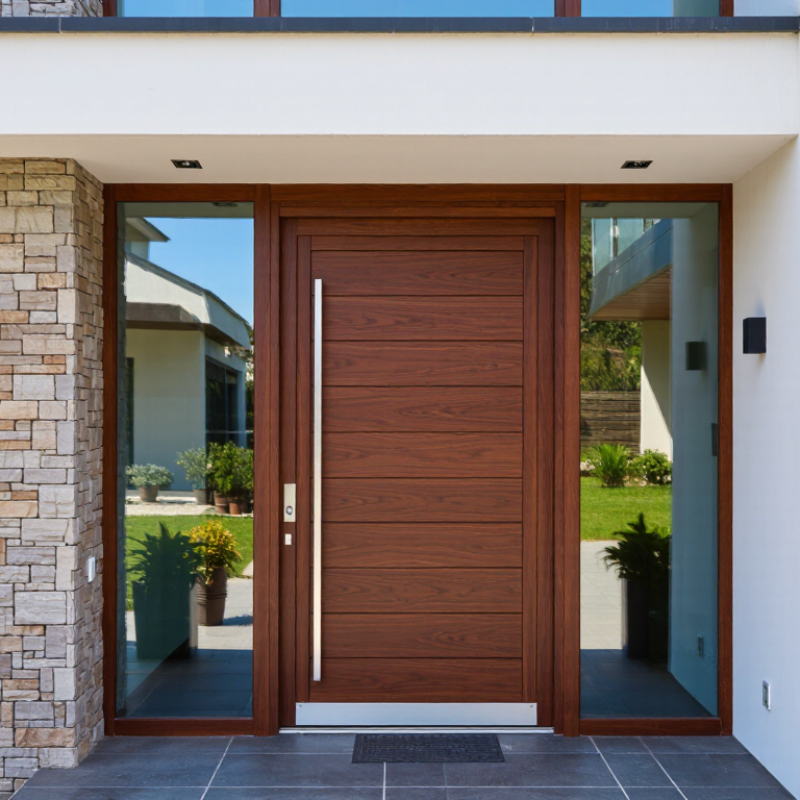
10 Best Entry Doors for Homes Worldwide?

What Makes an Entry Door a Good Choice for Homes Worldwide

A good entry door should fit the home, the climate, and the people using it every day. In my experience, weather resistance matters more than a dramatic appearance. A tightly sealed door can reduce drafts, dust, and rain entering the hallway. In hot regions, a shaded, insulated design may help control indoor temperatures. In colder areas, a low-conductivity core and quality weatherstripping are valuable.

Security also depends on the complete door system. Strong hinges, a reinforced frame, and a reliable locking mechanism should work together. Glass panels need careful consideration, especially near the handle. Good lighting outside improves visibility without making the entrance uncomfortable. Accessibility matters too. A wide opening, a low threshold, and an easy-to-operate handle can help children, older adults, and wheelchair users. Local building rules and emergency exit requirements should always guide the final decision. They differ worldwide.

Tips: Touch the sample before buying. Check whether the surface feels solid and the seals close evenly. Ask for tested water, air, and thermal performance. Measure the opening twice. I have seen attractive doors fail because installation was rushed. That mistake is easy to underestimate. Maintenance should also be realistic. A finish that needs frequent care may not suit a busy household. Sometimes the best door is less fashionable, but more dependable.

Ten Leading Entry Door Types and Their Key Features

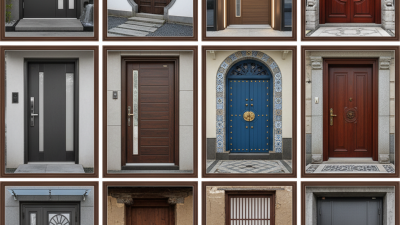
Choosing among ten leading entry door types requires more than appearance. Fiberglass doors resist moisture, dents, and temperature changes. Steel doors offer strong security and usually cost less. Solid wood doors bring warmth, but they need regular sealing. Engineered wood reduces warping. Aluminum doors are light and corrosion-resistant. uPVC doors provide low maintenance and useful insulation. Glass-panel doors increase daylight, although privacy may suffer. Pivot doors create a dramatic entrance and need accurate installation. Double doors suit wide foyers but require careful weather sealing. Storm doors add another protective layer in harsh climates.

Energy performance deserves attention. The U.S. Energy Information Administration’s 2020 Residential Energy Consumption Survey reports that space heating and cooling represent about half of household energy use. A poorly sealed entrance can undermine efficient equipment. The U.S. Department of Energy recommends inspecting weatherstripping and thresholds for air leakage. NFRC labels also help compare U-factor and solar heat gain. Lower U-factor usually means better insulation. That sounds simple, but installation errors still matter.

Tips: Measure the rough opening, not only the existing slab. Check the local climate before choosing glass. Use laminated glazing where impact resistance matters. Ask for an independent energy label. Test the latch after installation. It should close without force. I have seen attractive doors fail because the sill drained water toward the hallway. That detail is easy to miss. Door selection should balance durability, insulation, maintenance, daylight, and repair access—not just a showroom finish.

How Entry Doors Compare by Material, Security, and Climate

10 Best Entry Doors for Homes Worldwide?

How Entry Doors Compare by Material, Security, and Climate

The best entry door depends on weather, daily use, and the home’s security needs. In humid coastal areas, fiberglass resists swelling and salt-heavy air better than untreated timber. Timber offers warmth and repairability, but it needs regular sealing. Steel provides strong impact resistance, although scratches can expose metal to rust. Aluminum is lightweight and suits modern homes, yet poor thermal breaks may increase indoor heat gain.

In cold climates, choose a door with a low heat-transfer rating, insulated core, and tight weather seals. In hot regions, a shaded entrance and reflective finish can reduce heat around the doorway. Security also depends on the frame, hinges, deadbolt, and glass, not only the door slab. During site inspections, I have seen expensive doors fail because installers left gaps near the threshold. That detail is easy to miss.

Tips: Test the lock with the door closed. Check daylight around every edge. Select laminated or reinforced glass near the handle. Ask for documented water, air, and impact tests. Maintenance matters, but people often underestimate it. Inspect seals twice a year, especially after storms. No material is perfect; climate, installation quality, and honest upkeep decide long-term performance.

10 Best Entry Door Types for Homes Worldwide

How entry doors compare by material, security, thermal performance, and climate durability

Ratings use a 1–5 comparative index based on typical material characteristics. Higher scores indicate stronger performance. Actual results vary with door thickness, core construction, glazing, seals, installation quality, maintenance, and local climate.

Choosing the Right Entry Door for Different Home Styles

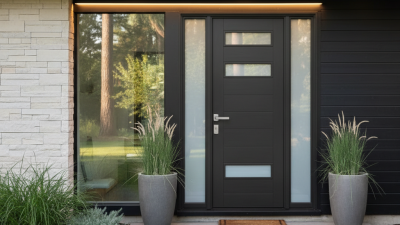
Choosing the right entry door starts with the home’s architectural language, not a popularity list. A solid timber door suits Craftsman, Colonial, and traditional villas, especially with raised panels or visible grain. Steel works well on restrained modern façades, where sharp edges and narrow glazing feel intentional. Fiberglass can imitate wood for cottages and farmhouses, while resisting moisture in coastal or tropical climates. Mediterranean homes often benefit from arched profiles, deep colors, and textured hardware. For compact urban homes, a flush door with vertical glass can add height without visual clutter.

Climate must guide the decision. The U.S. Department of Energy’s Energy Saver guidance reports that air leakage may represent 5–30% of a home’s heating and cooling energy use. Therefore, inspect the door sweep, frame, threshold, and weatherstripping, not just the slab. NFRC ratings also help compare U-factor, solar heat gain, and air leakage performance. In hot regions, shaded glazing and a lower solar heat gain coefficient matter. Cold regions usually need insulated cores and tight seals. Tropical homes may need ventilation, but exposed louvers can admit rain and insects. A mistake there is easy.

A pivot door can suit a dramatic contemporary entrance, yet its oversized hardware needs careful alignment. Double doors create ceremony but demand more weather sealing. I would not choose glass-heavy designs for every façade. Privacy, wind exposure, and maintenance often matter more than photographs suggest. The best entry door supports the home’s style quietly, while surviving the local weather every day.

10 Best Entry Doors for Homes Worldwide? - Choosing the Right Entry Door for Different Home Styles

No. Entry Door Type Best-Matched Home Styles Typical Material Options Climate Suitability Security Potential Energy Performance Maintenance Level Main Advantages Key Considerations
1 Insulated Fiberglass Door Contemporary, suburban, transitional Fiberglass skin with insulated core Suitable for humid, cold, and sunny regions High when paired with a reinforced frame and quality lockset Very good; insulated cores reduce heat transfer Low Resists moisture, warping, dents, and many forms of weathering Surface finishes can fade or become damaged if poorly maintained
2 Insulated Steel Door Modern, industrial, practical family homes Galvanized or coated steel with insulated core Good in cold and windy areas; protect exposed surfaces from corrosion Very high with a strong frame and multi-point hardware Very good when properly sealed and insulated Low to moderate Strong, stable, widely available, and often cost-effective Scratches or exposed edges may lead to rust in damp environments
3 Solid Hardwood Door Craftsman, traditional, colonial, rustic Engineered or solid hardwood construction Best in moderate climates or protected entrances High when thick, well-fitted, and securely locked Good; performance depends on thickness, seals, and glazing Moderate to high Natural appearance, repairability, and strong design flexibility Requires sealing and seasonal inspection to limit swelling or shrinking
4 Engineered Wood Door Traditional, Scandinavian, contemporary Layered wood products with veneer or durable face layers Better dimensional stability than many solid-wood designs High with suitable core, frame, and hardware Good to very good, depending on core and weather seals Moderate Offers a wood appearance with improved resistance to movement Edges, joints, and exposed finishes still need protection from water
5 Aluminum-Frame Glass Door Contemporary, minimalist, coastal Thermally improved aluminum frame with insulated glass Good in humid and coastal areas when corrosion-resistant finishes are used High with laminated or impact-rated glazing and secure hardware Good with low-emissivity double glazing and effective weatherstripping Low Slim sightlines, daylight, and strong resistance to moisture Glass may reduce privacy and increase solar heat gain without shading
6 Steel-and-Glass Pivot Door Luxury contemporary, industrial, gallery-style homes Steel frame with safety or laminated glass Suitable for many climates when the frame is properly coated High; security depends on glazing, locks, and pivot design Moderate to good; large glass areas require careful specification Moderate Creates a dramatic entrance and accommodates wide openings Heavy door leaves and pivot systems require accurate installation and adjustment
7 Double French Door European, cottage, farmhouse, classical Wood, fiberglass, or insulated composite frames with glass panels Good in moderate climates; use weather-rated systems in severe exposure Moderate to high with laminated glass and an active-leaf lock system Good when the meeting stile and perimeter seals are well designed Moderate Provides symmetry, daylight, and a wider passage opening More joints and hardware require careful alignment and maintenance
8 Arched Entry Door Mediterranean, Spanish, Tuscan, heritage homes Wood, steel, fiberglass, or composite construction Suitable when custom sealing matches the curved frame High when professionally fitted with reinforced hardware Good, but custom geometry must be sealed accurately Moderate to high Adds architectural character and complements curved openings Usually costs more and may require custom manufacturing
9 Sliding or Telescoping Entry Door Modern, open-plan, space-efficient homes Aluminum, wood-clad, or composite frames with insulated glass Good in suitable weather-rated systems; drainage is important Moderate to high depending on panel locks and track design Good with thermally broken frames and low-emissivity glazing Moderate Saves swing space and can create a broad, accessible opening Tracks must remain clean, level, and free of standing water
10 Decorative Wrought-Iron Door Mediterranean, rustic, traditional, estate homes Coated steel or iron with glass inserts and a solid frame Good in dry or moderate climates; coastal areas need robust coatings High due to strong metal construction and visible hardware options Moderate; thermal performance depends on the insulated core and glazing Moderate Distinctive appearance, strength, and extensive decorative possibilities Metal coatings need inspection, especially where salt or persistent moisture is present

Selection note: Actual performance depends on the complete door assembly, including the slab, frame, threshold, weatherstripping, glazing, locking hardware, installation quality, and local building requirements.

Installation, Maintenance, and Long-Term Door Performance

The best entry door depends on climate, construction quality, and installation accuracy. A strong door can still perform poorly when its frame is twisted. During residential inspections, I have seen new doors leak air because installers rushed the threshold. The opening should be measured at several points, not only across the top. The frame must sit level, square, and firmly supported. Weather seals need even contact around the entire perimeter. Small gaps become obvious during heavy rain or winter winds.

Maintenance begins with simple observations. Check hinges, locks, drainage paths, and seals twice each year. In coastal areas, wipe salt residue from metal components more frequently. Wood surfaces may need earlier recoating when sunlight causes fading or fine cracks. Never ignore a door that rubs against the sill. It may indicate movement in the frame, moisture swelling, or loose hardware. Lubricate suitable moving parts sparingly. Excess oil can collect dust and damage seals.

Long-term performance should be judged by comfort, security, noise control, and stable operation. Measure drafts near the corners on a windy day. Watch for condensation, uneven gaps, or fading around the edges. I once treated a sticking door as a hardware problem, but the real cause was settling in the surrounding wall. That mistake reminded me to inspect the whole opening. Maintenance plans are useful, though real homes rarely follow perfect schedules. Door performance changes with weather, building movement, and daily use.

Go to Top