How to Choose the Best Fiberglass Exterior Doors for Your Home?
Choosing the right fiberglass exterior doors for your home can be challenging. With so many options available, it's essential to understand what best suits your needs. Fiberglass exterior doors offer a blend of durability, aesthetics, and energy efficiency. They are resistant to warping and cracking, making them a practical choice for various climates.
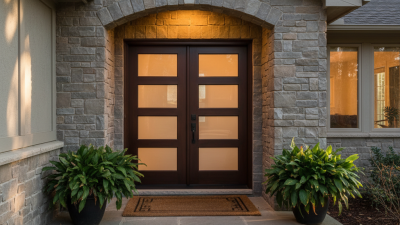
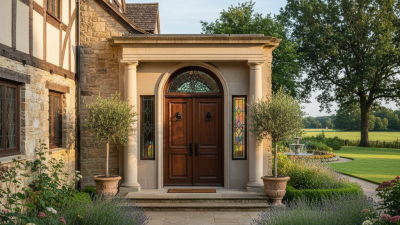
When selecting fiberglass exterior doors, consider your home's architectural style and color palette. These doors come in various designs, from traditional to modern. Look for manufacturers that provide detailed information about their products. This will ensure you choose reputable brands known for quality and longevity.
It's worthwhile to assess your priorities before making a decision. Do you want enhanced security features or superior insulation? Reflecting on these aspects can lead to a more satisfying investment. Additionally, visiting showrooms can help you experience the texture and look of the doors firsthand. By taking the time to research and explore, you can find the perfect fiberglass exterior doors that not only enhance your home's curb appeal but also offer long-lasting functionality.
Understanding the Benefits of Fiberglass Exterior Doors
Fiberglass exterior doors offer numerous advantages that make them an attractive choice for homeowners. Research shows that fiberglass doors can be ten times more energy-efficient than traditional wood doors. They have excellent insulation properties, which contribute to lower energy bills and enhance comfort. The resistance to warping or rotting, common with wood, ensures that these doors maintain their aesthetic appeal over time.
The durability of fiberglass is noteworthy. According to industry analysis, fiberglass doors withstand harsher weather conditions than most materials. They are more resistant to dents and scratches, making them a practical option, especially for families with pets. However, some homeowners might overlook that improper installation can lead to performance issues. Ensuring professional installation is key.
Aesthetically, fiberglass doors come in various styles and finishes. They can mimic the look of real wood, providing flexibility for different design preferences. However, it's essential to choose a reputable manufacturer, as the quality can significantly vary. A door that lacks the finesse in finish may leave a lasting impression that’s less desirable. The right fiberglass door can elevate your home while providing significant long-term benefits.
Understanding the Benefits of Fiberglass Exterior Doors
Factors to Consider When Choosing Fiberglass Door Styles
Choosing the right fiberglass exterior doors for your home involves specific considerations. First, think about your home’s architectural style. The design of the door should complement existing features. A sleek modern door may not suit a traditional bungalow, while an ornate door might overwhelm a minimalist house. Consider how the door fits within your home’s overall look.
Next, focus on the door’s functionality. Are you seeking energy efficiency or enhanced security? Some fiberglass doors offer superior insulation. They keep your home warm in winter and cool in summer. Others may have advanced locking mechanisms for better protection. Always check the door’s rating for durability and security features.
Don’t overlook color and finish options. Fiberglass doors can mimic wood grain or be painted in various hues. This versatility allows for personal expression. However, darker colors may fade over time. Consider how the door will age in your specific climate. Reflect on these factors to ensure a wise investment for your home’s entrance.
Evaluating Energy Efficiency Ratings for Fiberglass Doors
Energy efficiency is a key factor when selecting fiberglass exterior doors. These doors can significantly reduce energy consumption in a home. A report by the U.S. Department of Energy indicates that fiberglass doors can achieve up to an R-value of 5.0. This means they offer excellent insulating properties, helping to maintain indoor temperatures.
When evaluating energy efficiency ratings, focus on factors like U-factor and Solar Heat Gain Coefficient (SHGC). The U-factor measures heat transfer. Lower values indicate better insulation. An ideal U-factor for exterior doors is below 0.30. SHGC indicates how much solar heat is transmitted through the door. A lower SHGC is preferable in warmer climates, where less heat is gained.
Tips: Always verify energy performance labels. Look for doors with ENERGY STAR certification. Proper installation also plays a crucial role in maximizing efficiency. Even the best door can underperform if not installed correctly. Consider hiring a professional to ensure an airtight seal. Remember, energy efficiency not only saves money but enhances comfort.
Comparing Cost and Durability of Different Fiberglass Options
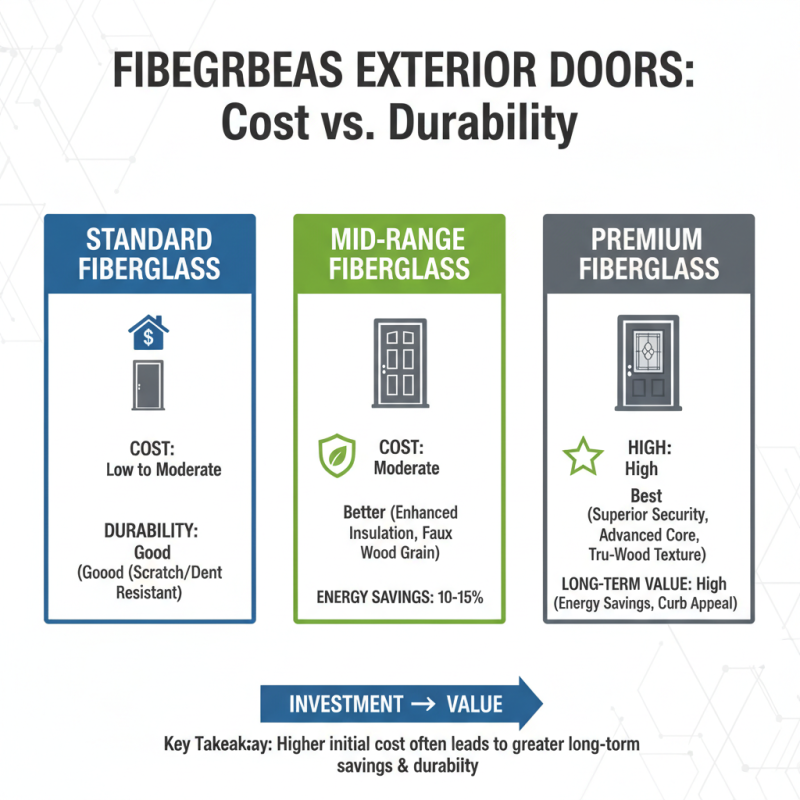
When selecting fiberglass exterior doors, understanding cost and durability is essential. Fiberglass doors vary greatly in price, depending on design and structure. High-end models may offer better insulation and aesthetics but often come at a steep price. The investment can pay off through energy savings and curb appeal.
Durability plays a crucial role as well. Fiberglass is resistant to warping, cracking, and fading. This material can withstand extreme weather. However, not all fiberglass doors are created equal. Some may wear faster, depending on how well they are maintained. Proper care can enhance their lifespan, but some homeowners neglect this aspect.
It's important to compare the specifications of different options. Energy efficiency ratings and warranty details can provide insight into long-term value. Look for doors with solid construction to avoid future repair costs. Balancing cost with these elements is critical. A cheaper door might seem attractive but could lead to higher expenses down the line.
Installation Tips for Your New Fiberglass Exterior Door
Installing a new fiberglass exterior door can significantly enhance your home's curb appeal and energy efficiency. According to the Department of Energy, fiberglass doors can provide better insulation than traditional wood doors, reducing energy costs by up to 20%. When considering your installation process, proper preparation is essential.
Start by measuring the door frame accurately. An incorrect measurement can lead to gaps that compromise energy efficiency. Use shims to ensure that the door is level during installation. This prevents future warping and enhances the door’s seal. Choose high-quality weather stripping. This step is often overlooked, but studies show that proper sealing could save homeowners approximately 10-15% on heating and cooling costs annually.
Remember to allow the door to acclimate to the ambient temperature before installation. This can prevent expansion and contraction issues later on. If you're installing your door on your own, be prepared for some trial and error. Misalignment during installation is common, even for seasoned DIYers. Don't hesitate to consult a professional if needed. Making these adjustments can lead to a more effective and reliable installation, ultimately benefiting your home in the long run.
How to Choose the Best Fiberglass Exterior Doors for Your Home? - Installation Tips for Your New Fiberglass Exterior Door
| Feature |
Description |
Importance |
| Energy Efficiency |
Look for doors with high insulation values to reduce energy costs. |
High |
| Durability |
Choose fiberglass doors for their durability against weather and wear. |
High |
| Style and Design |
Available in various styles to match your home’s architecture. |
Medium |
| Security Features |
Opt for doors with multi-point locking systems for enhanced security. |
High |
| Maintenance |
Low maintenance requirements as fiberglass doesn’t warp or rot. |
Medium |