How to Choose the Best Steel Entry Doors for Your Home?
Choosing the right steel entry doors can transform your home’s entrance. These doors are known for their durability and security. However, not all steel entry doors are created equal.
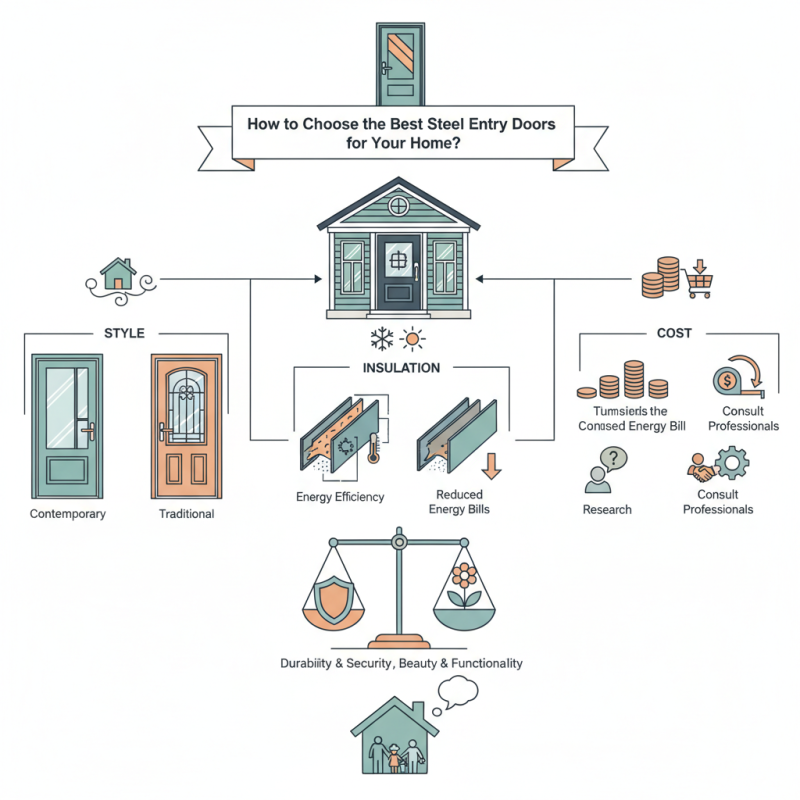
When selecting the best options, consider various aspects such as style, insulation, and cost. Each home is unique, so your choice should reflect personal taste and practicality. For example, a sleek modern design may suit a contemporary home better than a traditional style. Additionally, insulation properties can significantly impact energy bills.
Some doors may look sturdy but compromise on other features. Therefore, it's essential to research and consult with professionals before making a decision. Steel entry doors should offer both beauty and functionality. Reflect on what matters most to you and your lifestyle.
Factors to Consider When Selecting Steel Entry Doors
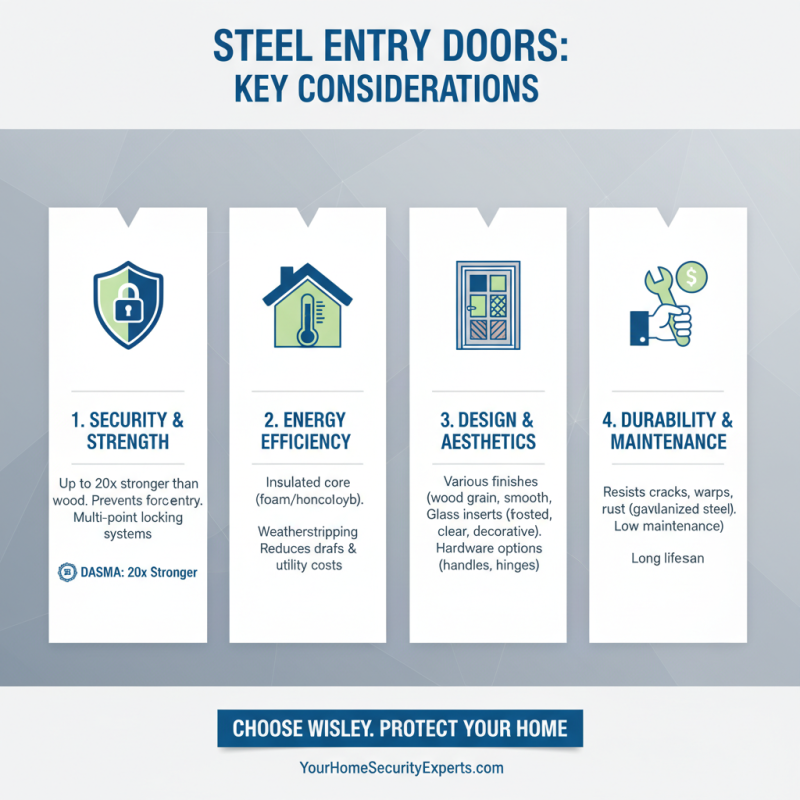
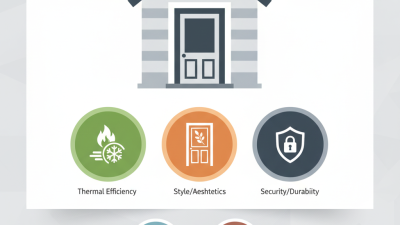
Choosing the right steel entry door for your home involves several important factors. Security is a key consideration. According to the Door and Access Systems Manufacturers Association (DASMA), steel doors provide up to 20 times more strength than traditional wooden doors. This strength helps in preventing break-ins.
Insulation is another critical factor. Steel doors can be filled with insulation, enhancing energy efficiency. Reports suggest that insulated steel doors can reduce energy costs by 10% to 20%. Consequently, you'll benefit from lower utility bills while keeping your home comfortable year-round.
Aesthetic appeal should not be overlooked. Steel doors come in various designs, colors, and finishes. They can complement modern or traditional home styles. However, not all finishes are equal. Some may chip or fade over time, leading to maintenance challenges. It’s essential to research options that offer durability without sacrificing style. Consider your specific needs and preferences carefully before making a decision.
Comparing Different Styles and Designs of Steel Entry Doors
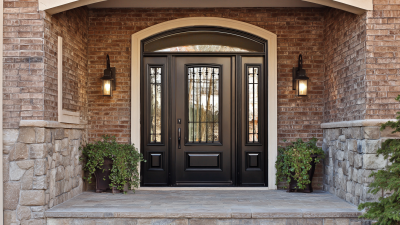
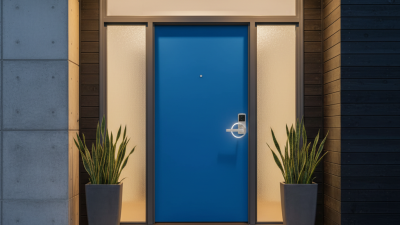
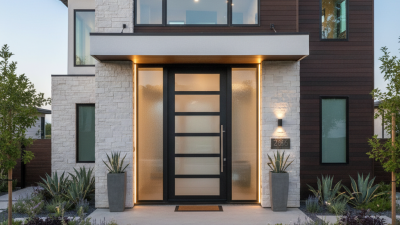
When choosing steel entry doors, styles and designs play a crucial role. Look for options that match your home’s architecture. Modern homes often favor sleek, minimalist designs. Traditional homes might benefit from ornate details and decorative glass. The choice of color also matters. A bold hue can make a statement, while neutral tones blend seamlessly.
Consider functionality alongside aesthetics. Some designs offer better insulation than others. This can affect your home’s energy efficiency. Glass inserts can enhance natural light. However, they may compromise privacy. If security is a priority, ensure that the door has robust locks and solid construction.
Tips:
Check local weather conditions. This can help you decide on the best insulating features. Research energy-efficient models for added savings. Don’t overlook the importance of professional installation. A poorly installed door can negate many benefits. Take your time to make an informed choice that suits your lifestyle and home.
Assessing Security Features of Steel Entry Doors
When assessing security features of steel entry doors, consider the construction quality. A solid steel door is often thicker than standard wooden options. Look for doors with a minimum thickness of 1.75 inches. This thickness enhances strength and durability against forced entry. Additionally, check the door's core material. A polystyrene or polyurethane core provides better insulation and adds to the overall security of the door.
Locks play a critical role in door security. Opt for high-quality deadbolt locks that resist picking. Multi-point locking systems are even more secure, as they engage multiple points along the door frame. Evaluate the strike plate and reinforcement as well. A robust strike plate can withstand forceful impacts, adding extra protection. Don't overlook the door frame; it should be equally strong and secured.
Lastly, consider window features. If your door includes glass inserts, ensure they are made with tempered or laminated glass. These types prevent easy shattering and enhance overall safety. While aesthetics are important, prioritizing security features is crucial for protecting your home and loved ones. Reflect on your choices, as an overlooked detail could affect your home’s security.
Evaluating Insulation and Energy Efficiency in Steel Doors
When choosing steel entry doors, insulation and energy efficiency are crucial factors. According to the U.S. Department of Energy, up to 30% of residential energy losses occur through doors. A well-insulated steel door can mitigate this heat loss. Look for doors with a high R-value. An R-value of 5 or higher indicates excellent insulation.
Consider the door's core material. Many steel doors feature polyurethane or polystyrene cores. Polyurethane generally offers better insulation than polystyrene. It’s also important to examine the door's weather-stripping. Poorly fitted doors can compromise insulation, leading to increased energy bills.
In colder climates, energy-efficient doors can significantly reduce heating costs. A study by the National Renewable Energy Laboratory shows that upgrading to energy-efficient entry doors can save homeowners hundreds annually. However, be cautious of claims. Not every door labeled as energy-efficient performs well. Independent certifications and energy performance ratings provide more reliable evaluation criteria. Prioritize thorough research to make an informed choice.
Understanding Installation and Maintenance Requirements for Steel Doors
When considering steel entry doors, installation and maintenance are crucial factors. Proper installation ensures security and energy efficiency. A professional technician can handle the complexities. However, homeowners often attempt DIY installation. This can lead to misalignment or improper sealing. Both issues can compromise the door's integrity.
Maintenance for steel doors is generally straightforward. Regular inspections are essential. Look for rust or dents, as these can occur over time. Cleaning with mild soap and water helps. Apply a protective wax to the surface once a year. This can prevent corrosion and maintain appearance. Many overlook this step, leading to more significant issues.
Keeping the door's weather stripping in good shape is vital. Damaged stripping can result in drafts and increased energy costs. Regular checks can save money in the long run.