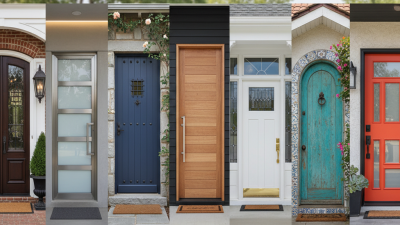
How to Choose the Perfect House Front Doors for Your Home?
Choosing the perfect house front doors is a critical decision for homeowners. According to a recent report by the National Association of Realtors, 62% of buyers consider the exterior of a home before making an offer. The right door adds character and enhances curb appeal. However, many people overlook its importance.
James Thornton, a leading expert in architectural design, emphasizes, “The front door is the heart of your home.” This statement holds true as the entrance sets the tone for what lies beyond. Homeowners often underestimate the selection process, leading to regrets later. For instance, durability, material, and style play crucial roles.
Investing time in choosing house front doors can pay off. Quality doors not only boost aesthetics but also improve security. An ill-suited door might diminish the overall value of your property. Reflecting on how a door fits into the home’s narrative is essential. Ultimately, the right choice creates a welcoming atmosphere for family and friends.
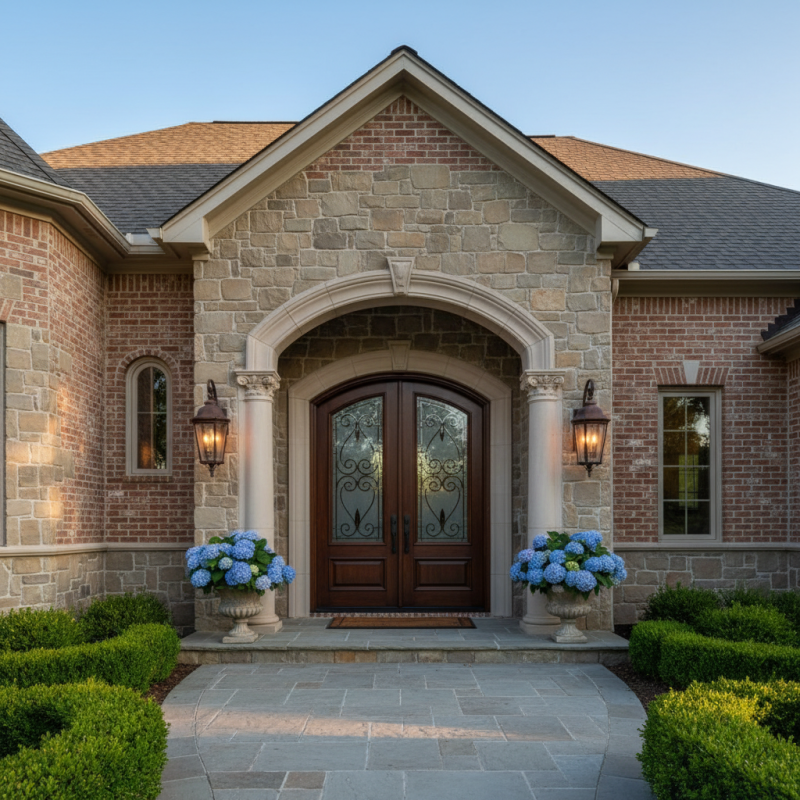
Understanding Your Home's Architectural Style for Door Selection
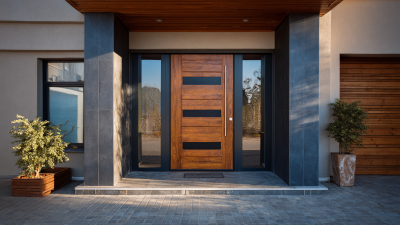
When choosing a front door, consider your home's architectural style. A sleek modern door complements contemporary homes well. In contrast, a rustic wooden door fits traditional or farmhouse styles. Observe the lines, materials, and colors in your home.
Your door can make a bold statement. But it also needs to harmonize with the overall look. A vibrant red door might clash with muted tones.
Sometimes, homeowners overlook proportion. A large door on a tiny house can appear awkward. Pay attention to the scale and symmetry.
Details are important, too. Decorative elements like glass inserts or intricate patterns can enhance the door's appeal. However, too many features may overwhelm simple designs.
Think about the entrance's experience. A welcoming path can amplify the door's charm. Consider how it feels as you approach your home each day. These reflections help establish a fitting choice.
Evaluating Materials and Durability for Front Doors
Choosing the right materials for your front door is crucial. The entrance is the first thing guests see. A door must reflect the style of your home. But it should also be durable and secure. Different materials offer various benefits and challenges.
Wooden doors provide warmth and charm. They can be customized easily. However, they often require maintenance to prevent warping and decay. Steel doors are incredibly strong and offer great security. Yet, they can rust if not properly treated. Fiberglass is another option. It mimics the look of wood but is more resistant to weather. It's a good balance between aesthetics and durability.
Evaluate the climate in your area. Humid conditions might not be ideal for wood. Extreme temperatures can affect insulation properties. Reflect on your lifestyle, too. If you have active kids or pets, a sturdier door may be necessary. Consider how often you'll need to repaint or refinish. Each choice has trade-offs. The perfect door is one that meets your needs while enhancing your home's character.
Choosing the Right Color and Finish for Curb Appeal
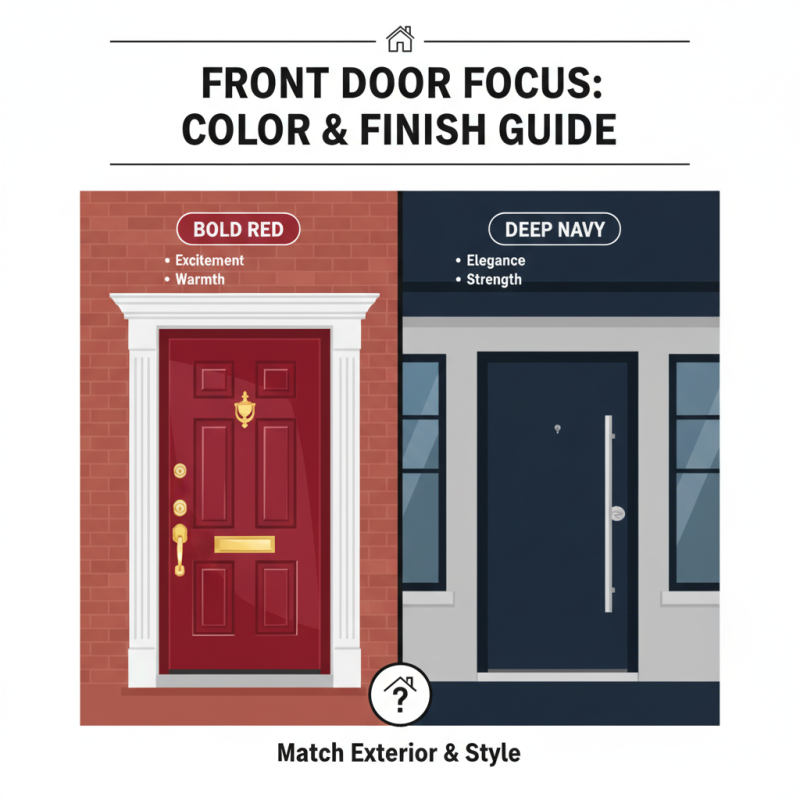
Choosing the right color and finish for your house front door is essential for making a statement. A bold red can create excitement and warmth. Alternatively, a deep navy can convey elegance and strength. Think about how these colors will look with your home's exterior. Consider the architectural style too. Sometimes a mismatch can make your home feel disjointed. Reflecting on this can guide your decision.
The finish of the door matters just as much as color. A glossy finish reflects light and draws attention. Matte finishes can soften the look, offering a more subtle appeal. Picture yourself standing in front of your house—what do you want to feel? Quiet sophistication or vibrant charm? Your choice should evoke this emotion.
Don’t underestimate the impact of accents, like hardware. Often, a simple brass handle can elevate a painted surface. However, remember that less can be more. Too many elements can clutter the visuals. Be mindful during this process; it’s easy to overlook the balance between style and simplicity. Reflecting on these choices can lead to a cohesive and inviting entrance.
Considering Security Features and Locks for Front Doors
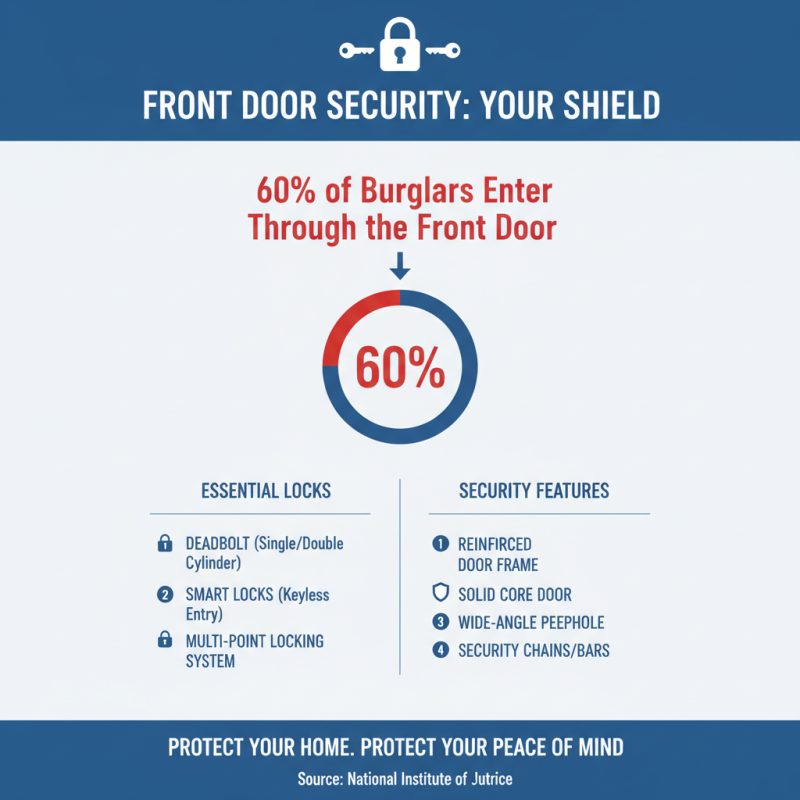
Choosing the right locks and security features for your front door is crucial. A secure door can deter intruders and enhance your home's overall safety. According to a study by the National Institute of Justice, approximately 60% of burglars gain entry through the front door. A solid lock is essential.
Consider multiple locking mechanisms. Deadbolts are popular for their strength. For added protection, combine a deadbolt with a smart lock. These locks can be controlled remotely, allowing you to monitor entry points. A report from the Electronic Security Association states that homes with smart locks experience a 50% reduction in break-ins.
Don't overlook the material of the door itself. A steel door is usually stronger than wood. Look for reinforced frames and solid construction. Also, remember that locks should be rekeyed or replaced regularly. After moving into a new home, securing your entry points should be a priority. The more layered your security, the better your peace of mind will be.
Selecting the Appropriate Size and Configuration for Entryways
When selecting the right size and configuration for your house front door, attention to detail is key. Measure your existing doorway carefully. A door that is too small can look out of place. But one that is too large might overwhelm the entrance. Aim for a size that feels balanced and harmonious with your home’s overall dimensions.
Tips: Consider standard sizes or a custom door. Standard doors are often less costly and easier to install. A custom door allows for unique designs, but it can be more challenging to fit perfectly. Think about how the door will open. Swing doors need clearance space. Sliding or bi-fold doors can be great for tighter areas.
Also, think about the materials. Wood offers warmth but requires maintenance. Steel is sturdy but can dent. Each material brings its own character. Reflect on how these choices will impact your home’s curb appeal. A well-chosen door can enhance your home, while a poor choice may leave you feeling regretful. Balancing and functionality is essential. Experiment with different designs before making a decision.