How to Choose the Perfect Wood Entry Doors for Your Home
Choosing the right wood entry doors can greatly enhance your home's appeal. These doors serve as the first impression. Their style, color, and finish set the tone for what lies beyond. Consider how the wood entry doors will blend with your overall exterior design.
Many types of wood are available. Each type brings its unique character. Oak is sturdy, while cedar provides a warmer feel. Think about the climate too. Some woods perform better in humid conditions. Personal taste also plays a role. Do you prefer a modern look or a rustic vibe?
Reflect on safety features that matter. A beautiful door won't mean much if it lacks security. Additionally, consider the door's energy efficiency. Imperfections in the design can lead to a draft. Picking the right wood entry doors requires balancing aesthetics with practicality. This process can feel overwhelming, but it's worth the effort.
Understanding the Importance of Entry Doors in Home Design
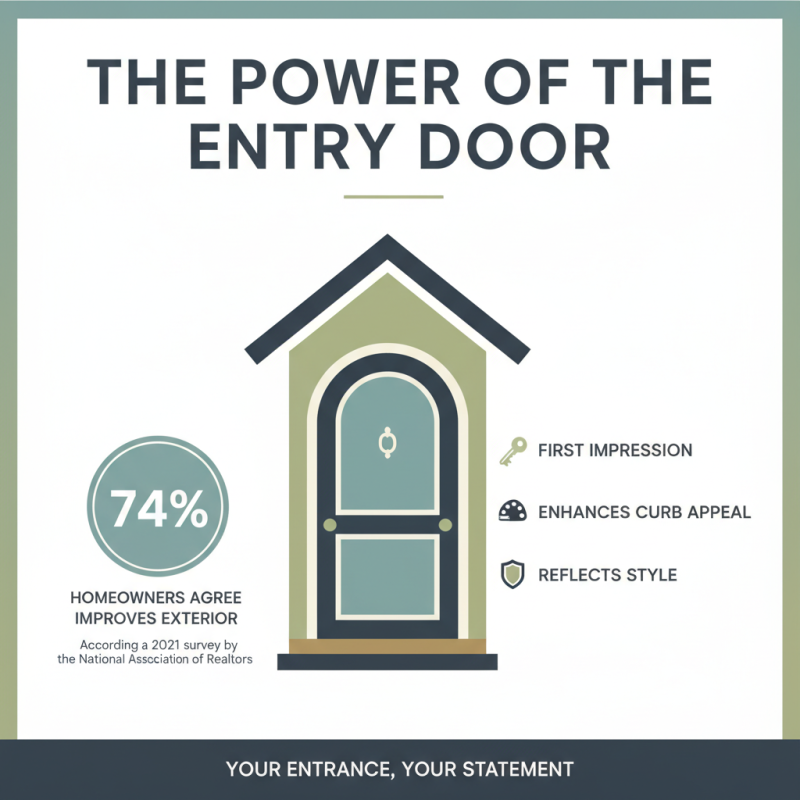
Entry doors play a crucial role in home design. They set the first impression for visitors. A well-chosen door enhances curb appeal and reflects personal style. According to a 2021 survey by the National Association of Realtors, 74% of homeowners believe entry doors improve a home’s exterior appearance. This statistic underscores the importance of selecting the right door.
Many homeowners overlook the practical benefits of wood doors. A study from the Department of Energy reveals that proper insulation can reduce energy costs by 10-20%. Wood doors provide better insulation than other materials, which keeps homes comfortable. However, not all wood doors offer the same quality. Some might warp or swell with humidity, leading to problems.
Design isn’t only about aesthetics. The right door helps prevent security risks. According to the FBI, homes without proper entry doors are 2.5 times more likely to be broken into. This fact should prompt careful consideration. Aesthetics and security must go hand in hand. It’s vital to select doors with solid construction, good locks, and reliable hinges. Balancing beauty and functionality in your choice is essential.
Evaluating Different Types of Wood for Entry Doors
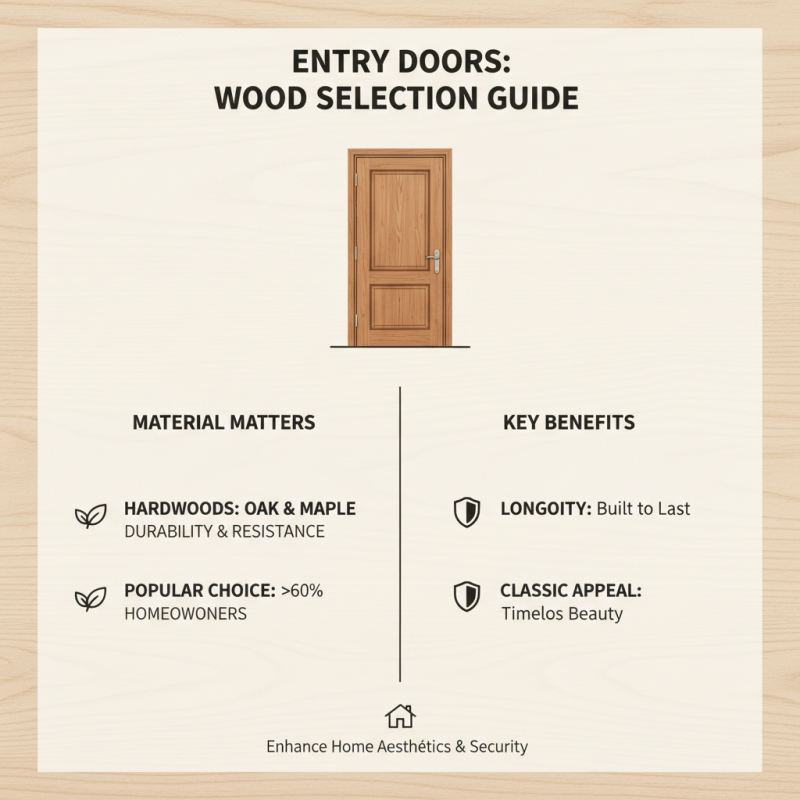
Choosing the right wood for your entry doors significantly impacts your home's aesthetic and security. Hardwoods like oak and maple are popular choices for their durability and resistance to wear. According to industry data, more than 60% of homeowners prefer these materials due to their longevity and classic appeal.
However, not all wood types are created equal. Pine, while less expensive, can warp over time if not properly maintained. This could lead to frustrating issues like drafts and noise. On the other hand, mahogany provides a beautiful finish and superior resistance to moisture, yet it comes with a higher price tag.
Homeowners often overlook the importance of finish and treatment. A well-sealed door can endure harsher climates, especially in areas with extreme temperatures. Unfortunately, many ignore this aspect, leading to quicker deterioration. Understanding the characteristics of different woods can prevent such costly mistakes. Selecting a wood that balances aesthetics, function, and weather resistance is crucial for long-term satisfaction.
Assessing Durability and Maintenance Requirements for Wood Doors
When choosing wood entry doors, durability and maintenance are key factors. Different wood types offer varying levels of strength. For example, hardwoods like oak and mahogany are robust but may require more upkeep. Softwoods, like pine, can be more affordable and lighter, but they might not withstand the elements as well. Think about the weather where you live. Extreme conditions can warp or crack the wood over time.
Maintaining wood doors is not always straightforward. Regularly applying a protective finish can help prevent damage. Sanding and repainting might be needed every few years. This ensures the door looks fresh and resists moisture. However, some homeowners overlook these tasks. This can lead to unexpected issues. Dealing with peeling paint or water stains is frustrating but common.
Consider the long-term implications of your choice. A beautiful wood door can enhance curb appeal, but neglect can detract from it. Assess your willingness to invest time in maintenance. A stunning entry door should be a source of pride, not stress. Take a moment to reflect on your lifestyle. Will you have the time to care for your door properly?
Durability and Maintenance Requirements for Wood Entry Doors
Exploring Design Styles and Aesthetic Choices for Your Entry Door
Choosing the right wood entry door can transform your home’s exterior. Entry doors are often the first impression visitors have of your home. According to the National Association of Realtors, over 95% of home buyers consider curb appeal important. Therefore, a stunning entry door can significantly influence potential buyers.
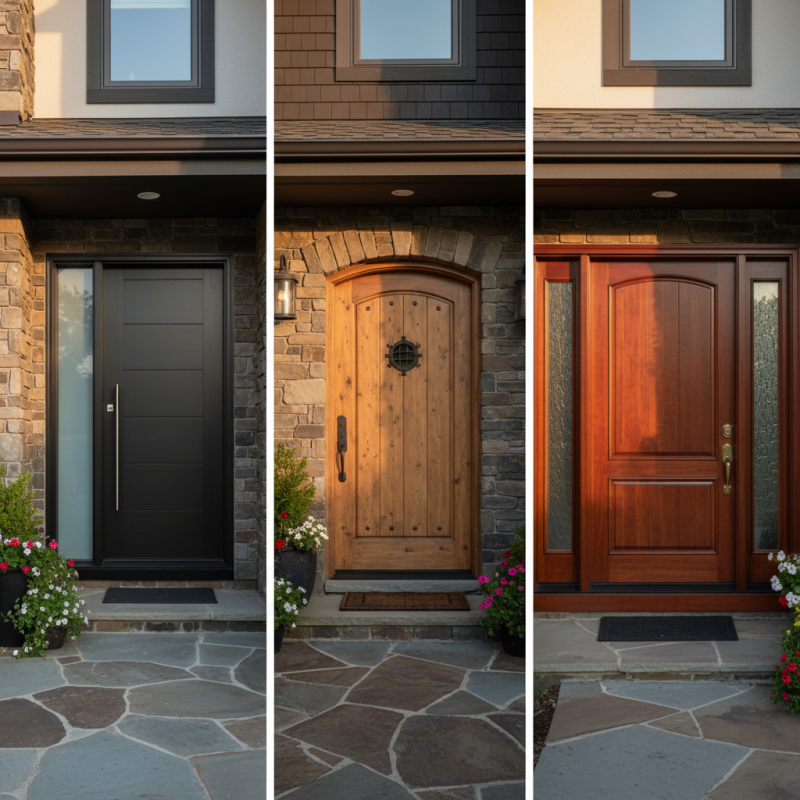
Design styles range from modern to rustic. A sleek, contemporary door may complement a minimalist home. In contrast, a hand-crafted, distressed wood door can enhance a country-style house. Each style conveys a different message about your home's character. The Wood Door Association states that custom options are on the rise. More homeowners desire unique, personalized designs rather than standard features.
Aesthetic choices include colors, finishes, and hardware. Stained wood offers warmth and richness. Painted doors can add a pop of color but may require more maintenance. Buyers should reflect on their local climate too. Humidity levels can affect wood durability. Research shows that 60% of entry doors face issues with weathered finishes over time. Balancing beauty with practicality is crucial for long-lasting appeal.
Considering Security Features and Energy Efficiency in Wood Doors
When choosing wood entry doors, security features and energy efficiency are vital considerations. A report from the National Association of Home Builders highlights that 34% of home break-ins occur through the front door. This underscores the importance of opting for doors with robust locks and reinforced frames. Features such as multi-point locking systems can deter intruders. A well-constructed wood door should be your first line of defense.
Energy efficiency is equally crucial. According to Energy Star, homeowners can save up to 30% on energy bills by selecting doors with high insulating properties. Look for wood doors with an insulating core and weather stripping. This combination can help maintain indoor temperatures and reduce energy consumption. Poor insulation leads to drafts and increased heating or cooling costs. Many homeowners overlook this, leading to unnecessary expenses.
Wood entry doors often require maintenance, adding to the complexity of your choice. While they provide aesthetic appeal and warmth, they can also be susceptible to warping or rot. Regular upkeep is necessary to ensure longevity. Weighing security features against energy efficiency will help in making the right decision, despite potential challenges.