Top Tips for Choosing the Best Entry Doors for Your Home
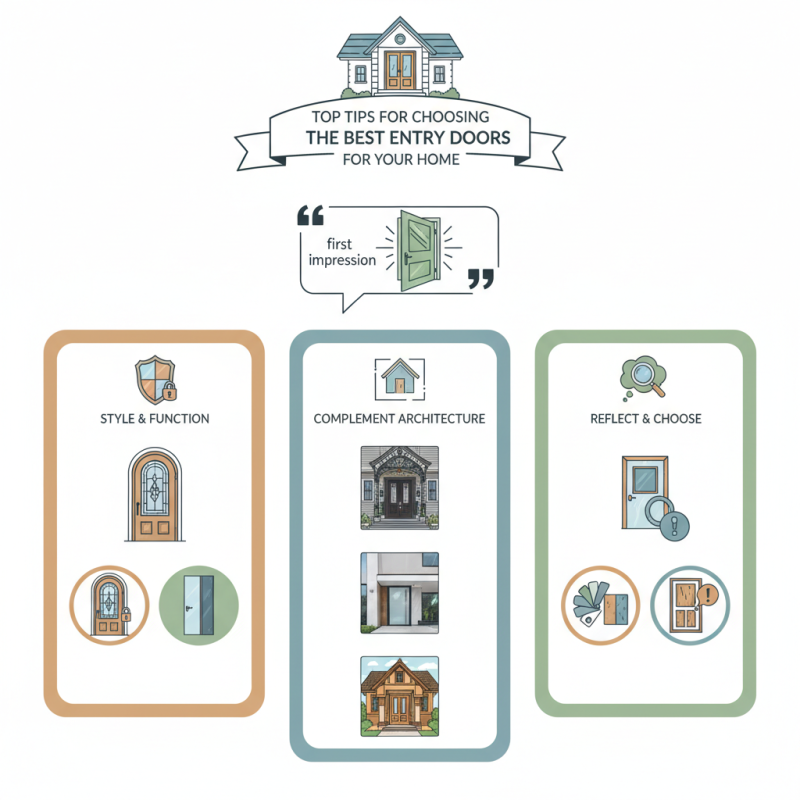
Choosing the right entry doors can significantly enhance your home’s curb appeal. As noted by industry expert James Atkinson, “Your entry doors are the first impression of your home.” This quote underscores the importance of making informed decisions in this area.
When selecting entry doors, consider both style and function. A well-chosen door reflects your personal taste while providing security. There are countless options available, from traditional wooden doors to modern fiberglass models. Each material offers unique advantages and challenges, making it crucial to weigh your choices carefully.
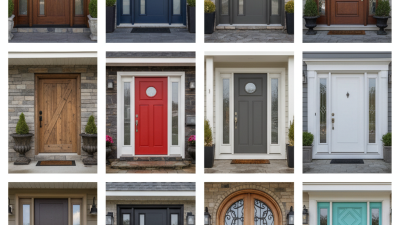
Additionally, entry doors should complement your home’s architecture. A mismatch can detract from the overall aesthetic. It’s essential to take time to explore different designs. Be prepared to face imperfections in your choice, whether it's color or material. Reflect on your needs and the message you want to convey with your entry doors.
Factors to Consider When Selecting Entry Doors
Choosing the right entry door for your home is crucial. A well-selected door can enhance curb appeal while ensuring security. Industry reports suggest that over 70% of homebuyers consider a home’s entry door important. A door often reflects the home's overall style.
Material plays a key role in decision-making. Wood, fiberglass, and steel are common options. According to the National Association of Realtors, fiberglass doors can provide an ROI of about 70%. Steel doors offer security but may require more upkeep, especially in harsh climates. Wooden doors can be beautiful but might need regular painting or sealing. Reflect on your lifestyle when deciding.
Energy efficiency is another factor to consider. The U.S. Department of Energy states that a well-insulated door can save homeowners up to 20% on heating and cooling costs. Examining energy ratings could lead to better long-term savings. Don't overlook the importance of aesthetics. Your entry door should complement your home’s architecture. It’s a balancing act between practical needs and visual appeal. Remember, the right choice may not always be obvious.
Top Tips for Choosing the Best Entry Doors for Your Home - Factors to Consider When Selecting Entry Doors
| Factor |
Description |
Material Options |
Energy Efficiency |
Security Features |
| Style |
The overall design and appearance of the door, which should complement your home's architectural style. |
Wood, Fiberglass, Steel |
Look for doors with a high R-value for better insulation. |
Multi-point locking systems and reinforced frames enhance security. |
| Durability |
Consider how well the door material can withstand weather changes and usage. |
Steel is more durable than wood but may dent. |
Energy-efficient doors can last longer and reduce energy bills. |
Steel doors offer the best durability against forced entry. |
| Maintenance |
How much upkeep the door will require over time. |
Fiberglass requires less maintenance than wood. |
Choose doors that resist moisture and warping. |
Ensure locks are easily replaceable and maintainable. |
| Cost |
Budgeting for both the initial purchase and installation costs. |
Wood is generally more expensive than fiberglass or steel. |
Consider the long-term savings on energy costs. |
Investing in higher-security doors may save costs on insurance. |
Materials Options for Durable and Aesthetic Entry Doors
Choosing the right materials for your entry door is crucial. Different materials offer unique benefits. Wood doors are warm and inviting but require regular maintenance. They can warp or crack due to weather changes. A well-maintained wood door can enhance your home’s aesthetic charm.
Steel doors are another option. They provide durability and security. However, they may rust without proper coating. The striking appearance of a steel door can add a modern touch. Fiberglass doors combine the best of both worlds. They resist dents and offer a variety of styles. They mimic the look of wood without the upkeep.
Consider energy efficiency when selecting your door material. A well-insulated door can reduce energy costs. Look for designs that integrate insulation. Choose colors and finishes that fit your home’s style. Sometimes, a bold color can make a statement. Not all materials will last indefinitely. Weigh the pros and cons of each option carefully.
Energy Efficiency Ratings for Entry Doors
When choosing entry doors, energy efficiency is crucial. Properly insulated doors can significantly reduce heating and cooling costs. According to the U.S. Department of Energy, doors account for about 10% of a home's energy loss. Selecting the right door can help mitigate this. Look for doors with a National Fenestration Rating Council (NFRC) label. This label gives you an idea of the door's energy performance.
Focus on the door’s U-factor. A lower U-factor indicates better insulation. For example, a door with a U-factor of 0.20 is more efficient than one with a U-factor of 0.35. Energy Star certified doors are another excellent option. They meet strict energy efficiency guidelines. In fact, these doors can save homeowners up to 15% on energy bills.
Additionally, consider your local climate. In colder areas, insulated doors are essential. In warmer regions, look for doors that reduce heat gain. Balancing style and efficiency can be challenging. Maybe you love the look of a classic wooden door but are hesitant about its performance. Finding a compromise is important. Remember, energy-efficient doors might require more upfront investment, but they pay off in the long run. Evaluate your choices carefully to ensure durability and effectiveness.
Energy Efficiency Ratings for Entry Doors
Security Features to Look for in Entry Doors
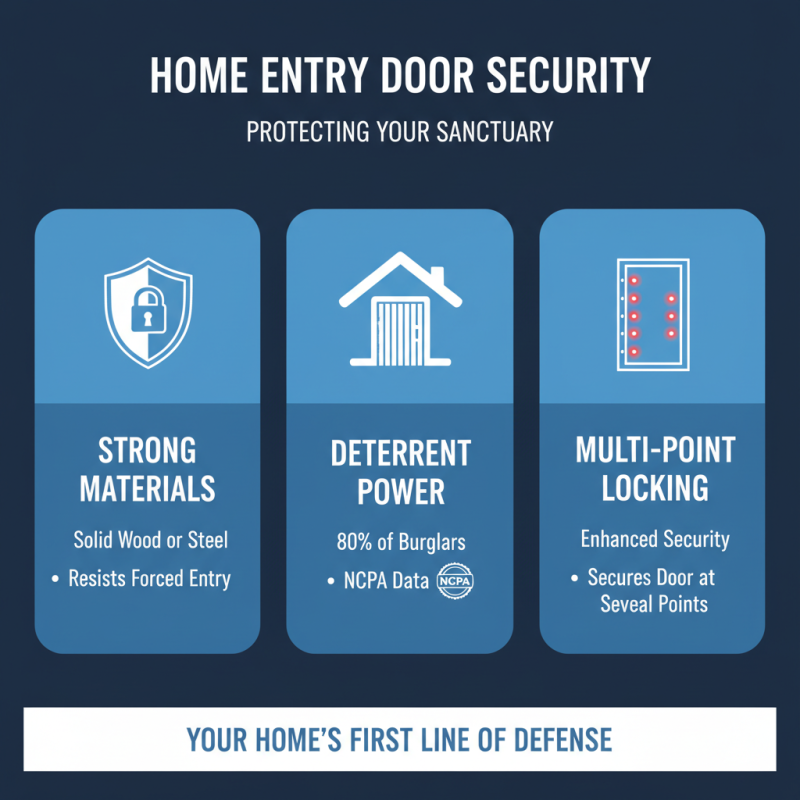
When selecting entry doors, security features are paramount. A strong door made of solid wood or steel offers better resistance against forced entry. According to the National Crime Prevention Association, a sturdy door can deter up to 80% of burglars. Choosing a door with a multi-point locking system is essential. This system locks the door at several points. It can significantly enhance your home’s security.
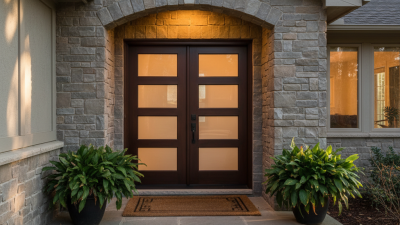
Consider the type of glass used in your door. Tempered glass is more resistant to breaking than regular glass. Research indicates that homes with reinforced glass doors experience fewer break-ins. Additionally, look for features like deadbolts. A double-cylinder deadbolt offers extra protection. However, it's essential to weigh the pros and cons, as they can be problematic during an emergency.
Don't overlook door frames either. A strong frame made of steel or reinforced wood creates a solid barrier. Weak frames can allow intruders to kick the door in easily. Overall, focus on these elements. Reflect on whether your current entry door meets these security standards. Your home's safety depends on your choices.
Design Styles to Complement Your Home’s Architecture
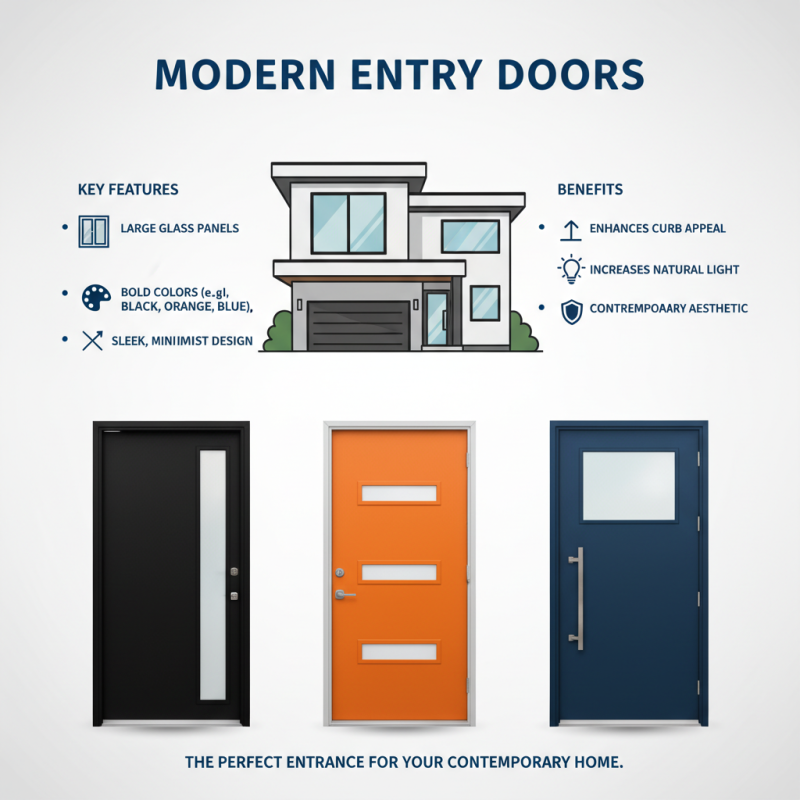
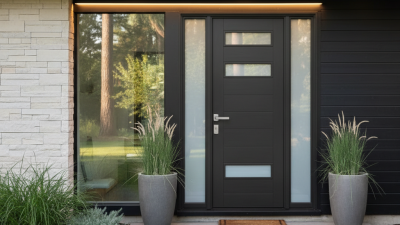
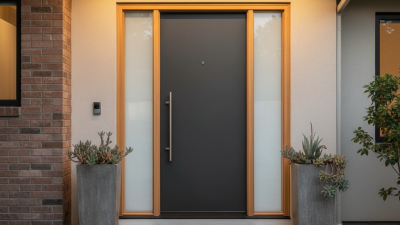
Choosing the right entry door involves understanding your home’s architectural style. A modern home might suit sleek, minimalistic doors. These doors often feature large glass panels or bold colors. They create a striking entrance that enhances the home's contemporary look.
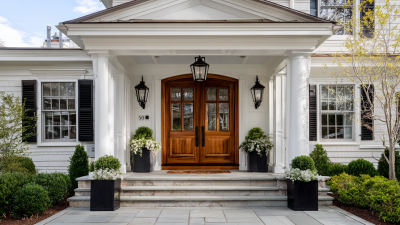
On the other hand, traditional homes benefit from classic wooden doors. Rich, warm finishes bring a cozy feel. Consider doors with intricate carvings or divided light panes. These details add character and reflect the home's charm. Remember, the goal is harmony. An entry door should not overshadow the existing architecture.
Sometimes, it’s easy to overlook the importance of materials. Metal doors offer security but can feel cold. Wooden doors provide warmth but require maintenance. Reflect on what fits best with your lifestyle. Each choice matters. A door is not just functional; it invites people in. Choose wisely.