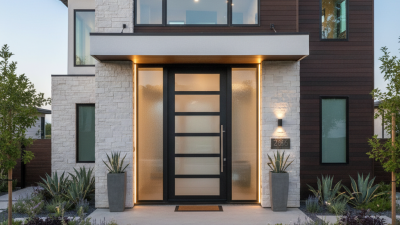
How to Choose the Best Exterior Doors for Your Home?
Choosing the right exterior doors for your home can feel overwhelming. Many homeowners overlook this crucial decision, yet it plays a vital role in both aesthetics and security. Exterior doors are not just entry points; they also frame the overall look of your home. You want a door that complements your style while providing safety and durability.
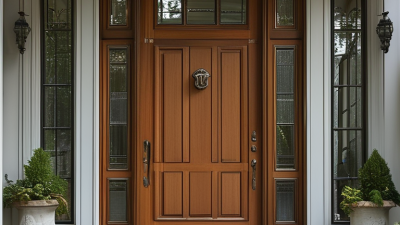
Each type of exterior door offers unique benefits. For instance, wooden doors exhibit charm but require upkeep. Steel doors provide strength and energy efficiency but may lack visual appeal. Consider the climate in your area, as this can affect your choices. Poor decisions may lead to higher energy costs or decreased home value.
Take time to research materials and styles. Consult with professionals when needed. Exterior doors deserve thoughtful consideration because they impact your home's first impression and functionality. Reflect on what suits your needs the best, and remember that a well-chosen door enhances both security and curb appeal.
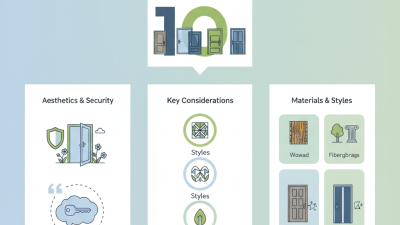
Factors to Consider When Choosing Exterior Doors
When selecting exterior doors, several important factors come into play. Material choice is crucial; wood provides timeless beauty, while fiberglass and steel offer durability and security. Consider your climate as well; harsh weather can damage certain materials. A door's energy efficiency should also be a priority; look for options with good insulation properties to reduce heating and cooling costs.
Security features matter significantly. Look for doors with solid construction and reliable locking systems. Aesthetic appeal should not be overlooked, either. The door should complement your home's architecture and color scheme. Pay attention to the finish; high-quality paint or stain can enhance longevity and maintain appearance.
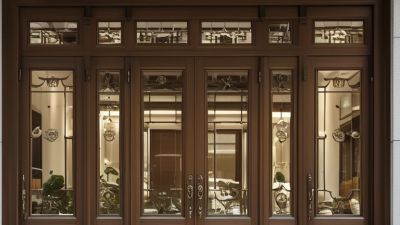
Lastly, don't ignore installation quality. A poorly installed door can lead to air leaks and security vulnerabilities. Remember that even a well-chosen door needs proper fitting. Reflect on your lifestyle, too. If you entertain often, a door with glass panels can invite light and guests in. Balancing these elements will guide you toward making a well-informed decision.
Types of Exterior Doors and Their Material Options
Choosing the right exterior door is crucial for both aesthetics and functionality. Various materials serve different purposes. Wood doors offer natural beauty but may require regular maintenance. According to the National Association of Realtors, wooden doors enhance curb appeal by 10%. However, they can warp due to weather changes.
Steel doors are durable and energy-efficient. They often come with insulation, which can improve energy savings by up to 20% according to the Department of Energy. Their construction provides security that wood can't match. However, they can rust if not properly coated, and dents can be unsightly.
Fiberglass doors combine the benefits of wood and steel. They resist warping, splitting, and rust. A report from the Building Materials Research Institute shows that fiberglass doors can last up to 30 years. They can be painted or stained to mimic wood, providing versatility. Yet, the initial cost might deter some homeowners. Each material has strengths and weaknesses that need evaluation to suit your home’s overall design and security needs.
Evaluating Energy Efficiency Ratings for Exterior Doors
Energy efficiency is a critical factor when choosing exterior doors. A well-insulated door can significantly reduce heating and cooling costs. Many doors feature energy performance ratings. Look for the ENERGY STAR label as it indicates superior efficiency.
Doors can be rated for air leakage, thermal performance, and solar heat gain. Understanding these ratings helps in making informed decisions. For instance, a low U-factor indicates better insulation properties. A door with a high R-value offers excellent resistance to heat flow.
Consider these tips when evaluating doors: check for a solid core construction. It often provides better insulation compared to hollow-core designs. Additionally, select doors with weather stripping for improved energy efficiency. These small details can make a substantial difference in your energy bills. Always research local climate conditions to find the best option for your needs.
Security Features to Look for in Exterior Doors
When selecting exterior doors, security features play a vital role. Doors must resist forced entry. Look for reinforced frames and solid materials. A weak door can be an open invitation for burglars. Many homeowners underestimate the need for a sturdy door. A flimsy design lacks reliability.
Locks are equally important. Consider deadbolts with stainless steel construction. They offer exceptional strength. Avoid standard knob locks alone; they are easy to bypass. Ensure the door has a multi-point locking system for added protection. Regular maintenance is crucial as well. Check the integrity of locks and doors often.
Remember, not all beautiful doors provide safety. Stylish designs can deceive. Always balance aesthetics with functionality. Reinforcing security may alter appearance, but peace of mind is invaluable. Evaluate your choices carefully to build a safe home environment.
How to Choose the Best Exterior Doors for Your Home? - Security Features to Look for in Exterior Doors
| Security Feature |
Description |
Benefits |
| Solid Core Construction |
Doors made from a solid wood or fiberglass core that provide durability. |
Enhanced strength and security against forced entry. |
| Multi-Point Locking System |
Locks that engage at multiple points along the door frame. |
Increased resistance to kick-ins and break-ins. |
| Reinforced Hinges |
Hinges that are specifically designed to prevent tampering. |
Improved door security, especially in high-traffic areas. |
| Impact-Resistant Glass |
Glass panes that are shatter-resistant. |
High level of protection against break-ins while allowing natural light. |
| Smart Lock Technology |
Electronic locks that can be accessed via smartphones or keypads. |
Convenience and additional security features such as alerts and monitoring. |
Design and Aesthetic Considerations for Your Home's Exterior Doors
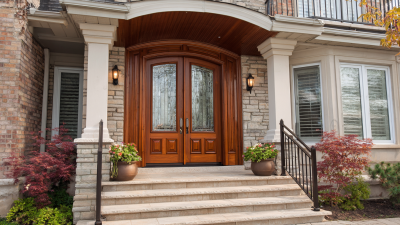
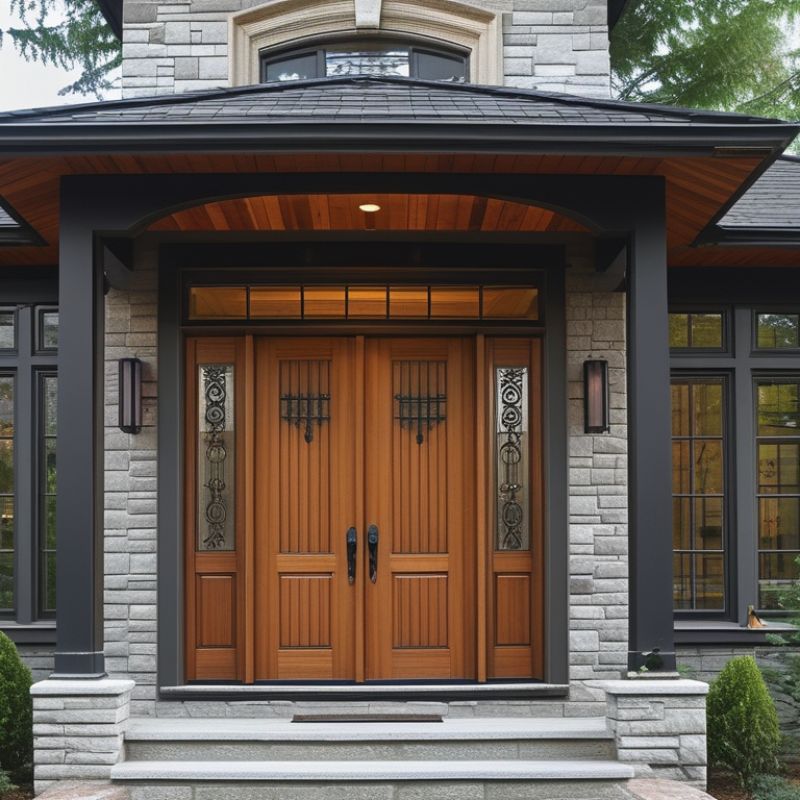
Choosing the right exterior doors can enhance your home's curb appeal and overall value. Design matters significantly. According to the American Institute of Architects, 67% of homeowners consider appearance when selecting doors. The style should match your home's architecture. For example, modern homes may benefit from sleek glass panels, while traditional designs often favor classic wood doors.
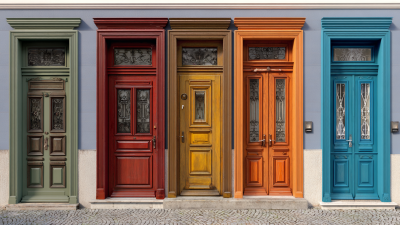
Colors and materials are critical aspects too. Neutral tones remain popular, as reported by the National Association of Realtors. They indicate a timeless quality that appeals to prospective buyers. Yet, vibrant colors can make a personal statement. Balance is key; overly bright shades may deter potential buyers.
Security is another essential consideration, often overlooked. The FBI reported that homes with sturdy doors have lower break-in rates. A visually appealing door should not sacrifice safety features. Look for durable materials that provide aesthetic value while ensuring protection. After all, beauty and security should go hand in hand in your selection process.