How to Choose the Best Home Doors for Your Needs?
Choosing the right home doors is crucial for safety, aesthetics, and energy efficiency. According to a recent report by the Door and Access Systems Manufacturers Association, nearly 60% of homeowners prioritize security when selecting home doors. This highlights the importance of robust materials and effective locking systems.
Home doors serve as a barrier against intrusions. However, many people overlook the energy efficiency of their choices. A study by the U.S. Department of Energy shows that poorly insulated doors can account for up to 10% of home energy loss. Selecting doors with proper insulation can lead to significant savings on utility bills.
While various styles and materials are available, it’s important to consider the local climate and household needs. Some homeowners may focus on aesthetics, but durability should not be ignored. It’s often a challenge to balance these aspects. Reflecting on these factors can lead to more thoughtful decisions regarding home doors.
Factors to Consider When Choosing Home Doors
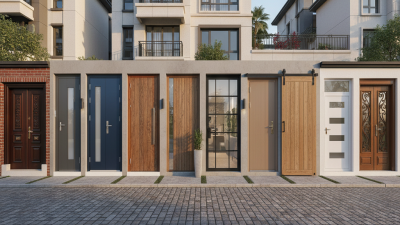
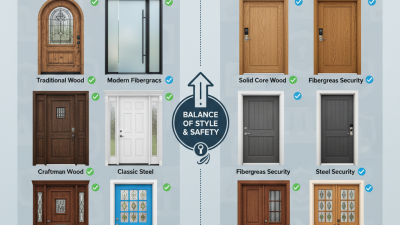
Choosing the right home doors involves several critical factors. First, consider the material. Wooden doors offer aesthetic warmth but require maintenance. Steel doors provide durability and security. Fiberglass doors resist weathering and are energy efficient. Each material has unique benefits, so weigh them against your needs.
Next, think about the door style. Traditional, modern, or rustic designs set different tones for your home. Pay attention to the color and finish as well. A bright, vibrant door can make a statement, while neutral tones blend seamlessly. Opt for a style that complements your overall decor.
Don't overlook functionality. Think about door size and fit, especially if you have specific entryways. Consider how often the door will be used. A simple design may suffice for a seldom-used patio door, while an exterior door may require extra security features. Reflect on your lifestyle and needs to avoid disappointment later.
Factors to Consider When Choosing Home Doors
This chart illustrates the importance of various factors to consider when choosing home doors. Each factor is rated on a scale from 1 to 10, indicating its significance in the decision-making process.
Types of Home Doors: Pros and Cons
When selecting home doors, understanding the different types can greatly influence your choice.
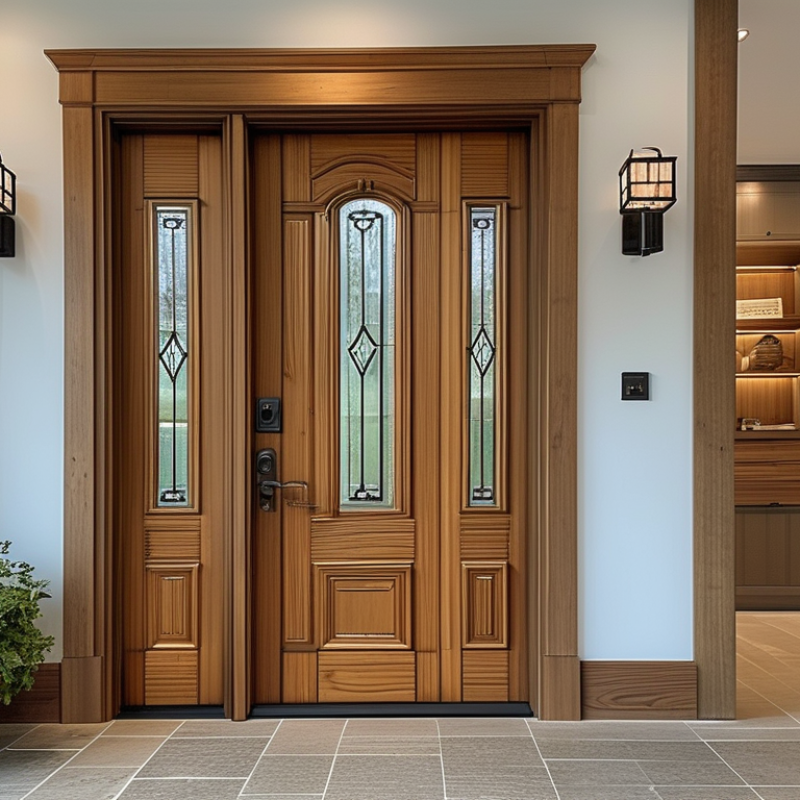
Solid wood doors offer a classic look and durability.
They can provide excellent insulation but require regular maintenance.
Consider the climate of your area. Wood may warp in high humidity or extreme cold.
Steel doors are another popular choice.
They are strong and provide good security features.
However, they can be prone to dents and rust if not properly coated.
If you live in a coastal area, keep this in mind.
Fiberglass doors are lightweight and resistant to wear and tear.
They mimic wood without the upkeep, but their cost can be higher.
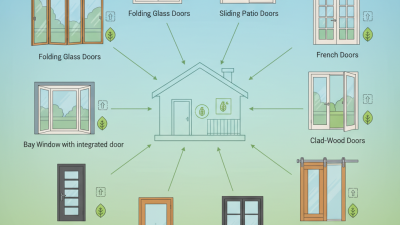
Finally, don’t overlook sliding glass doors. They enhance natural light and provide easy access to patios.
Yet, they may compromise security and energy efficiency.
Always reflect on your lifestyle and home needs when choosing.
Each door type has its strengths and weaknesses. It's essential to find a balance that works for you.
Material Options for Home Doors
When selecting home doors, material choice plays a vital role. Different materials offer unique benefits and challenges. Wood doors are known for their classic appeal and excellent insulation properties. However, they require regular maintenance to prevent warping and weather damage. According to the National Association of Home Builders, wood remains a popular choice, representing over 40% of new door installations in the U.S.
Fiberglass doors are gaining traction due to their energy efficiency and low maintenance. They resist denting and can mimic the appearance of wood at a lower cost. A report from the U.S. Department of Energy indicates that fiberglass doors can reduce energy bills by up to 15%. This is significant for homeowners looking to save on costs while enhancing their home's energy footprint.
Steel doors are another option, favored for their durability and security features. While they offer excellent protection against break-ins, they can rust if not properly coated. A survey by the Door and Access Systems Manufacturers Association reveals that steel doors account for nearly 30% of the market. This material's unforeseen drawback is potential heat retention, which might lead to discomfort in warmer climates.
How to Choose the Best Home Doors for Your Needs? - Material Options for Home Doors
| Material |
Durability |
Maintenance |
Energy Efficiency |
Cost |
| Wood |
High |
Moderate |
Good |
$$$ |
| Fiberglass |
High |
Low |
Excellent |
$$$ |
| Steel |
Very High |
Low |
Good |
$$ |
| Aluminum |
Moderate |
Very Low |
Good |
$$ |
| PVC |
Low |
Very Low |
Moderate |
$ |
Energy Efficiency and Insulation Ratings
Choosing the right home doors involves considering energy efficiency and insulation ratings. Energy-efficient doors can significantly reduce heating and cooling costs. Look for doors with a low U-value. This indicates better insulation. A low U-value means your home retains heat more effectively.
Insulation ratings reveal how well a door can withstand temperature changes. Doors with solid cores provide better insulation than hollow ones. Materials like fiberglass or steel often outperform wood in energy efficiency. They typically provide superior airtight seals, which help in energy conservation.
Reflecting on your choices can reveal unexpected challenges. You might find that a highly rated door lacks aesthetic appeal. Or a beautiful door may lead to higher energy bills. Balancing style with function is crucial. It's essential to weigh the impact of your selection on both comfort and costs. Consider consulting with professionals for tailored advice.
Aesthetic Considerations and Design Styles
Choosing home doors is not just about function. Aesthetics play a crucial role. The right doors can elevate your home's appearance. They come in various styles, colors, and materials. Consider the overall design of your home when selecting doors. A modern house may benefit from sleek, minimalist designs. On the other hand, a rustic home could shine with wooden doors featuring intricate carvings.
Color is another important factor. Dark hues can evoke elegance, while lighter colors often feel more inviting. Don't shy away from mixing textures. A glass insert can add depth to a solid door. Think about the door's scale too. Oversized doors create a dramatic entrance, but they might not suit smaller spaces. Reflect on how each option aligns with your personal style.
You may feel overwhelmed by choices. Take time to visualize how different doors fit into your home. Rely on your instincts but remain open to feedback. Sometimes, a door may look appealing but not function well. Balance beauty and practicality when making your final selection. Your home deserves a door that tells your story.