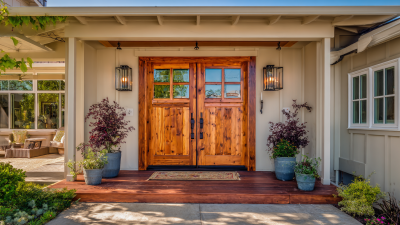
How to Choose the Best Residential Entry Doors for Your Home
Choosing the right residential entry doors is a crucial decision for homeowners, as these doors not only serve as the first line of defense against intruders but also play a significant role in establishing the aesthetic appeal of your home. The style, material, and functionality of your entry doors can greatly influence the overall appearance and energy efficiency of your residence, making it essential to select an option that suits both your personal taste and practical needs.
When considering residential entry doors, homeowners should assess various factors such as durability, security features, energy efficiency, and maintenance requirements. The door's design should harmonize with the architectural style of the home, enhancing its curb appeal while providing a warm welcome for guests. Additionally, the choice of materials, whether it's wood, fiberglass, or steel, can affect not only the door's longevity but also its resistance to weather and wear.
Ultimately, the right choice of residential entry doors combines functionality with style, ensuring that your entryway reflects your home's character while offering the necessary protection and efficiency. By exploring the available options and understanding your specific needs, you can make an informed decision that enhances both the beauty and security of your home.
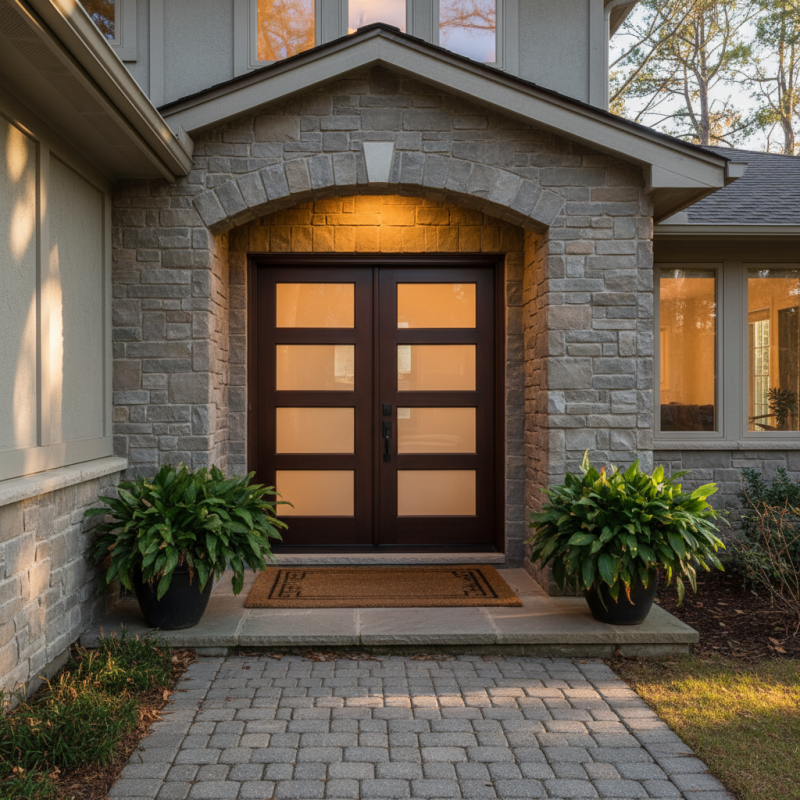
Factors to Consider When Selecting Residential Entry Doors
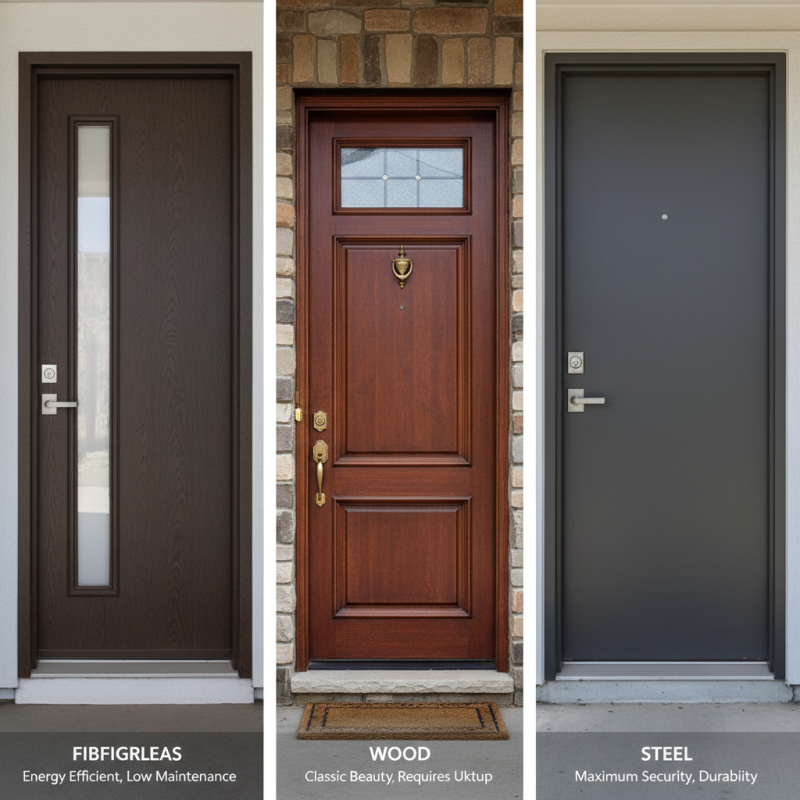
When selecting residential entry doors, several important factors should be considered to ensure you make the best choice for your home. One of the primary aspects is the material of the door. Common choices include fiberglass, wood, and steel, each offering unique benefits. According to the American Institute of Architects, fiberglass doors have gained popularity due to their energy efficiency and ability to mimic the appearance of wood, while wood doors provide a classic aesthetic but may require more maintenance. Steel doors, on the other hand, are known for their durability and security features, making them a top pick for homeowners prioritizing safety.
Another crucial factor to consider is energy efficiency, which can significantly impact your home's overall utility costs. The U.S. Department of Energy emphasizes that entry doors with a high insulation value can prevent energy loss, keeping your home warm in winter and cool in summer. Look for doors that carry the Energy Star label, as these products typically meet strict energy efficiency guidelines established by the Environmental Protection Agency. Finally, aesthetic appeal and curb appeal play a vital role in your door selection. A well-chosen entry door can enhance the overall look of your home while reflecting your personal style. According to recent reports by Remodeling Magazine, homeowners can see a significant return on investment (ROI) when upgrading their entry doors, making design decisions just as critical as functional ones.
Materials for Residential Entry Doors: Pros and Cons
When selecting residential entry doors, one of the most crucial factors to consider is the material. Different materials offer varying advantages and disadvantages that can impact not only the aesthetics of your home but also its security, energy efficiency, and maintenance needs. Common materials include wood, steel, fiberglass, and glass, each presenting unique characteristics.
Wood doors are often favored for their classic appeal and versatility in design. They provide excellent insulation and can be customized with various stains and finishes. However, they require regular maintenance to prevent warping, cracking, or rot, particularly in regions with extreme weather. Conversely, steel doors are renowned for their strength and durability. They are resistant to wear and tear and often come with added insulation, making them a great choice for energy efficiency. The downside is that they can be prone to rust if not adequately protected.
Fiberglass doors combine the best properties of wood and steel without many of their drawbacks. They can mimic the appearance of wood while being highly resistant to dents and moisture. This material is also low-maintenance and energy-efficient. On the other hand, glass doors, often used in combination with other materials, allow for abundant natural light and can create a stunning entryway. Nevertheless, they might not provide the same level of security and insulation as solid doors, making them less suitable as standalone entry options. Consider these material pros and cons carefully to find the best fit for your home's entry door.
Material Comparison for Residential Entry Doors
Understanding Door Styles and Their Impact on Curb Appeal
When it comes to enhancing curb appeal, choosing the right residential entry door is critical. A recent study by the National Association of Realtors indicates that homes with attractive entry doors can recoup about 75% of their costs upon resale, making these doors not just a design choice but also a financial investment. The style of the door significantly influences first impressions, and various designs can convey different image aspects of a home. For instance, traditional doors may evoke a sense of timelessness and stability, while contemporary styles can offer a more modern, fresh look.
Moreover, door materials play a pivotal role in both aesthetics and functionality. According to the Remodeling 2021 Cost vs. Value Report, replacement entry doors made of fiberglass or steel often rank high in terms of durability and energy efficiency. These materials can also be finished to mimic the appearance of wood, allowing homeowners to achieve a classic look without the extensive maintenance required by natural wood doors. Ultimately, the right entry door not only enhances the home’s exterior aesthetics but also contributes to its overall value and energy efficiency, making it a vital consideration for any homeowner looking to boost their property's curb appeal.
Energy Efficiency and Security Features in Entry Doors
When selecting the best residential entry doors for your home, energy efficiency and security features should be top priorities. High-quality entry doors are designed to minimize heat transfer, helping to maintain a consistent indoor temperature. Look for doors with energy-efficient ratings, such as those with insulated cores or low U-values, which reduce energy consumption and monthly utility bills. Additionally, features like double or triple-pane glass can enhance thermal performance while minimizing noise from the outside.
Security is equally crucial when choosing an entry door. Opt for doors made from durable materials such as solid wood, fiberglass, or steel, as these provide better resistance against potential break-ins. Reinforced frames and multi-point locking systems can significantly enhance security, offering peace of mind for homeowners. Additionally, consider doors with smart lock technology, which allows for keyless entry and remote monitoring, providing an extra layer of security in an increasingly connected world. Prioritizing these features will ensure that your entry door not only complements your home’s aesthetic but also serves as a reliable barrier against energy loss and intrusions.
How to Choose the Best Residential Entry Doors for Your Home - Energy Efficiency and Security Features in Entry Doors
| Door Type |
Material |
Energy Efficiency Rating |
Security Features |
Average Cost ($) |
| Fiberglass |
Fiberglass |
R-10 |
Multi-point locking system, Reinforced frame |
1,500 |
| Steel |
Steel |
R-5 |
Deadbolt lock, Security camera compatibility |
1,200 |
| Wood |
Wood |
R-3 |
Customizable with smart lock options |
1,800 |
| Composite |
Composite material |
R-4 |
Anti-pry features, Reinforced edges |
1,600 |
Budgeting and Installing Your Chosen Entry Door
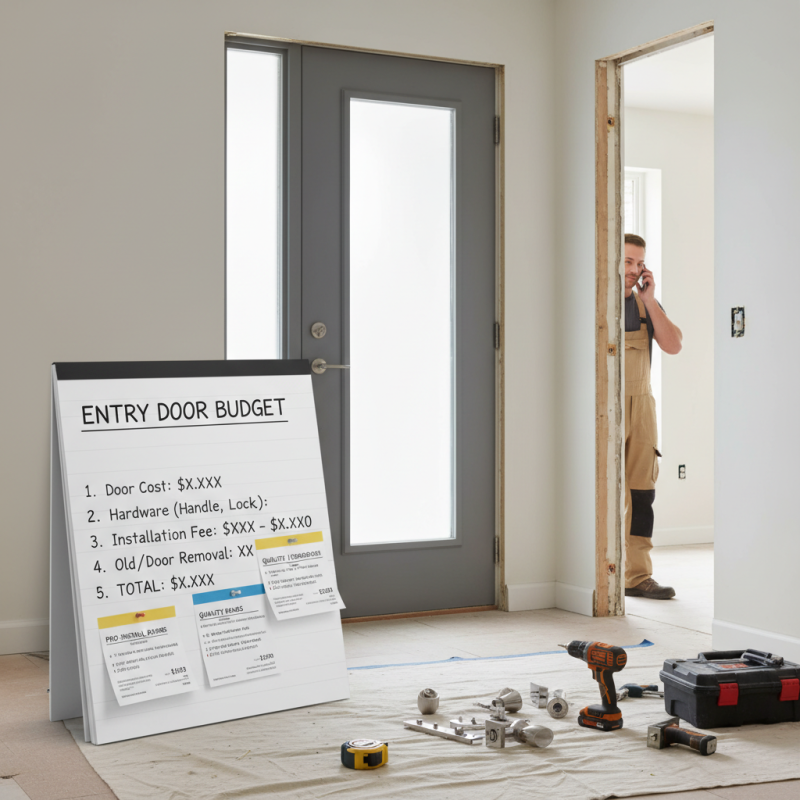
When it comes to budgeting for your new residential entry door, it’s essential to consider not only the cost of the door itself but also any additional expenses associated with installation. Start by setting a clear budget that includes the door’s price, hardware, and potential installation fees. If you’re planning to hire a professional, request quotes from several contractors and inquire about their experience with entry door installations. This will help ensure that you receive a fair price and quality workmanship.
Once you’ve established your budget and selected a door, the next step is the actual installation. If you choose to install the door yourself, be sure to follow the manufacturer's instructions carefully and use the right tools. Measure the opening accurately to avoid any complications during installation. If you opt for professional installation, communicate clearly about your expectations and any specific details related to your door choice. Ensuring proper fitting and sealing during installation is crucial for maximizing energy efficiency and enhancing your home's security.