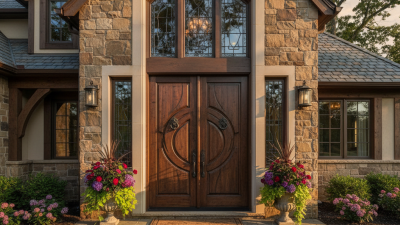
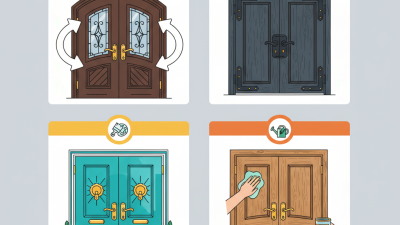
Choosing wood entry doors for your home is a significant decision. Renowned architect John Hardwick emphasizes, "The right door creates a welcoming first impression." This statement highlights the importance of selecting the perfect entry door.
Wood entry doors are not just about aesthetics; they offer durability and energy efficiency. Many homeowners struggle to find the ideal style and material. With various options available, it can feel overwhelming. Consider your home’s architecture and your personal taste when making this choice. Quality craftsmanship can elevate your entryway and enhance your property’s value.
While many options exist, not all wood entry doors are created equal. Some may warp or fade over time. It’s vital to examine the type of wood and the finish used. Reflecting on your priorities can help clarify your decision. A door should marry beauty and functionality while standing the test of time.
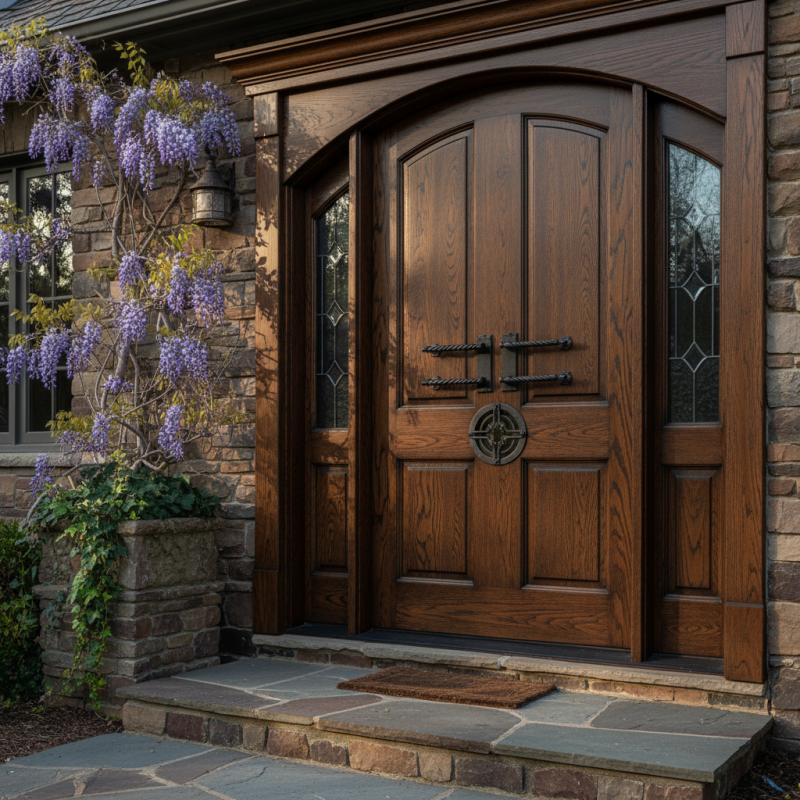
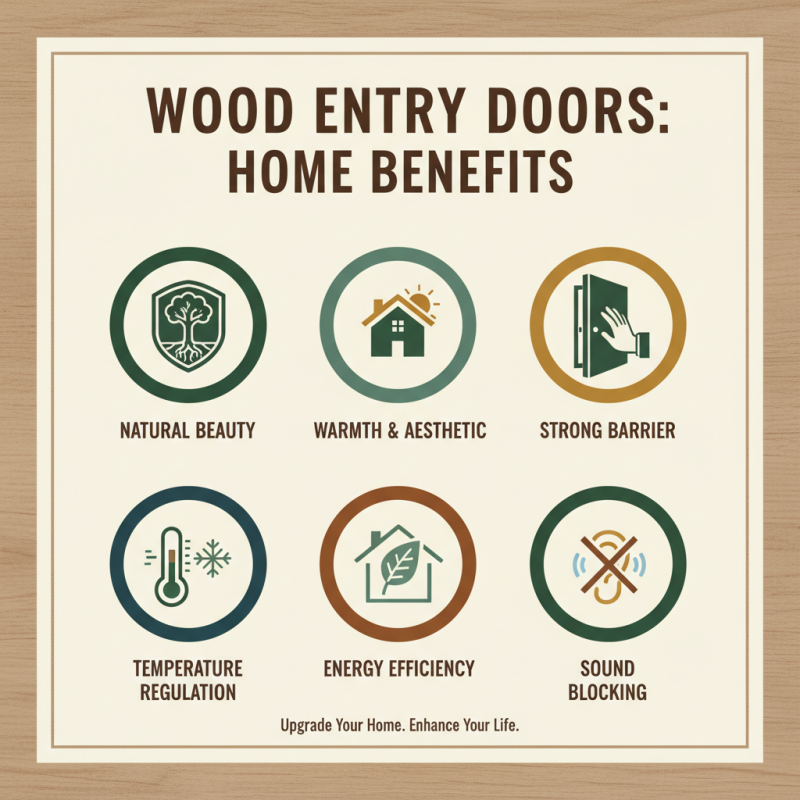
Wood entry doors offer numerous benefits for homeowners. They provide natural beauty and warmth, enhancing your home's aesthetic appeal. A well-crafted wood door can serve as a strong barrier against the elements. It helps regulate temperature and can contribute to energy efficiency. Additionally, wood doors can block sound, creating a more peaceful living environment.
When choosing wood entry doors, consider durability. Solid wood options are typically stronger than hollow-core doors. Look for options treated against warping and cracking. A good finish can protect the surface from moisture and sun damage, ensuring longevity.
Design is also critical. Choose a style that complements your home's architecture. Traditional, modern, or rustic designs can all elevate curb appeal. Pay attention to detailing, like carvings or glass insets, which can add character. Don't forget to think about maintenance; regular staining or painting may be necessary to keep your door looking its best.
Choosing the right wood entry door is a significant decision for any homeowner. Start by identifying your style preferences. Consider whether you prefer a traditional look or a more modern aesthetic. Your door sets the tone for your home’s exterior.
Functionality is another critical aspect. Think about security features and insulating capabilities. A strong door enhances safety and energy efficiency. Keep in mind that not all wood doors provide the same level of durability. Research different wood types, as some offer better resistance to weather changes than others.
Budget considerations also come into play. Quality wood doors can vary greatly in price. Be prepared to invest more for long-lasting options. However, explore less expensive alternatives that still meet your needs. Do not forget to factor in maintenance costs, as some woods require more upkeep than others. Choosing the right wood entry door involves balancing aesthetics, functionality, and budget constraints. Each decision impacts the overall value of your home.
This chart illustrates the key considerations homeowners typically have when selecting wood entry doors for their homes. The data reflects the importance of style, functionality, and budget in the decision-making process.
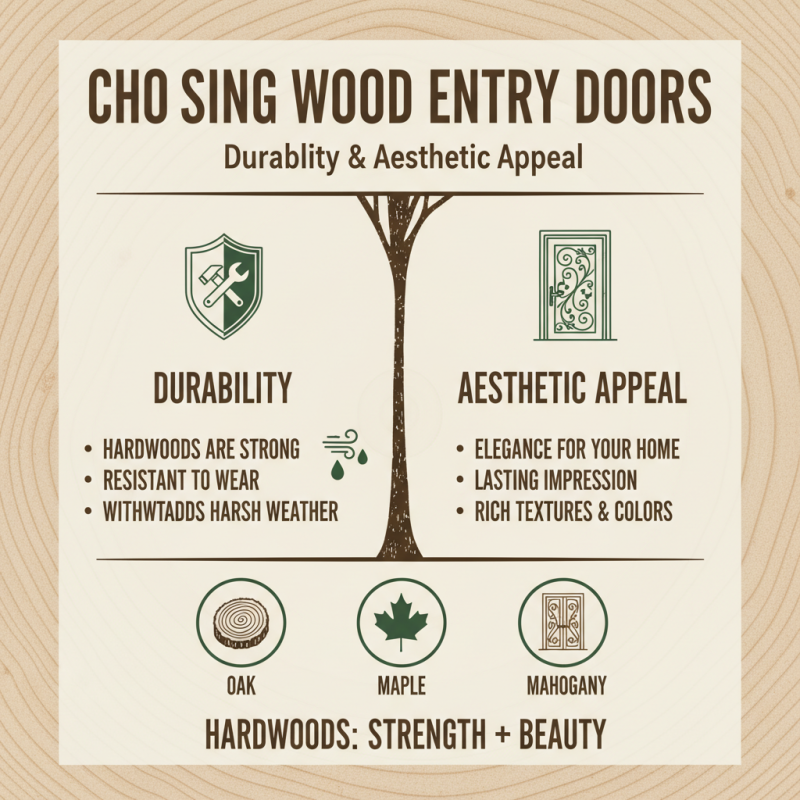
When selecting wood entry doors, the choice of wood species is vital. Durability and aesthetic appeal are crucial factors. Hardwoods like oak, maple, and mahogany offer strength. They resist wear and can endure harsh weather. A well-chosen hardwood adds elegance to your home while ensuring a lasting impression.
Some homeowners overlook maintenance needs. For example, softer woods may require more frequent refinishing. Cedar offers a lovely grain but can warp without proper care. Be realistic about your climate and lifestyle when choosing. Consider how much time you can invest in upkeep.
A door should complement your home’s architecture. A modern home suits sleek maple doors, while rustic styles match oak. Do not rush the decision. Explore different options, and consult professionals. This step can lead to the right choice, enhancing your curb appeal considerably.
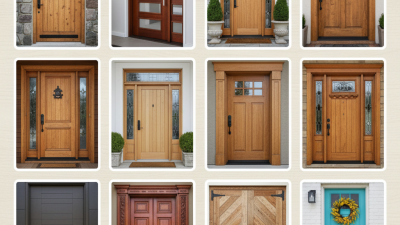
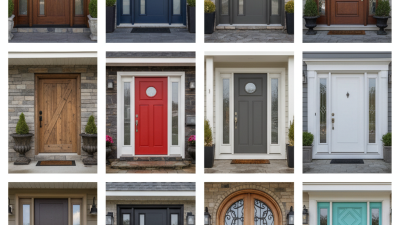
When considering wood entry doors, style and design play a crucial role in enhancing your home's curb appeal. A door is more than just an entry point; it's a statement about your home. Different styles invoke varying moods. A classic paneled door adds elegance, while a contemporary design brings a modern touch. Choosing the right aesthetic can transform your entrance and set the tone for your entire property.
Textures and finishes matter too. A smooth, glossy finish often looks sleek, while a textured door gives character. You might explore natural stains to highlight the wood's grain. But remember, darker colors tend to absorb heat. This could affect your door's longevity over time. You need to weigh beauty against practicality.
Consider the surrounding environment as well. A door that complements your landscaping can enhance overall harmony. Bold colors can create a striking contrast, drawing the eye. Paying attention to details like hardware and glass inserts can elevate your choice further.
Here are some tips:
- Evaluate your home's architectural style.
- Choose a door that stands out but doesn't clash.
- Don't shy away from seeking professional advice.
Finding the perfect fit involves both aesthetics and functionality.
When selecting wood entry doors, proper installation and maintenance play vital roles in ensuring longevity. An industry research report indicates that well-installed wood doors can last between 30 to 50 years. However, improper installation can dramatically reduce this lifespan. Gaps between the door frame and wall can lead to drafts, moisture issues, and warping.
Proper sealing techniques are crucial. Using high-quality weatherstripping prevents air leaks. Regular checks for wear and tear can avoid greater expenses later on. It’s essential to inspect hinges and locks. Tightening screws and lubricating mechanisms enhance door functionality. Neglecting these aspects can result in damage, leading to costly repairs or replacements.
Maintaining the protective finish is also important. Wood doors should be refined every three to five years. A faded or peeling finish leaves the wood vulnerable to moisture and pests. Data from the National Wood Door Association highlights that untreated wood is more likely to suffer from rot. This illustrates the necessity for timely maintenance to protect your investment. Regular care significantly enhances the longevity of your wood entry door, ensuring it remains a beautiful focal point for your home.