10 Essential Tips for Choosing Wood Entry Doors for Your Home?
Choosing the right wood entry doors for your home can be a daunting task. These doors not only enhance your home's curb appeal but also provide security. With countless styles, finishes, and materials available, it’s easy to feel overwhelmed.
When considering wood entry doors, think about the overall design of your home. A door should complement your architecture while offering functionality. You need to balance aesthetics with durability. Natural wood offers unique grain patterns, but it can be prone to weather damage.
It's essential to reflect on your lifestyle and needs. Some wood types are more resilient to wear and tear than others. You might find that your ideal door may not fit your budget. These are important considerations that require careful thought. Each choice impacts the look and feel of your entryway.
Factors to Consider When Selecting Wood for Entry Doors
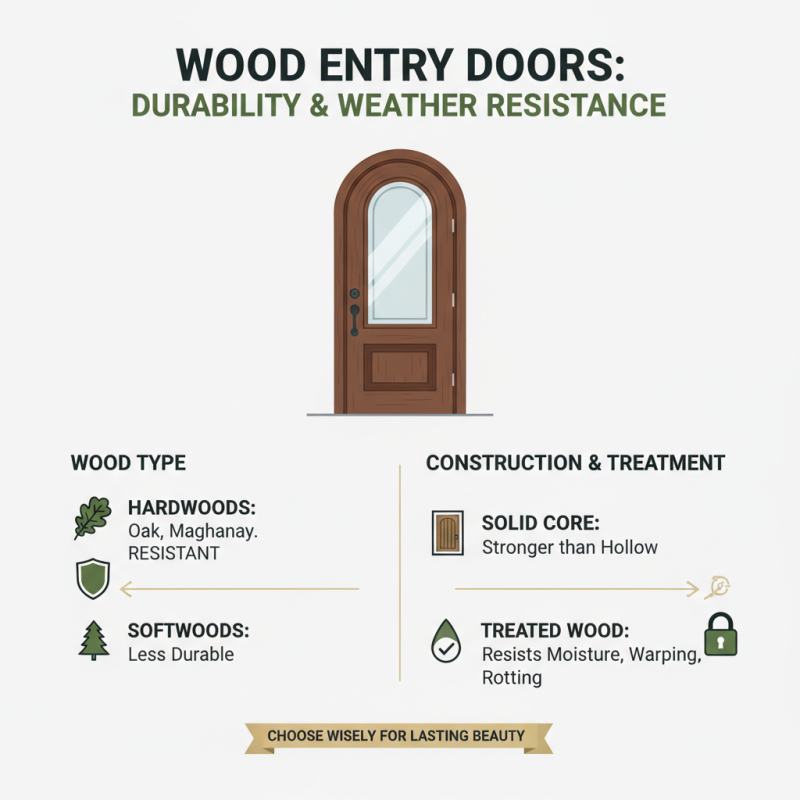
Choosing the right wood for your entry door can impact both aesthetics and security. Consider the type of wood carefully. Softwoods like pine are often less durable than hardwoods. Choices like oak or mahogany offer strength and longevity. Additionally, take into account the climate in your area. Certain woods warp or crack in extreme conditions.
When selecting wood, think about maintenance too. Some woods require staining or sealing. Others might need regular upkeep to maintain their beauty. Tips for choosing wisely include checking for knots and defects. A few imperfections can weaken the door. Always prioritize quality over appearance alone. A stunning door isn’t worth much if it doesn’t last.
Reflect on your design goals. The grain pattern and color should match the overall look of your home. Unique characteristics in the wood can add charm. Still, understand that not all variations are desirable. Sometimes, what looks good can come with hidden flaws. Make decisions based on both elegance and practicality. Aim for a balance between beauty and durability in your choice.
Understanding Different Types of Wood and Their Characteristics
When choosing wood entry doors, understanding the types of wood is crucial. Each type has its unique characteristics, influencing both aesthetics and durability. For example, oak is sturdy and resistant to wear but can be heavy. Pine, on the other hand, is lighter and more affordable, but it may dent easily. Mahogany is beautiful but tends to be more expensive. Different woods come with various grains and textures, affecting the overall look of your entryway.
Tip 1: Consider your climate. Some woods, like cedar, resist moisture, making them suitable for humid areas. Others may warp in extreme weather. Ensure you pick a wood that matches your local conditions.
Tip 2: Think about maintenance. Solid wood doors require regular upkeep. You might need to refinish them more often. This aspect can add to your long-term costs. Try to balance aesthetics with practicality.
Finally, don't overlook the finish. A great finish can enhance the wood's natural beauty while providing protection. Test a few finishes to see what truly complements your choice of wood. The process may take time, and that's okay; making an informed decision is key.
10 Essential Tips for Choosing Wood Entry Doors for Your Home
| Wood Type |
Characteristics |
Durability |
Cost |
Maintenance |
| Oak |
Strong, durable, and attractive grain. |
High |
$$$ |
Requires periodic sealing and refinishing. |
| Mahogany |
Rich color and smooth finish; resistant to moisture. |
Very high |
$$$$ |
Minimal maintenance required; occasional polishing. |
| Pine |
Lightweight, easy to work with, and cost-effective. |
Moderate |
$ |
Needs regular painting or staining. |
| Cedar |
Natural resistance to rot and insects; aromatic. |
High |
$$ |
Requires occasional staining to maintain color. |
| Fir |
Straight grain pattern and good insulation properties. |
Moderate |
$$ |
Low maintenance; needs sealing in damp areas. |
Aesthetic Styles: Traditional vs. Modern Wood Entry Door Designs
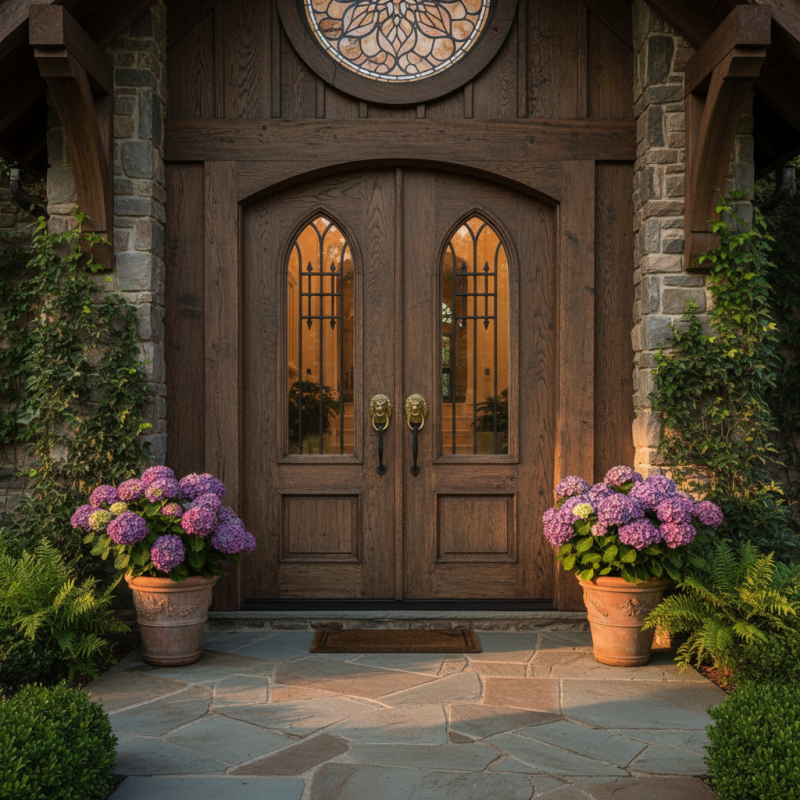
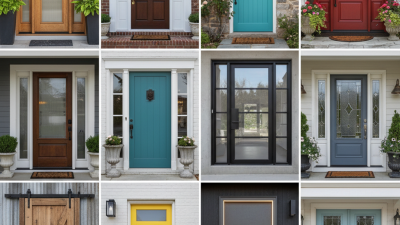
When selecting wood entry doors, the aesthetic style can greatly influence your home's exterior. Traditional designs often feature rich wood grains, intricate carvings, and warm tones. These elements bring a classic, timeless appeal. They evoke a sense of heritage and invite nostalgia. However, they might not resonate with everyone. Some homeowners find them too ornate or heavy. Simplicity can sometimes be more inviting.
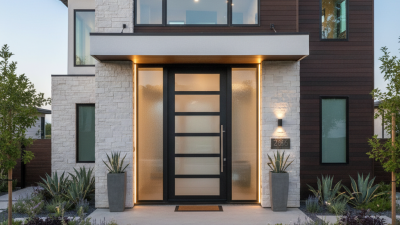
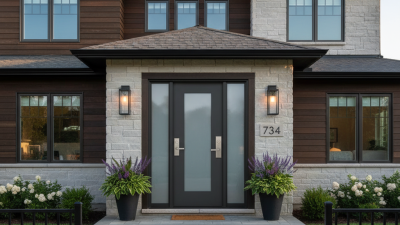
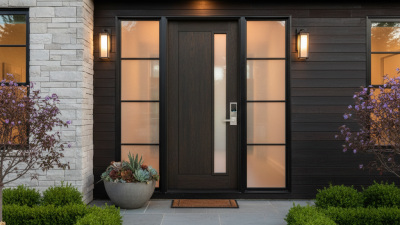
Modern wood entry doors tend to possess clean lines and minimalistic designs. They often showcase natural textures while maximizing natural light with large glass inserts. Such doors can create a bold statement in any contemporary home. Yet, there's a risk with modern designs; they may lack the character that traditional styles offer. In some cases, they can feel cold or uninviting, which may not create the welcoming atmosphere some desire.
Ultimately, the choice between traditional and modern styles depends on personal taste and the overall vibe of your home. It's essential to reflect on what will resonate with your lifestyle. Balancing aesthetics with functionality can lead to the perfect wood entry door that fits your needs.
Cost Considerations and Budgeting for Wood Entry Doors
When considering wood entry doors, budgeting plays a crucial role. The average cost of solid wood doors ranges from $1,000 to $4,000. Factors such as wood type and door size can significantly impact the price. For example, mahogany doors tend to be on the higher end due to their durability and aesthetic appeal. However, cheaper options, like pine, may require more frequent maintenance.
Installation costs can also add up. Typically, homeowners should budget an additional 30% for professional installation. This can vary based on the complexity of the job. In some regions, labor rates can exceed $100 per hour. Remember that the initial cost is only one part of the equation. A well-chosen door should endure for decades, minimizing the need for replacements.
While it might be tempting to cut costs, investing wisely is crucial. High-quality wood doors can enhance curb appeal and add value to your home. According to industry data, upgrading to a premium wood door can yield a 70% return on investment when selling a home. Ultimately, balance quality and budget to make the best decision.
Cost Considerations for Wood Entry Doors
This bar chart illustrates the average costs of different types of wood entry doors. Understanding these costs can help you budget wisely for your home improvement projects.