How to Choose Fiberglass Entry Doors for Your Home?
Choosing fiberglass entry doors is not simply a matter of matching your home’s exterior color. The decision affects comfort, security, maintenance, and daily convenience. A beautiful door can still perform poorly if its frame, sill, or installation is unsuitable for your climate.
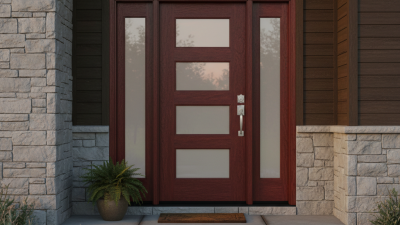
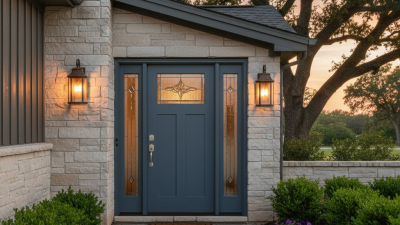
Home-improvement authority Bob Vila has described the front door as “the focal point of your home’s exterior.” That idea matters here. Fiberglass entry doors should complement brick, siding, stone, or stucco without becoming the only noticeable feature. Study the grain texture closely. Some embossed finishes look convincing from the driveway but artificial at arm’s length. Small details matter.
Begin with weather exposure. A south-facing door may need a durable finish and shade protection. Coastal homes require corrosion-resistant hardware and careful threshold sealing. Check the door’s insulation rating, glazing, locking system, and warranty terms. A reinforced core can improve stability, but poor installation may still cause drafts. The frame deserves equal attention.
Do not ignore the sill.
Measure the rough opening accurately. Confirm the swing direction, landing space, and accessibility needs before ordering. It is tempting to choose decorative glass first, yet privacy and heat gain may become daily frustrations. A quieter, better-sealed door may offer more value than an expensive design.
There is no perfect selection. Even experienced homeowners can overlook trim compatibility or future repainting requirements. A qualified installer should inspect the opening and explain local moisture risks. That practical conversation often prevents costly surprises, making your fiberglass entry doors a dependable part of the home rather than merely an attractive entrance.
Understanding Fiberglass Entry Door Construction and Benefits
How to Choose Fiberglass Entry Doors for Your Home?
A fiberglass entry door starts with its core construction. Most models use a molded fiberglass skin around an insulated foam center. This structure helps reduce heat transfer near the entrance. The skin can also resist moisture, dents, and everyday sunlight better than many wood surfaces. Inspect the edges carefully. Poorly sealed edges can weaken long-term performance.
From installation experience, the frame and threshold matter as much as the door slab. A qualified installer should check the opening, hinge alignment, weatherstripping, and drainage path. Small gaps can allow cold air, dust, or water inside. Fiberglass can imitate wood grain, but its finish still needs suitable cleaning. Harsh chemicals may dull the surface. No door is maintenance-free.
Measure the opening before comparing styles. Check the insulation value, glass safety rating, and hardware strength. A north-facing entrance may benefit from stronger thermal protection. A shaded porch gives more flexibility with color and finish. Dark finishes can absorb considerable heat in direct sun. That detail is easy to overlook. I once focused on appearance and underestimated the threshold height. The door looked right, but daily use felt awkward. A careful home inspection, clear installation plan, and realistic maintenance expectations usually lead to a better choice.
Assessing Your Home’s Entryway, Climate, and Security Needs
Choosing a fiberglass entry door starts with the entryway, not the showroom. Measure the rough opening, wall thickness, threshold height, and door swing carefully. A small mismatch can create drafts, water intrusion, or difficult operation. Check nearby roofs and paving, too. Rainwater often collects where the door meets the step.
Climate should guide the door’s performance requirements. The National Fenestration Rating Council evaluates door U-factor, solar heat gain coefficient, and air leakage. A lower U-factor generally means better insulation. In hot, sunny climates, a lower solar heat gain coefficient can reduce unwanted heat. In coastal regions, FEMA’s coastal construction guidance recommends impact-rated doors or approved protective systems where windborne debris is a concern. Fiberglass resists moisture well, but poor flashing can still cause rot around the frame. I have seen “weatherproof” installations fail because the sill was never sloped properly.
Tips: Compare the NFRC label, not just the advertised insulation value. Choose adjustable weatherstripping and a properly sealed threshold. For security, consider a reinforced frame, a strong deadbolt, and strike plates secured into structural framing. The FBI’s 2023 Crime Data Explorer reports thousands of burglary offenses nationwide, but statistics cannot predict your street. Review lighting, visibility, and lock maintenance with the door choice. A glass panel may improve daylight, yet it can reduce privacy and complicate security. Perfect choices are rare; inspect the whole entry system, not only the fiberglass slab.
Comparing Door Styles, Glass Options, and Design Features
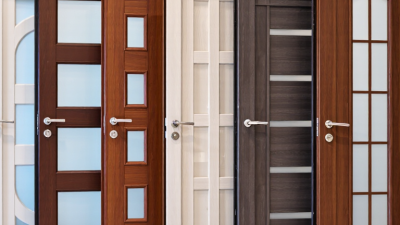
Choosing a fiberglass entry door starts with how your home actually feels and functions. A wide slab creates a welcoming entrance, while a half-lite style offers light with more privacy. Full-view doors suit bright interiors, but they may expose more of your hallway. Panel doors provide a quieter, traditional appearance. Sidelights can make a narrow entrance feel wider. Measure twice. The frame must sit plumb, level, and square. Fiberglass usually resists moisture and warping, but poor installation can still cause drafts. I once overlooked a slightly uneven threshold, and the door never sealed perfectly. That mistake changed how I inspect installations.
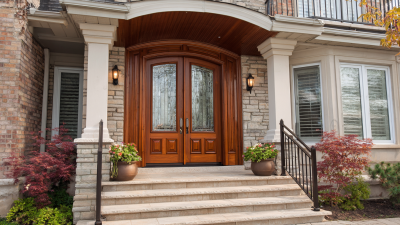
Glass affects daylight, privacy, heat, and visual character. Clear glass brings strong morning light, while frosted or textured glass softens silhouettes. Decorative glass can add personality, though detailed patterns may date faster than expected. Double-pane glass improves insulation, and low-emissivity coatings can reduce unwanted heat transfer. A west-facing entrance may need stronger solar control. Test glass samples outdoors, not only under showroom lighting. Small samples mislead.
Design features deserve practical attention. Choose hardware that feels comfortable, especially when carrying groceries. A low-profile threshold can help family members move more easily. Check the weatherstripping, sweep, hinges, and lock alignment before final approval. Painted finishes offer flexible color changes, while wood-look finishes add warmth without regular staining. Yet every finish needs care. Dust, standing water, and harsh cleaners can shorten its appearance. Ask for written performance details and maintenance instructions. I would also question any feature that looks impressive but serves no daily purpose.
Setting a Budget and Selecting a Qualified Door Installer
How to Choose Fiberglass Entry Doors for Your Home?
Setting a Budget and Selecting a Qualified Door Installer
A fiberglass entry door is more than a panel and a handle. Your budget should include the door, frame, hardware, delivery, removal, and installation. I once underestimated trim repairs and paid extra for unexpected wood damage. Leave room for surprises.
Request at least three written estimates with identical details. Each quote should list measurements, glass options, locks, weatherstripping, labor, disposal, and taxes. A lower price may exclude essential flashing or threshold adjustments. Ask how the installer will protect your flooring and interior walls.
Choose an installer with current licensing, insurance, and verifiable local references. Experience with fiberglass matters because improper shimming can cause leaks, drafts, or uneven gaps. Ask to see recent projects, not only polished photographs. A careful professional should explain water management around the frame in plain language.
Check whether the written agreement identifies payment stages, completion dates, materials, and workmanship coverage. Avoid paying the full amount before installation begins. Confirm who handles permits when local rules require them. The installer should inspect the opening before ordering the door, since old homes often hide warped framing.
Watch the work closely. The frame should sit square, the door should latch without force, and the seal should remain even around the edges. Small details matter. I still think I should have asked more questions during my first replacement. That mistake taught me to compare installation methods, not just prices.