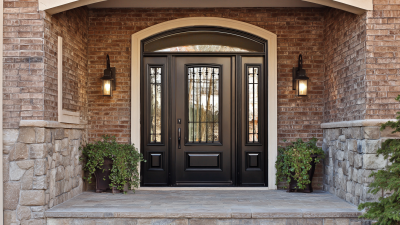
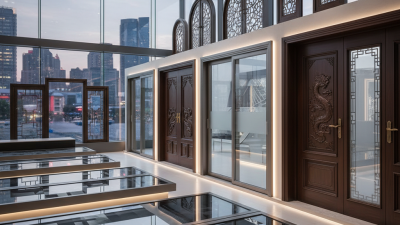
What Are Steel Entry Doors and Why Choose Them?
Steel entry doors are exterior doors made with steel skins, a reinforced frame, and an insulated core. They are not always solid steel slabs. That distinction matters.
In daily use, a well-built steel door feels stable when it closes. Its hinges should move smoothly, and the latch should meet the strike plate without force. Many models use polyurethane insulation, weather seals, and durable factory finishes. These details can reduce drafts, improve security, and help control indoor temperatures. Steel also resists warping better than many wood doors, especially during repeated seasonal changes. Built for daily use.
However, steel entry doors are not perfect. A deep scratch can expose metal and invite corrosion if it remains untreated. Poor installation may create air leaks, even when the door itself has strong performance ratings. Some steel frames also conduct heat, so thermal breaks and proper insulation deserve attention. That matters. Choosing wisely means checking the door’s energy information, frame construction, hardware quality, warranty terms, and installer experience. A reliable manufacturer should provide clear specifications rather than vague promises. A qualified installer can also confirm opening measurements, threshold alignment, drainage, and weather-seal compression. These practical checks often determine whether the door performs well for years. Steel entry doors can offer strength, dependable operation, and a clean architectural appearance. They may suit busy family entrances, commercial-style homes, and properties needing a more substantial front door. Still, the best choice depends on climate, budget, design preferences, and maintenance habits. The strongest door is not automatically the right one.
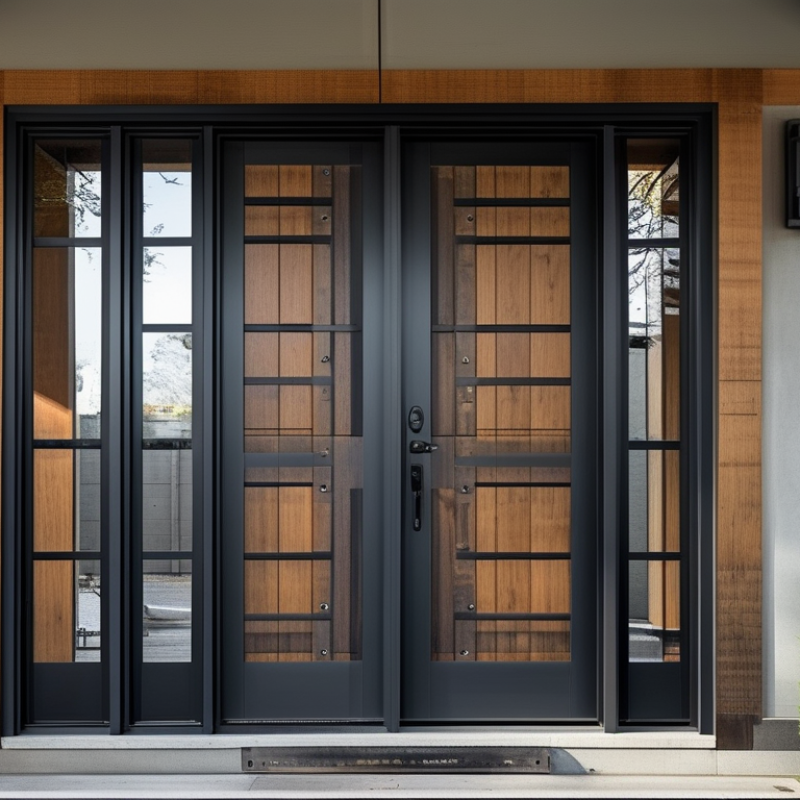
Definition and Core Structure of Steel Entry Doors
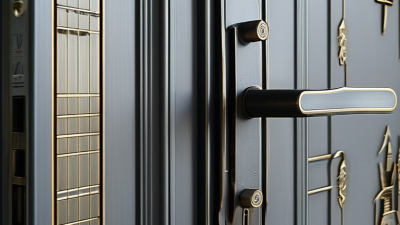
Steel entry doors consist of a formed steel skin wrapped around a reinforced, insulated core. The outer panels commonly use galvanized steel to resist corrosion. Inside, a foam, honeycomb, or mineral-fiber core improves stiffness and thermal performance. Steel rails and stiles support the lockset, hinges, and closing edge. The door frame, weatherstripping, and adjustable threshold complete the entry system.
The structure matters more than the metal label. A thin panel can dent, while a well-reinforced panel feels firm under pressure. In practical installations, I check hinge-side reinforcement, corner joints, and the seal beneath the threshold. Small gaps can admit rain and cold air. The U.S. Department of Energy recommends continuous weatherstripping and properly sealed frames for reducing air leakage. Steel is not magic. Poor installation can weaken its advantages.
The 2024 Cost vs. Value Report, published by Zonda and Journal of Light Construction, recorded an average 188.1% cost recoupment for a steel entry-door replacement. That figure reflects one market survey, not a guaranteed return. Regional labor, door configuration, and installation quality can change the result. Thermal breaks also deserve attention, because steel conducts heat quickly. A door with insulated cores, low-conductivity frames, and compression seals performs more consistently than a hollow steel panel. Yet even experienced installers sometimes overlook the threshold. That detail deserves another inspection.
Security, Durability, and Energy-Efficiency Benefits
Steel entry doors use a formed steel skin around an insulated core, creating a rigid barrier at the home’s most exposed opening. Their strength supports resistance against prying, impact, and everyday abuse. A properly fitted frame, reinforced hinges, and a quality deadbolt matter just as much as the metal itself. Steel alone is not security.
Energy performance depends on more than appearance. The U.S. Department of Energy reports that air leakage can represent 5–30% of a building’s heating and cooling energy use. A tight weatherstrip can therefore matter on a cold, windy evening. The National Fenestration Rating Council evaluates door products through metrics such as U-factor and air leakage. Lower U-factor values generally indicate better insulation. Check the label.
Durability is another practical advantage. A galvanized or corrosion-resistant steel surface can handle repeated use, moving furniture, and harsh weather better than many lightweight alternatives. However, scratches exposing bare metal may eventually invite rust, especially near coastal air. That weakness is easy to overlook. FEMA guidance on wind-resistant openings also stresses proper anchoring and installation, not just product strength. In real homes, a poorly sealed threshold can waste energy and weaken comfort despite a strong door. Inspect the bottom seal, frame gaps, and hardware each season. Small defects become expensive when ignored.
Common Steel Entry Door Styles and Configurations
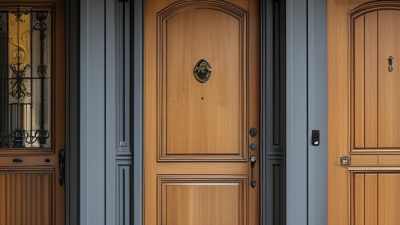
Steel entry doors are built around a reinforced steel skin, usually wrapped over an insulated core. Their style comes from the face, frame, glass, and opening pattern. A smooth slab offers a clean appearance and fewer grooves to collect dust. Embossed panels can imitate traditional wood profiles, while narrow vertical panels suit taller façades. In practice, surface texture matters more than catalog images suggest.
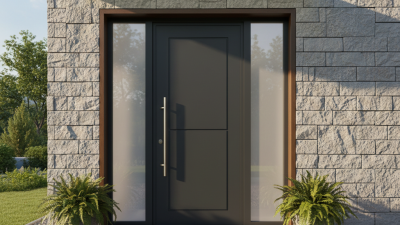
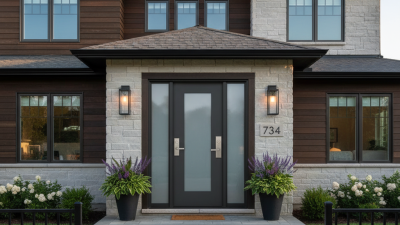
Configurations change how the door works each day. A single entry door fits most openings and leaves the widest clear passage. Double doors create a formal entrance, but both leaves need accurate alignment and stronger hardware. A door with a narrow sidelite admits daylight without making the opening feel exposed. Larger sidelites provide more view, though they can reduce privacy at night. Transoms add height above the frame and suit foyers with tall ceilings.
Glass choices deserve careful attention. Clear glass brightens a hallway, while frosted or patterned glass limits outside visibility. Insulated glazing can improve comfort near the threshold. Laminated glass is worth considering, but it cannot replace a properly anchored frame and reliable deadbolt. Measure the rough opening, wall thickness, and swing direction before ordering. Small errors become expensive. I once underestimated trim clearance, and installation required an awkward adjustment. Steel resists impact, yet it can dent or rust if coatings and edge seals fail. Regular inspection remains practical.
Installation, Maintenance, and Selection Considerations
Steel entry doors combine a rigid steel skin with an insulated core, creating a durable barrier at the home’s most-used exterior opening. Their value depends on correct installation, not metal alone. The U.S. Department of Energy reports that air leakage can account for up to 30% of residential heating and cooling energy use. A poorly fitted door can waste that advantage.
Installation should begin with a square, level opening. Installers must check the sill, shims, frame alignment, and weatherstripping before applying low-expansion foam. A one-millimeter gap may produce a noticeable draft near the threshold. It also allows rainwater to reach the subfloor. I have seen attractive doors fail because the frame was rushed. That detail deserves more attention.
Maintenance is simple, but not optional. Clean the surface with mild soap, inspect seals twice yearly, and lubricate hinges with a suitable product. Repaint exposed scratches before corrosion spreads. For selection, compare U-factor, air leakage, water resistance, and security hardware through National Fenestration Rating Council guidance. The 2024 Cost vs. Value Report also placed steel entry door replacement among the strongest remodeling investments for resale return. Still, reported returns vary by region, labor cost, and door quality. Choose a certified assembly, not merely a heavy slab.