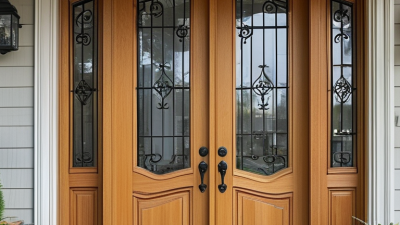
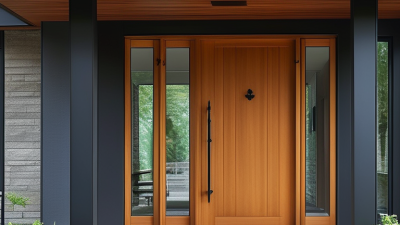
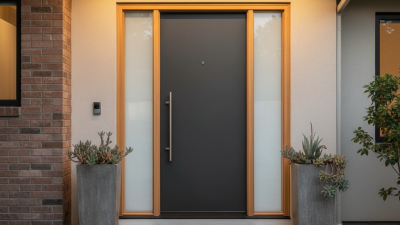
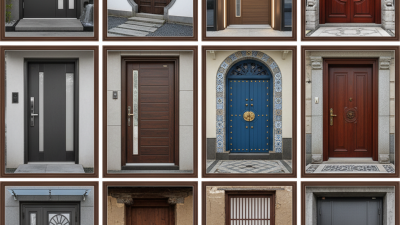
Choosing the right house front doors involves more than matching a paint color to your exterior walls. The entrance must welcome visitors, resist weather, protect your home, and operate smoothly every day. A beautiful door can still disappoint if it swells during rain, blocks natural light, or leaves a visible gap around the frame.
This guide presents ten practical tips for comparing materials, sizes, styles, glazing, locks, insulation, and installation details. It reflects common advice from door specialists, builders, and homeowners who have dealt with drafts, sticking hinges, and damaged finishes. Measure the opening carefully. Check the swing direction. Think about afternoon sun, winter wind, and the muddy shoes that may cross the threshold.
Small details matter.
A solid timber door may offer warmth and character, but it needs regular maintenance. Fiberglass can imitate wood with less upkeep, while steel often provides strength and stable performance. However, no material is perfect. I once underestimated the importance of the threshold height, and that minor choice made daily cleaning harder than expected. Your local climate, household routines, budget, and security needs should guide the final decision. Reliable manufacturers, clear warranties, certified hardware, and professional installation can reduce costly surprises. Take your time before choosing. The best house front doors should look inviting, feel secure, and continue performing long after the first impression fades.
10 Tips for Choosing the Best House Front Doors
Define Your Doorway’s Size, Style, and Architectural Requirements
Tip 1: Measure the opening carefully. Record width, height, jamb depth, and threshold height. Measure at the top, middle, and bottom. Older homes rarely stay perfectly square. I once trusted one measurement and underestimated the required frame adjustment. That mistake delayed installation.
Tip 2: Separate the rough opening from the visible door size. The rough opening includes space for shims, insulation, and leveling. A qualified installer can verify these clearances before ordering. Also check the swing direction. It must not block a hallway, stair, or nearby window. Small details matter.
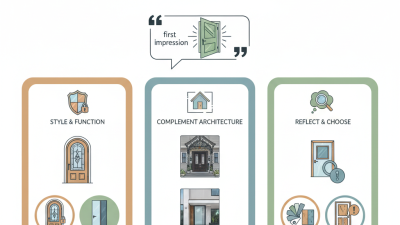
Tip 3: Match the door’s style to the home’s architecture. A simple panel door may suit a traditional façade, while clean glass sections can complement modern lines. Consider the roof pitch, exterior materials, trim width, and entry lighting. The door should look intentional, not oversized.
Tip 4: Confirm practical requirements early. Check local building rules, accessibility needs, energy performance, drainage, and exposure to wind-driven rain. A covered porch may need different weather protection than an unprotected entrance. Review hardware locations too, especially if household members have limited reach or mobility.
Tip 5: Inspect the surrounding structure. Soft wood, cracked masonry, or uneven flooring can affect alignment. These issues are easy to miss during a quick visual check. Ask an experienced professional to assess them before installation, and request written measurements for accountability.
Choosing a house front door starts with comparing materials, not appearances alone.
Steel doors offer strong security and resist warping, but exposed edges can rust after repeated moisture.
Fiberglass doors handle rain, sunlight, and temperature changes well. They can imitate wood grain without demanding frequent repainting.
Solid wood feels warm and substantial. However, it may swell during wet seasons unless sealed carefully.
Durability also depends on construction details.
Check the door’s core, frame, hinges, and threshold.
A heavy door with weak hinges will sag over time.
Look for weather stripping that compresses evenly around all four sides.
The bottom sweep should touch the threshold without dragging.
In windy areas, a multi-point locking system can reduce movement and air leakage.
Small gaps matter.
Cold air often enters through the frame, not the panel.
I once focused too much on color and underestimated afternoon sun. The darker finish became noticeably hotter, and the sealant needed earlier maintenance.
That mistake changed my buying checklist.
Ask how the material performs in your local climate, then inspect the manufacturer’s test information.
A door rated for moisture may still fail when installation is poor.
Use a level frame, sealed fasteners, and correct drainage.
Even the best material cannot compensate for careless fitting.
A secure front door begins with its structure, not its appearance. In 2023, the FBI recorded 847,522 burglary and breaking-and-entering offenses in the United States. That figure does not prove every door failed, but it supports careful evaluation. Choose a solid-core or reinforced door with a strong frame. Press near the latch area; movement may reveal weak installation. The U.S. Department of Energy reports that doors and windows can account for 25–30% of residential heating and cooling energy use, so weather sealing matters too.
Tip: Check the frame first. A strong lock cannot compensate for loose screws or cracked timber. Use a deadbolt with at least a one-inch throw, and confirm that the strike plate is secured into structural framing. Look for products tested to recognized residential hardware standards, such as ANSI/BHMA requirements. These tests commonly examine strength, cycle endurance, and latch performance. Still, certification is not magic. Installation errors remain a common weakness.
Tip: Treat glass as part of the security system. Large, low-mounted panes can provide convenience but may expose the lock. Consider laminated safety glass, narrow sidelights, or reinforced glazing. The International Window Film Association explains that laminated glass remains held together after impact, unlike ordinary glass. I would also test the door at night. Can someone see your keys, hallway, or alarm panel? Small details matter.
Tip: Inspect hinges, thresholds, and seals. Three-inch screws may improve hinge attachment when suitable for the frame. Avoid guessing, though. A qualified installer should confirm compatibility, fire requirements, and local building rules. My own bias is toward simpler hardware; complicated features can be impressive, but neglected maintenance quietly reduces protection.
Choose an energy-efficient front door by checking its U-factor, insulation core, frame, and weatherstripping. The U.S. Department of Energy estimates air sealing can reduce heating and cooling costs by 5% to 30%. A poorly fitted door may waste energy through small gaps around the threshold.
Look for a low U-factor, which indicates better resistance to heat transfer. Check the National Fenestration Rating Council’s certified labels when available. Fiberglass and insulated steel doors often provide stronger thermal performance than solid, uninsulated designs. Glass matters too. Choose double-pane or low-emissivity glazing for less heat loss near the entryway.
Test the door in person. Stand beside it on a windy day. Can you feel cold air near the frame? That detail matters. A tight compression seal, adjustable threshold, and fully insulated frame can improve comfort. I once focused too much on appearance and overlooked the threshold gap. It looked minor, but the hallway stayed noticeably colder.
The U.S. Department of Energy also recommends sealing cracks with suitable caulk and replacing worn weatherstripping. However, higher efficiency does not always mean the highest price. Installation quality, local climate, and daily exposure often matter more than decorative features. Ask for documented U-factor values, air-leakage ratings, and warranty terms before choosing.
A realistic door budget includes more than the slab and decorative glass. Measure the opening carefully, then request an itemized estimate for the frame, locks, trim, delivery, removal, and disposal. I once underestimated finishing work around an older entrance. The door fit, but the surrounding trim needed repair. That extra cost was avoidable.
Keep a contingency fund of about 10 to 15 percent for hidden damage or unusual framing. A damp threshold, uneven floor, or weakened studs can change the installation plan. Compare estimates from experienced installers, not just the lowest price. Ask how they handle insulation, flashing, drainage, and weather sealing. These details affect comfort and long-term reliability.
Professional installation is especially valuable when the opening is nonstandard or the wall has settled. Confirm the installer’s training, insurance, references, and written warranty terms. Check local permit requirements before work begins. During installation, watch for a level frame, even gaps, secure hinges, and smooth lock operation. Small problems matter. A door that closes poorly may waste energy and reduce security. I would also leave time for adjustment after installation, because materials can shift slightly with temperature and humidity.