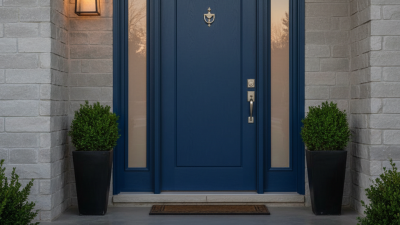
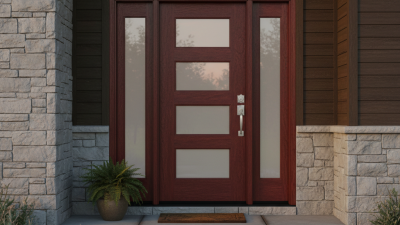
Choosing among the Top 10 Fiberglass Front Doors for Global Buyers requires more than attractive photography. Buyers must examine climate, installation quality, security hardware, warranty coverage, and verified performance data. Fiberglass front doors can resist moisture, dents, and seasonal movement better than many traditional wood alternatives. Their realistic grain textures also suit modern apartments, coastal homes, and traditional villas.
Industry guidance supports a performance-led approach. The U.S. Department of Energy’s Building America research highlights air sealing and proper installation as important factors in reducing unwanted heat transfer. ENERGY STAR and the National Fenestration Rating Council encourage buyers to compare certified energy-performance information, including U-factor and solar heat gain where applicable. These ratings do not tell the whole story. Frame design, glazing, weatherstripping, and installer skill can change real-world results.
Details matter. A thick door slab means little if the threshold leaks during heavy rain. Global buyers should also check fire ratings, wind-load requirements, accessibility rules, and local certification systems. Reports from Grand View Research and other building-material analysts continue to show strong interest in durable, energy-conscious construction products, although market forecasts vary by region and methodology. That uncertainty deserves attention. No ranking can fit every climate, budget, or building code.
This guide compares ten fiberglass front doors using practical criteria: material durability, thermal performance, design flexibility, security features, maintenance needs, and documented manufacturer support. Some products may look excellent but offer limited regional service. Others may cost more initially yet reduce repainting and repair demands. Real value depends on the complete door system, not the slab alone.
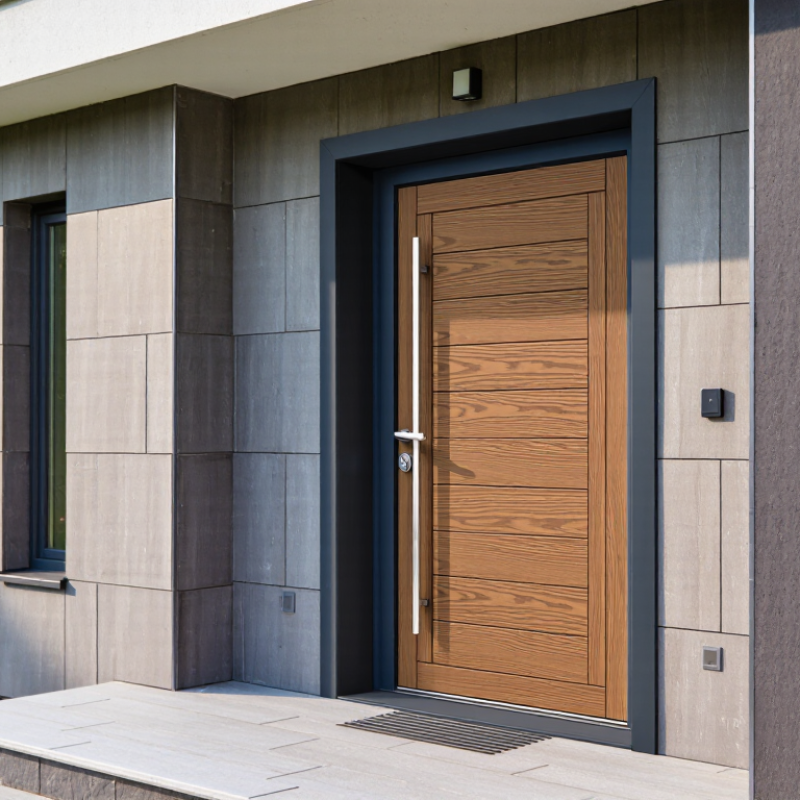
Top 10 Fiberglass Front Doors for Global Buyers
Fiberglass front doors suit global buyers because they balance durability, insulation, and design flexibility. In humid coastal areas, a properly sealed fiberglass skin resists swelling better than many wood doors. In cold regions, a foam-filled core can reduce heat transfer around the entryway. Performance still depends on installation. An excellent door can fail when the sill is poorly leveled or the weatherstrip is compressed unevenly. In practical sourcing reviews, buyers should request U-factor, air-leakage data, and tested water resistance, not broad claims. Measurements matter. So does the frame.
The top ten options for international projects usually differ in surface texture, glazing, hardware preparation, and threshold design. A wood-grain finish can provide a residential appearance without demanding annual repainting in every climate. Textured surfaces also hide small marks from shipping and daily use. However, dark colors may absorb strong sunlight and increase heat stress on some assemblies. Buyers should check the tested exposure range and confirm whether replacement glass, hinges, and seals are available locally. A door shipped thousands of kilometers is not truly convenient if one small gasket requires another shipment.
Global purchasing also requires clear documentation. Confirm rough-opening dimensions, handing, packaging details, installation instructions, and warranty terms before payment. Ask for photographs of corner protection and pallet loading. These details reveal supply discipline. I would not judge a door from a showroom sample alone; finish consistency can change between production batches. Local installers should review drainage, hardware, and accessibility needs before ordering. Fiberglass is forgiving, but it is not maintenance-free. Clean the surface gently, inspect seals yearly, and repair scratches before moisture reaches vulnerable components.
A reliable ranking begins with measurable performance, not showroom appearance. I would examine fiberglass thickness, surface resistance, frame stability, and protection against moisture. The best doors should resist swelling after repeated rain exposure and maintain a smooth finish under strong sunlight.
Thermal efficiency deserves serious weight. A practical score can assign 25% to weather resistance, 20% to insulation, and 20% to structural durability. U-factor, R-value, glass performance, and compression seals reveal more than marketing language. A door may look solid yet transfer heat around its frame. Details matter.
Security also requires careful inspection. I would check reinforced lock areas, hinge construction, impact-resistant glass options, and alignment after repeated opening cycles. Independent test reports strengthen credibility, but test conditions must match the buyer’s climate and installation method. For global purchasing, clear dimensions, packaging quality, replacement-part access, and installation instructions are essential. Fit matters.
Warranty terms should explain coverage, exclusions, and maintenance responsibilities in plain language. I would also consider color stability, threshold drainage, and accessibility for daily users. No ranking is perfect. A high-scoring door can still disappoint when installers ignore shimming, sealing, or local building requirements. That weakness deserves attention, even when the product itself performs well.
Fiberglass front doors now combine appearance with measurable performance. The strongest ten options include smooth slab, woodgrain, flush, six-panel, shaker, craftsman, contemporary glass, half-glass, sidelite, and oversized pivot styles. Smooth slabs suit modern homes, while woodgrain skins imitate oak without regular staining. Shaker panels add restrained depth. Clear or frosted glass improves daylight, but it can reduce privacy. Choose laminated or insulated glazing for exposed entrances.
Performance depends on more than the door skin. Look for a reinforced frame, adjustable hinges, compression weatherstripping, and a continuous threshold. NFRC labeling helps buyers compare U-factor and solar heat gain values where applicable. Lower U-factor generally indicates better insulation. The U.S. Department of Energy also identifies door gaps and worn weatherstripping as common air-leakage points. Small installation errors matter. A perfect slab performs poorly inside a twisted frame.
The International Energy Agency’s Buildings report states that buildings use about 30% of global final energy and create roughly 26% of energy-related emissions. That context makes entrance insulation worth checking, especially in extreme climates. Coastal buyers should request corrosion-resistant hardware and tested moisture protection. Cold-region buyers need low-conductivity cores and sealed glass. I would not trust decorative claims without tested ratings. Even attractive woodgrain can feel artificial at close range. Global buyers should compare climate suitability, opening direction, replacement parts, and local code requirements before choosing among the ten styles.
Fiberglass front doors should be compared by climate first, not appearance. The International Energy Agency reports that buildings consume about 32% of global energy and produce roughly 34% of energy-related emissions. A poorly sealed entry door can create a cold draft near the threshold. Ask for tested U-factor, air leakage, and solar heat gain data. NFRC labels provide these measurements for rated products, making cross-border comparisons more reliable.
In hot, sunny regions, select a light-colored finish, insulated core, and low solar heat gain. In cold or wet climates, prioritize a thermally efficient slab, compression weatherstripping, and a raised, water-resistant sill. Coastal buyers should question hardware corrosion testing. Small details matter. A beautiful door can still fail around its frame.
Security requires more than a thick panel. European EN 1627 classifies resistance from RC2 through RC6, while cylinder protection, hinge design, glazing, and frame anchoring remain critical. Confirm that testing covers the complete door assembly, not only the fiberglass skin. Maintenance is usually modest: wash the surface with mild soap, inspect seals annually, and keep drainage paths clear. Yet finishes can fade, seals can shrink, and installation errors can cancel good laboratory results. I would not trust a low-maintenance claim without a written warranty, test scope, and climate-specific installation instructions.
Top 10 Fiberglass Front Doors for Global Buyers
Choosing among the top 10 fiberglass front doors requires more than comparing photographs. I have seen attractive doors fail because buyers measured the slab, not the rough opening. Confirm width, height, jamb depth, swing direction, and threshold height before ordering. Common sizes differ between markets, so request drawings in both millimeters and inches. Allow space for frame adjustment and uneven masonry.
Standards also vary by destination. Ask for test reports covering air leakage, water resistance, structural pressure, and thermal performance. Glass may need safety testing, while hinges and locks should match local security expectations. Confirm the stated U-factor, weatherstripping design, and door-slab thickness. A supplier should explain which laboratory completed each test. Be cautious with vague certificates.
Shipping needs practical planning. Fiberglass slabs can resist moisture, but corners and glass remain vulnerable. Specify foam protection, reinforced crates, moisture barriers, and impact labels. Check whether the quote includes export packing, port handling, duties, and final delivery. Inspect the crate before signing for damage, then photograph every panel and label. Warranty terms deserve equal attention. Confirm coverage periods, installation exclusions, replacement procedures, and response times. Some warranties become difficult to use after unauthorized modifications. That detail is easy to miss. A perfect checklist does not exist; local installers may still discover wall conditions that factory drawings cannot predict.