What Are the 10 Best Front Entrance Doors?

A front door does more than frame a welcome. It faces rain, afternoon sun, muddy shoes, and daily use, while helping shape a home’s security and energy performance. Choosing among front entrance doors means weighing material, insulation, maintenance, style, and budget—not just color. A heavy-looking door is not automatically a better one. Small details matter.

Industry data can help set realistic expectations. Remodeling magazine’s 2024 Cost vs. Value report estimated a 188.1% cost recoup for a standard steel entry-door replacement in its national project comparison. That figure is an estimate, not a guaranteed return; local labor costs, condition, and market demand can change the result. The U.S. Department of Energy also advises checking for air leaks around doors, since gaps can let conditioned air escape. A tight fit and correct installation deserve as much attention as the slab itself.

This guide compares ten front entrance doors across practical options, including steel, fiberglass, wood, and designs with glass panels. It considers durability, upkeep, insulation, appearance, and relative cost, so readers can match a door to their climate and household. Look closely at the frame, threshold, weatherstripping, and lock hardware. A beautiful door can still disappoint if those parts are poorly chosen. And the “best” choice may be less dramatic than expected. It may simply open smoothly, seal well, and suit the house for years.
What Are the 10 Best Front Entrance Doors?

What Makes a Front Entrance Door a Strong Choice?

A strong front entrance door should suit the house, the climate, and the way the entry is used every day. Look beyond the finish. A solid core, well-sealed edges, and a sturdy frame help limit drafts and reduce movement over time. Check the threshold, too: a small gap can invite water, dust, or cold air. The National Fenestration Rating Council provides ratings such as U-factor and solar heat gain coefficient, making it easier to compare tested doors rather than trust broad “energy-saving” claims. Lower U-factor generally means less heat transfer, but installation quality still matters. A good door fitted poorly is still a weak choice.

Security and upkeep deserve equal attention. Choose a door and frame that feel rigid, with hardware suited to the entry and clear sightlines for visitors. In its 2024 Cost vs. Value report, Journal of Light Construction reported an average $2,355 cost for steel entry-door replacement and an estimated $4,430 in resale value, or 188.1% cost recouped. That figure is a national estimate, not a promise for every home. Even so, resale math is not the whole story. I would not choose by showroom appearance alone. Test the latch, inspect the weatherstripping, and ask how the finish handles sun and rain. Details matter. A modest door, correctly measured and installed, can be a stronger choice than a striking one that sticks after the first wet season.

What Are the 10 Best Front Entrance Doors?

A strong front door balances insulation, weather resistance, security, and a suitable fit for your home. Insulated fiberglass and steel doors often offer higher thermal resistance than uninsulated or single-pane designs.

The chart shows indicative R-values for common door constructions, in ft²·°F·h/Btu. Actual performance varies by model, glazing, frame, weatherstripping, and installation; R-value alone does not determine overall door quality.

Which Materials Shape the Best Front Entrance Doors?

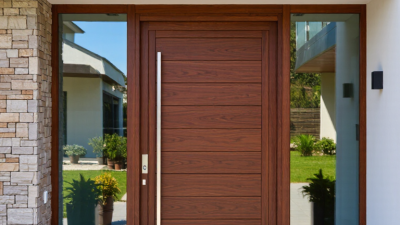
Material changes how a front door feels, performs, and ages. Solid wood offers visible grain and a warm, substantial feel under the hand. It can be shaped or refinished, but seasonal humidity may cause swelling or movement. Check the finish and edges regularly. Wood rewards care.

Fiberglass can imitate painted wood or natural grain, while resisting many dents and weather-related changes. Its quality varies, so inspect the frame, seals, and surface rather than judging by appearance alone. Steel is often chosen for strength and a crisp, simple look. However, scratches that expose bare metal may need prompt attention to limit rust. A small detail, easily missed.

Glass panels bring daylight into a dim entry, but they affect privacy and insulation. Consider textured or insulated glazing, and notice how the sun reaches the doorway during the day. The frame matters, too: a well-made slab can still feel drafty if installation leaves gaps. I would compare complete door systems, not just material samples. One caveat: local weather, exposure, and maintenance habits can change which choice makes sense. There is no perfect material. The right one should suit the home and the way its entrance is used.

What Are the 10 Best Front Entrance Doors? — Which Materials Shape the Best Front Entrance Doors?

Door Type Main Materials and Construction Best For Insulation Maintenance Key Considerations
Insulated Fiberglass Door Fiberglass skins over an insulating foam core All-around performance with limited upkeep Generally good; performance varies by core, glazing, and weather seals Low; clean periodically and inspect seals and finish Resists rust and does not rot like untreated wood. Check that the slab, frame, and installation are suited to local weather.
Wood-Grain Fiberglass Door Textured fiberglass surface designed to resemble wood, usually with a foam core A wood-like appearance with less routine maintenance Generally good, depending on the complete door assembly Low to moderate; finish care depends on the coating and exposure Appearance and finish quality vary. Follow the manufacturer's instructions for staining or painting.
Insulated Steel Door Steel skins surrounding an insulating core Practical value and a sturdy door slab Often good when the core and perimeter seals are well designed Low to moderate; promptly repair chips that expose steel Steel can dent, and exposed areas may rust. Security also depends on the frame, hinges, lock, and installation.
Steel Door with Glazing Steel door construction with one or more glass panels Bringing daylight into an entryway Varies with the insulated-glass unit, frame, and seals Low to moderate; clean glass and maintain the door finish Choose appropriate safety glazing and consider privacy, glass area, and the quality of the lock and frame.
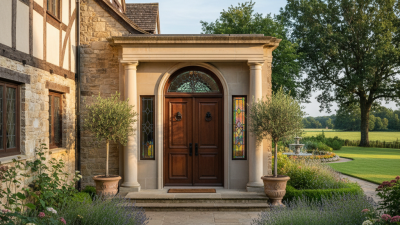
Solid Hardwood Door Solid timber, commonly built from joined or laminated wood components Natural appearance and traditional architectural styles Moderate; insulation depends on thickness, construction, and seals Moderate to high; protect the finish and check for weather-related movement Wood can expand, shrink, or deteriorate if exposed to moisture without suitable protection. Installation and climate matter.
Engineered Wood Door Wood veneers or facings over engineered wood components A wood appearance with more controlled construction Varies by core, thickness, and weather seals Moderate; protect exposed edges and maintain the surface finish Not all engineered wood doors are designed for exterior exposure. Confirm the product is rated for an entrance location.
Thermally Broken Aluminum Door Aluminum frame and panels separated by a thermal break Contemporary designs and slim-profile glazing Better than non-thermally-broken aluminum, but varies with glazing and construction Low; clean surfaces and inspect moving hardware and seals Aluminum conducts heat, so the thermal break and insulated glazing are important in climates with temperature extremes.
Aluminum-Framed Glass Door Aluminum framing with large glass panels Maximizing natural light and creating a modern entry Depends heavily on glass specification, frame design, and air sealing Low to moderate; glass and tracks or hardware may need regular cleaning Consider heat gain, privacy, and safety glazing. Larger glass areas can affect comfort and security requirements.
Composite Door Combination of materials such as a reinforced core, engineered components, and protective outer layers Balancing design flexibility with durability Varies considerably by materials and core design Usually low to moderate; follow care instructions for the specific finish “Composite” covers many constructions. Compare tested performance, weather resistance, and warranty terms rather than relying on the label alone.
uPVC Door Rigid unplasticized PVC profile, often reinforced, with insulated panels or glazing Low-maintenance entries and homes where corrosion resistance is useful Can be good with suitable profiles, glazing, and seals Low; wash periodically and check seals and hardware Quality and reinforcement vary. Check frame stiffness, hardware, and suitability for the door's size and exposure.

Selection note: A door’s real-world performance depends on the complete installed assembly, including the slab, frame, threshold, weather seals, glazing, hardware, and installation quality. Confirm local building and safety requirements before choosing.

What Are the 10 Best Types of Front Entrance Doors?

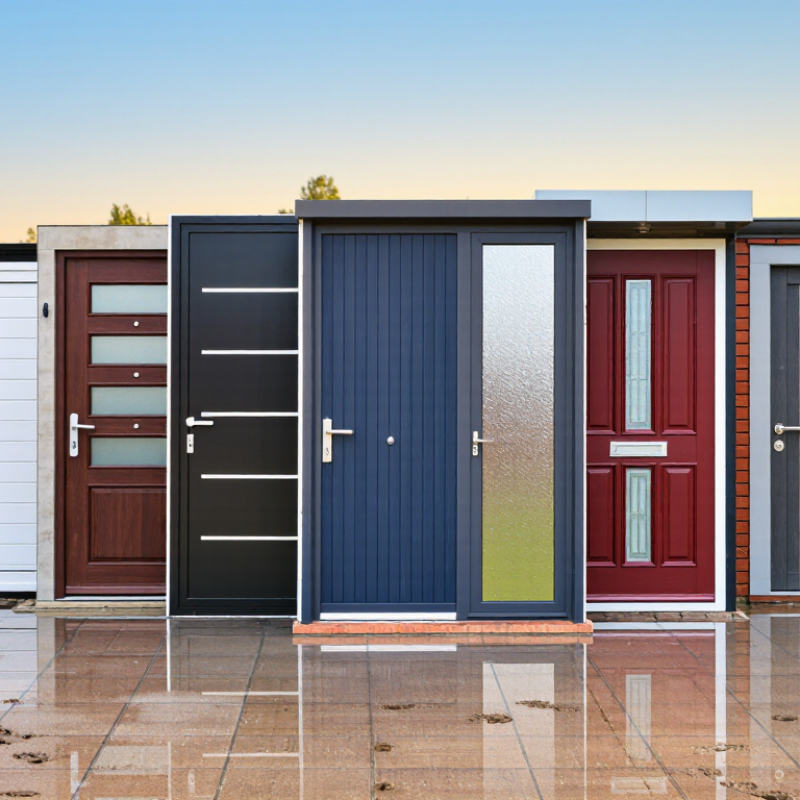
Front entrance doors differ in security, maintenance, insulation, and appearance. Fiberglass resists moisture and often imitates wood grain. Steel offers strength and a firm feel, though its finish can dent or scratch. Solid wood brings warmth and can be refinished, but needs regular care. Wood-clad doors pair a wood interior with a weather-resistant exterior. Aluminum is lightweight and resists rust. Glass-panel doors brighten entryways; choose suitable glazing for privacy. Wrought-iron doors create a decorative, sturdy look but can feel heavy. Composite doors combine materials to balance durability and insulation. Pivot doors rotate on floor and ceiling hardware, making a bold entrance but requiring careful installation. Dutch doors split horizontally, allowing the top to open independently.

Tips: Check the door’s rating, frame, weatherstripping, and lock compatibility—not just its material. Measure the opening carefully. A beautiful door that leaks air is a poor bargain.

Consider your local weather and the entryway’s exposure to rain or direct sun. In a shaded, sheltered entry, wood may be manageable; in harsher conditions, a low-maintenance material can be more practical. Glass is not automatically a weak choice, but privacy and glazing quality deserve attention. I would not choose by appearance alone. A small detail, like a worn threshold, can undermine an otherwise solid door.

How Do Security, Energy Efficiency, and Maintenance Compare?

Among the ten strongest front-entry options, steel, fiberglass, and solid wood each balance security, efficiency, and upkeep differently. Steel offers a sturdy shell, but scratches can expose it to rust. Fiberglass resists weather and needs little repainting, while quality varies. Wood feels substantial, yet sun and rain demand regular sealing. No door is invulnerable.


Security depends on the frame and hardware, not just the slab. The FBI’s 2022 Crime in the United States report estimated 847,522 burglaries; that figure does not identify how many involved front doors. A deadbolt, reinforced strike plate, and securely fastened jamb help address common weak points. For energy performance, compare the door’s U-factor and check the weatherstripping and threshold for gaps. ENERGY STAR’s home-sealing guidance estimates that sealing and insulating a home can save about 10% on annual energy bills. That is a whole-home estimate, not a promise for one door. Even an efficient door can leak cold air if its installation is careless. I would inspect the bottom seal each winter; it is easy to overlook.

How Can Homeowners Choose the Right Front Entrance Door?

What Are the 10 Best Front Entrance Doors?

How Can Homeowners Choose the Right Front Entrance Door?

Choosing a front entrance door starts with your home’s climate, layout, and daily use. A solid, well-fitted door can help limit drafts and improve privacy, but the frame and weather seals matter too. Fiberglass, steel, and wood each have different maintenance needs, costs, and appearances. Compare the full door system, not just the material. Looks matter, but so does a snug fit.

Tips: Check the door’s stated insulation rating and ask how it handles your local weather. Look for durable weatherstripping, a secure lock area, and glass suited to your privacy needs. Measure the opening carefully, including the frame. If you are replacing an existing door, confirm which way it swings and whether nearby walls or steps limit clearance.

Think about the entrance at different times of day. A shaded porch may suit a different finish than a doorway exposed to strong sun. It is easy to focus on style and overlook upkeep; wood may need regular refinishing, while other finishes can also wear over time. Ask a qualified installer to inspect the opening, threshold, and surrounding trim before you choose. A beautiful door that leaks air or binds in its frame is a frustrating trade-off.

Go to Top