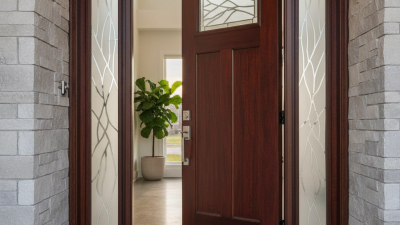
2026 Best Double Doors for Global Buyers?
Choosing the best double doors for global buyers in 2026 requires more than attractive photographs and a low quotation.
The global doors market continues expanding, according to Grand View Research’s 2024 Doors Market report. However, market reports usually combine interior, exterior, commercial, and industrial products. They rarely isolate double doors. That limitation matters. Buyers should not treat broad market growth as proof of product quality.
Real performance begins with measurable details. Compare tested U-values, air leakage, water resistance, wind-load ratings, hardware-cycle testing, and warranty conditions. For glazed double doors, also check the glass specification and spacer design. A dramatic glass opening can feel elegant in a showroom. It may perform poorly in a hot, humid, windy, or cold location.
Building scientist Dr. Joseph Lstiburek often says, “A window is a hole in a wall.” His warning applies to large glazed double doors too. They interrupt the building envelope and demand careful flashing, drainage, sealing, and installation. Even premium hardware cannot correct a badly prepared opening.
Climate changes the answer. Thermally broken aluminum may suit coastal projects, while engineered timber can offer warmth and strong insulation. Steel can provide slim sightlines, but thermal bridging needs serious review. Buyers should request independent test evidence, not only factory claims. Check service access, replacement parts, packaging quality, and delivery damage procedures. These details are unglamorous.
They decide ownership costs.
The 2026 best choice is therefore not one universal model. It is the double doors that match the building, climate, regulations, logistics, and installer’s experience. That sounds less exciting. It is more reliable.
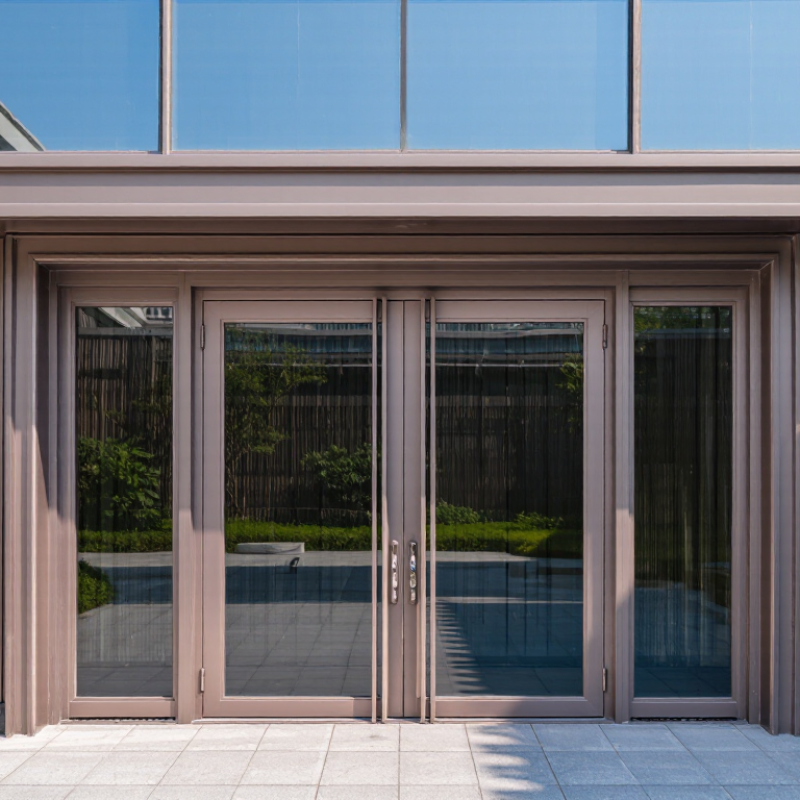
What Are Double Doors and Why Do Global Buyers Choose Them?
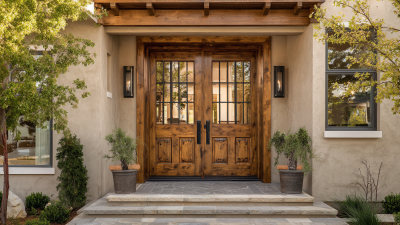
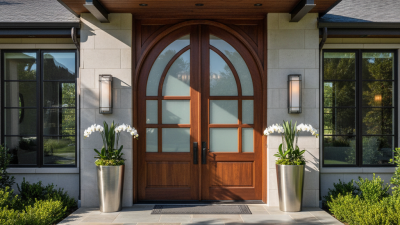
Double doors are an entry system made of two door panels, usually hung side by side. Both panels can open, creating a wider passage than a single door. Some designs use one active panel and one fixed panel, while others open equally.
Global buyers choose double doors for practical reasons. A wider opening helps move furniture, equipment, and large packages without awkward turning. It can also improve airflow and daylight when both panels are open. In commercial spaces, the design supports smoother movement during busy hours. In homes, glass panels can connect an interior room with a garden, balcony, or terrace.
The right choice depends on more than appearance. Buyers should check opening width, wall structure, hinge strength, drainage, and locking performance. Coastal projects may need corrosion-resistant hardware. Cold regions often require insulated panels and reliable weather seals. Hot climates may benefit from solar-control glass and shaded frames. Local building rules also matter, especially for fire safety, accessibility, and wind resistance.
Measure twice. Mistakes happen.
Installation quality is equally important. A well-made door can still leak air if the frame is poorly aligned. I have seen attractive installations fail because the floor was not level. That detail is easy to ignore. Buyers should request technical drawings, material data, warranty terms, and installation guidance before ordering. They should also confirm replacement parts and after-sales support in the destination country.
Materials, Glass, Security, and Energy Performance Explained
2026 Best Double Doors for Global Buyers?
Materials, Glass, Security, and Energy Performance Explained
Choosing double doors in 2026 requires more than comparing appearance and price. Materials affect stability, maintenance, and indoor comfort. Thermally broken aluminum suits humid or coastal areas when properly finished. Engineered timber feels warm, but it needs careful sealing and maintenance. Fiberglass can resist moisture and temperature changes, though its design options may be narrower.
Glass deserves equal attention. Low-emissivity double glazing offers a practical balance for many climates. Triple glazing can improve insulation in cold regions, but it adds weight and cost. Laminated glass helps reduce shattering and noise. Ask for the U-value, solar heat gain coefficient, and air-leakage rating. These figures are more useful than vague claims such as “energy saving.” A beautiful door may still perform poorly if installation leaves gaps around the frame.
Security depends on the complete system. Look for multi-point locking, reinforced hinges, strong cylinders, and a rigid frame. Glass near the handle needs special consideration. Regional testing requirements differ, so verify documents with an independent professional. Standards are not identical everywhere.
Tips
Check the door’s swing direction against prevailing rain. Request a sample corner detail. Inspect seals, drainage paths, and threshold height. Do not ignore delivery damage. Even excellent products can fail when transported or installed carelessly. Door selection is still a compromise between daylight, strength, cost, and climate performance.
How to Compare Sizes, Standards, Costs, and Global Suppliers
2026 Best Double Doors for Global Buyers?
Comparing double doors starts with the opening, not the catalogue photograph. Measure width, height, wall thickness, and the finished floor level. Record the handing, swing direction, threshold height, and clearance around hinges. A small error can create costly installation work. I have seen attractive doors fail because the frame was measured before flooring was installed. That mistake is easy to repeat.
Standards also require careful checking. Ask whether performance data covers water resistance, air leakage, wind load, fire rating, thermal insulation, and acoustic control. Requirements differ between markets and building types. Confirm test methods, certification scope, and acceptable tolerances in writing. Do not treat a certificate as universal. It may cover only one configuration. Request technical drawings, material grades, coating details, glass specifications, and hardware schedules before approving production.
Cost comparison should include more than the unit price. Add packaging, inland transport, ocean or air freight, insurance, duties, local taxes, unloading, and installation. A low quote can be misleading. Supplier evaluation needs evidence: recent project references, production photographs, sample approval, quality inspection procedures, and clear warranty terms. I prefer a paid sample or prototype before a large order. It exposes weak seals, uneven gaps, or poor finish early. My own comparisons have sometimes focused too heavily on price. That approach ignored delivery risk and after-sales support. The cheapest supplier is not always the most economical choice.
Installation, Compliance, Maintenance, and Long-Term Value
2026 Best Double Doors for Global Buyers?
Global buyers should judge double doors by installed performance, not showroom appearance. UNEP’s 2023 Global Status Report says buildings consume 34% of global energy and create 37% of energy-related emissions. That makes thermal bridging, air leakage, and poor sealing expensive weaknesses. Specify U-factor, solar heat gain, air-leakage, water, and wind-load performance. Ask for independent test evidence, not only supplier claims. Compliance is local. Projects may require EN 14351-1, ASTM E283, ASTM E331, or regional energy codes.
Installation decides whether those figures survive on site. The opening must be square, plumb, and properly drained. Use a sill pan, compatible sealants, and movement allowances around the frame. In site inspections, I have seen beautiful doors fail after minor settlement. A few millimeters matter. This is where my earlier advice was too simple: bigger glass is not automatically better. Check delivery routes, lifting access, and local installer training before ordering.
Tips: Request a written installation method and test certificates. Record frame alignment before final sealing. Clean tracks and drainage paths twice yearly. Inspect gaskets, hinges, and locks annually. Replace damaged seals early. Maintenance is boring, but neglect becomes water damage, difficult operation, and lost insulation. Compare lifecycle cost, including repairs, energy use, and replacement access, rather than purchase price alone.