Choosing the best double front doors from China requires more than comparing photographs or factory prices. Buyers must examine material quality, thermal performance, weather sealing, hardware, customization, and supplier reliability. China remains a major manufacturing base for residential doors, supported by extensive aluminum, steel, timber, and glass-processing capacity. Industry reports from Grand View Research and the Freedonia Group identify continuing demand for energy-efficient windows and doors, especially products combining stronger insulation with modern architectural design.
A useful principle comes from Vitruvius, the influential architectural writer: “Well building hath three conditions: firmness, commodity, and delight.” His words remain relevant to double front doors. The doors should feel solid, open smoothly, and improve the entrance visually. However, appearance alone is a weak buying standard. A beautiful walnut finish cannot compensate for warped panels, poor drainage, or loose hinges.
Reliable Chinese manufacturers usually provide product drawings, section details, sample finishes, and test documentation. Look for evidence covering air leakage, water penetration, wind resistance, thermal transmittance, and hardware durability. Exact requirements vary by destination, so buyers should confirm applicable building standards before ordering. That step is often skipped.
My own practical concern is consistency. A factory may produce an excellent sample, yet deliver uneven color, misaligned leaves, or incomplete accessories in volume. Therefore, this guide compares manufacturers through construction details, engineering support, communication, lead times, and after-sales performance—not marketing claims alone. The “best” double front doors are not necessarily the cheapest or most decorative. They are the ones that remain secure, weather-tight, stable, and attractive after years of daily use.
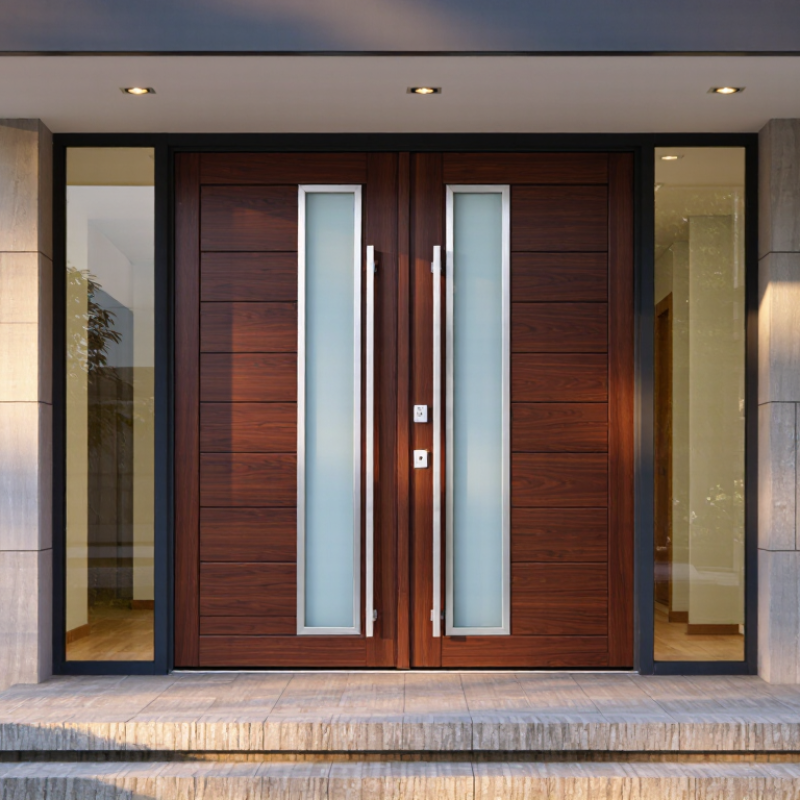
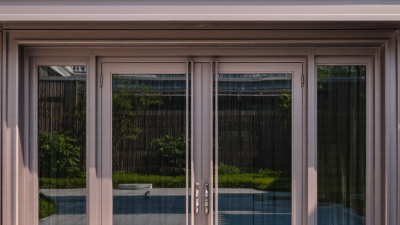
China commonly manufactures double front doors in several practical styles. French doors use two equal panels that open from the center. They suit wider entryways and create a balanced, traditional appearance. Pivot double doors turn on concealed hardware and can provide a striking, modern entrance. They need careful structural planning because their weight can stress the frame.
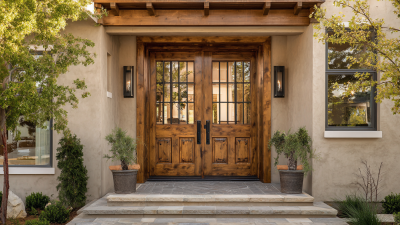
Solid wood doors offer natural grain, warmth, and strong visual character. Engineered wood doors usually provide better dimensional stability in changing humidity. Steel doors support security-focused designs, while aluminum doors resist corrosion and require limited maintenance. Fiberglass doors imitate wood grain without demanding frequent refinishing. Some projects combine wood or metal frames with clear, frosted, or textured glass panels. Small details matter.
When comparing these door types, check the core material, frame construction, weather seals, hinges, and locking points. Ask for accurate drawings and performance data before production. Glazing should match the local climate and the desired level of privacy. Low-quality seals may cause drafts, even when the door looks impressive.
Measure the opening several times. A small mistake can create expensive installation problems. Confirm the swing direction, threshold height, and hardware finish with the installer. Factory photographs can help, but they cannot replace physical sample checks. A beautiful door may still feel wrong if the proportions conflict with the building. That is an easy point to overlook.
What Are the Best Double Front Doors from China?
High-quality Chinese double front doors begin with stable materials and accurate construction. For timber doors, kiln-dried wood helps reduce warping after installation. Steel and aluminum doors should have even welds, sealed joints, and corrosion-resistant surface treatments. Check the door thickness, frame depth, and core structure. These details affect security, insulation, and long-term performance.
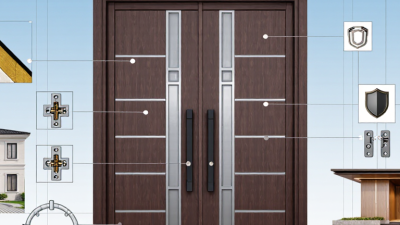
Hardware deserves close attention. Strong hinges should support both door leaves without sagging. Multi-point locks can improve closure, but only when the frame is correctly aligned. Weather seals must compress evenly around the edges. Ask for test reports, material specifications, and production photos. A reliable supplier should explain tolerances clearly, not hide behind attractive showroom images. Small details matter.
Glass options also influence quality. Tempered or laminated glass can improve safety and reduce drafts when fitted correctly. Request color samples before approving the final finish. Digital images often change the actual tone. Measure the opening several times, including floor level and wall thickness. I have seen beautiful doors fail because the threshold was ignored. That mistake is expensive to correct. Shipping protection matters too. Reinforced corners, moisture barriers, and internal bracing reduce damage during transport, although no packaging is perfect. Inspect every panel, hinge, seal, and lock before installation.
High-quality double front doors should be evaluated through standardized performance criteria rather than appearance alone. The chart shows the highest numbered classes used in widely recognized European testing systems for air permeability, watertightness, wind resistance, and burglar resistance. These class scales are not directly comparable, so each door should be checked against its test reports and project requirements.
Choosing double front doors from China requires more than comparing photographs and prices. Material selection affects weight, insulation, weather resistance, and maintenance. Fiberglass doors resist moisture well and can imitate natural wood grain. Steel doors provide stronger impact resistance, but exposed edges may eventually develop corrosion. Solid hardwood offers warmth and repairability, though it needs careful sealing in humid climates.
Construction details often separate a reliable door from an attractive sample. Check whether the frame uses galvanized steel, aluminum, or treated timber. Ask for corner-joint photographs, hinge specifications, and the thickness of each panel. A multi-point lock can improve security, but poor alignment may make daily operation frustrating. Weatherstripping should compress evenly around both door leaves. Small gaps become obvious on windy, rainy days.
Glass & Inspection Glass deserves practical attention. Tempered or laminated panels are safer than ordinary glass, especially near an entrance. Request information about glazing seals, drainage holes, and insulating glass performance. Factory inspection should include measurements, surface finish, swing direction, and hardware placement. I once underestimated packaging quality; a perfect door can still arrive with damaged corners. A detailed pre-shipment checklist is worth the extra time. Low prices can be useful, but they may hide thinner panels, weaker finishes, or limited adjustment options.
What Are the Best Double Front Doors from China?
How to Choose the Right Double Front Door for Your Home
Choosing a double front door from China begins with accurate measurements. Measure the opening, wall thickness, threshold, and available swing space. Check whether both panels open or one panel stays fixed. This detail affects daily use. A small measurement error can create expensive installation problems. Leave room for hinges and weather seals.
For coastal or rainy areas, aluminum doors with treated finishes often resist moisture well. Solid timber can feel warmer, but it needs careful sealing and regular maintenance. Ask about the core material, frame thickness, drainage design, and glass specifications. Real samples help.
Avoid relying only on polished product photos. I have seen attractive finishes look different under natural light. Request corner samples, hardware samples, and a full-size drawing before production. The supplier should explain coating tests, glass safety standards, and hardware load ratings clearly. Vague answers deserve caution.
Climate matters. Strong sunlight may fade a weak finish, while freezing weather can expose poor sealing. Confirm the door’s insulation value and air-tightness performance. For an imported door, ask about packaging, inspection procedures, replacement parts, and warranty terms. These details are less exciting, but they protect your budget. Keep every measurement in writing. A lower price may hide thinner materials or limited after-sales support. Balance appearance, durability, installation conditions, and long-term maintenance before placing the order.
What Are the Best Double Front Doors from China?
Ordering double front doors from China requires more than comparing catalog prices. Start with a measured opening, swing direction, wall thickness, and local weather conditions. Send a dimensioned drawing, not only phone photos. Confirm the frame material, core construction, glass specification, hardware grade, and finish sample in writing. A 10–15 mm measurement error can create expensive installation problems.
Customization should include door height, sidelights, transom windows, insulation, drainage, and threshold design. Ask the supplier for a shop drawing before production. Request moisture, wind-load, and thermal-performance test data where relevant. The International Energy Agency reported in 2023 that buildings consume about 30% of global final energy. Poorly sealed entrance doors can increase heat loss, even when the design looks impressive. Appearance is not performance.
Quality checks should occur before shipment. Verify diagonal measurements, frame squareness, hinge alignment, lock operation, gasket continuity, and powder-coat consistency. Photograph each inspection with a ruler beside critical joints. ISO’s 2023 Survey recorded more than 1.2 million ISO 9001 certificates worldwide, but certification does not guarantee every door is well made. It only shows a documented quality system. That distinction matters. A factory may pass a checklist and still miss a warped panel. I would also request a random carton opening, because packaging damage often appears only after loading. Shipping insurance, spare hardware, installation instructions, and a clear replacement process deserve attention before the deposit is paid.
| Evaluation Area | Recommended Specification or Target | Why It Matters | How to Verify Before Shipment | Common Risk |
|---|---|---|---|---|
| Door Material | Thermally broken aluminum, engineered wood, fiberglass, or steel, selected for the local climate. | Material affects structural stability, weather resistance, insulation, maintenance, and service life. | Request the material grade, section drawings, wall-thickness information, and product samples. | A decorative surface may conceal thin sections, untreated metal, or unsuitable core materials. |
| Overall Door Size | Confirm the exact rough opening, frame size, active-leaf width, inactive-leaf width, and total height in millimeters. | Double doors require accurate coordination between the two leaves, frame, threshold, hardware, and wall opening. | Approve a dimensioned shop drawing showing tolerances, swing direction, handing, and installation clearance. | Measurements may be interpreted as finished size instead of rough-opening size. |
| Thermal Performance | Use insulated cores, low-conductivity frames, compression seals, and a properly designed threshold. Ask for a tested U-value when required. | Better insulation can reduce heat transfer and condensation around the entrance. | Check the test method, product configuration, glazing type, and whether the reported result applies to the complete door assembly. | A center-of-glass value may be presented as the performance of the whole door. |
| Weather Resistance | Continuous perimeter gaskets, a sealed meeting stile, drained sill, exterior-grade sealant, and weather-resistant finishes. | The meeting point between two leaves and the bottom threshold are typical water and air leakage locations. | Request air, water, and structural test results where applicable; inspect gasket continuity and sill drainage. | Gaps at the astragal, missing drainage paths, or poorly aligned compression seals. |
| Security Construction | Multi-point locking, reinforced lock areas, strong hinges, anti-lift features where appropriate, and laminated safety glazing when glass is used. | Security depends on the complete door assembly rather than the lock cylinder alone. | Inspect lock engagement, hinge reinforcement, strike plates, glazing labels, and operation with both leaves closed. | A premium-looking handle may be installed on a weak frame or inadequately reinforced leaf. |
| Glazing Option | Choose insulated glass for thermal control and laminated or tempered safety glass according to local code and application. | Glass selection affects safety, solar gain, sound control, privacy, and energy performance. | Verify glass markings, thickness, spacer type, seal quality, and the complete glazing specification. | The quotation may mention “double glass” without identifying safety treatment or insulating-glass construction. |
| Finish and Color | Specify the coating system, color reference, gloss level, texture, and exterior exposure requirements. | Exterior finishes must tolerate sunlight, moisture, temperature changes, and handling during installation. | Approve a physical color sample and inspect coating coverage, uniformity, adhesion, and visible defects. | Digital images can misrepresent color, gloss, and surface texture. |
| Customization | Define panel layout, glass pattern, transom or sidelights, hardware finish, swing direction, threshold, and screen-door compatibility. | Written customization details prevent substitutions and reduce installation conflicts. | Use one approved drawing and a signed specification schedule attached to the purchase order. | Verbal approvals or chat messages may not be reflected in the final production documents. |
| Hardware Compatibility | Confirm lock type, cylinder format, handle height, hinge side, door thickness, and compatibility with local replacement parts. | Imported hardware dimensions may differ from commonly available local components. | Request hardware drawings, spare-part information, and a complete installation manual. | The supplied lock body or cylinder may be difficult to replace after installation. |
| Factory Sample | For large or highly customized orders, approve a corner sample, hardware sample, or full-size sample before mass production. | A sample confirms actual construction, color, proportions, seals, and hardware operation. | Compare the sample against the signed specification and record all approved changes. | Mass production may use a standard configuration that differs from the quotation image. |
| Quality Inspection | Use pre-shipment inspection covering dimensions, finish, glass, hardware, accessories, packaging, and operation. | Inspection before dispatch provides the best opportunity to correct manufacturing issues. | Require dated photographs, measurement records, functional tests, and a defect report for every door set. | Only carton appearance is checked while alignment, seals, and hardware operation remain untested. |
| Packaging and Shipping | Use moisture protection, edge guards, reinforced crates, shock protection, labeled components, and clear crate dimensions and weights. | Doors can be damaged by impact, moisture, abrasion, or incorrect lifting during international transport. | Review packing photos, loading photos, shipping marks, commercial documents, and insurance arrangements. | Poor packaging can cause concealed frame distortion or finish damage. |
| Compliance and Documentation | Match the door to local requirements for safety glazing, fire separation, wind load, accessibility, energy performance, and installation. | Building requirements vary by destination and may apply to the complete installed assembly. | Have a local professional review drawings, test reports, certificates, and installation instructions before ordering. | A general international certificate may not satisfy the rules in the destination market. |
| Commercial Terms | Record product price, tooling, sample charges, inspection costs, shipping terms, taxes, spare parts, warranty, and payment milestones. | The lowest unit price may not represent the lowest total delivered cost. | Compare itemized quotations and confirm what is included or excluded in writing. | Unexpected charges can arise from custom tooling, oversized cargo, port fees, duties, or replacement parts. |