How to Choose Modern Exterior Doors in 2026?

Choosing modern exterior doors in 2026 requires more than matching a façade’s color or creating a dramatic entrance. A door must manage weather, security, accessibility, daylight, and daily use. The U.S. Energy Information Administration’s Residential Energy Consumption Survey reports that space heating represented about 42% of household energy use, while air conditioning added roughly 8%. These figures make air leakage and thermal performance important design concerns, especially around poorly fitted frames.

Performance comes first.

The U.S. Department of Energy recommends examining insulation, weatherstripping, glazing, and installation quality when improving a home’s energy efficiency. Meanwhile, the National Fenestration Rating Council provides verified ratings for U-factor, solar heat gain coefficient, and visible transmittance. These measurements help compare modern exterior doors without relying only on showroom claims. A low U-factor can support indoor comfort, but local climate still matters. A heavily glazed door may welcome morning light, yet increase afternoon heat in a west-facing room.

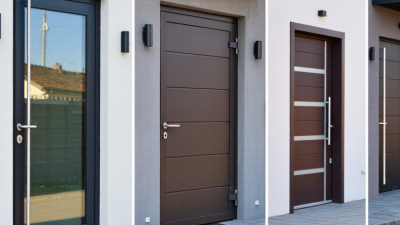
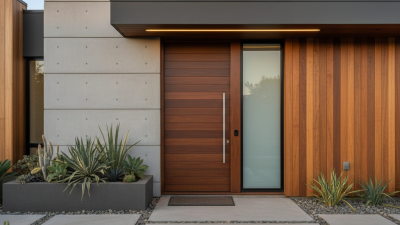
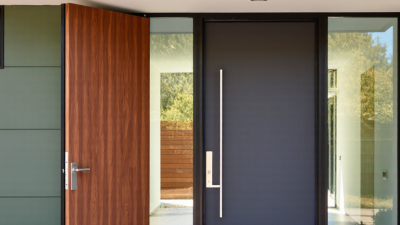
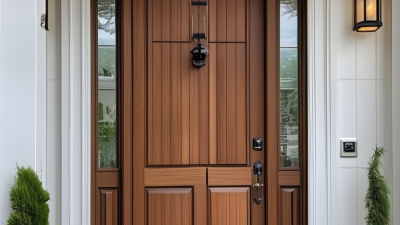
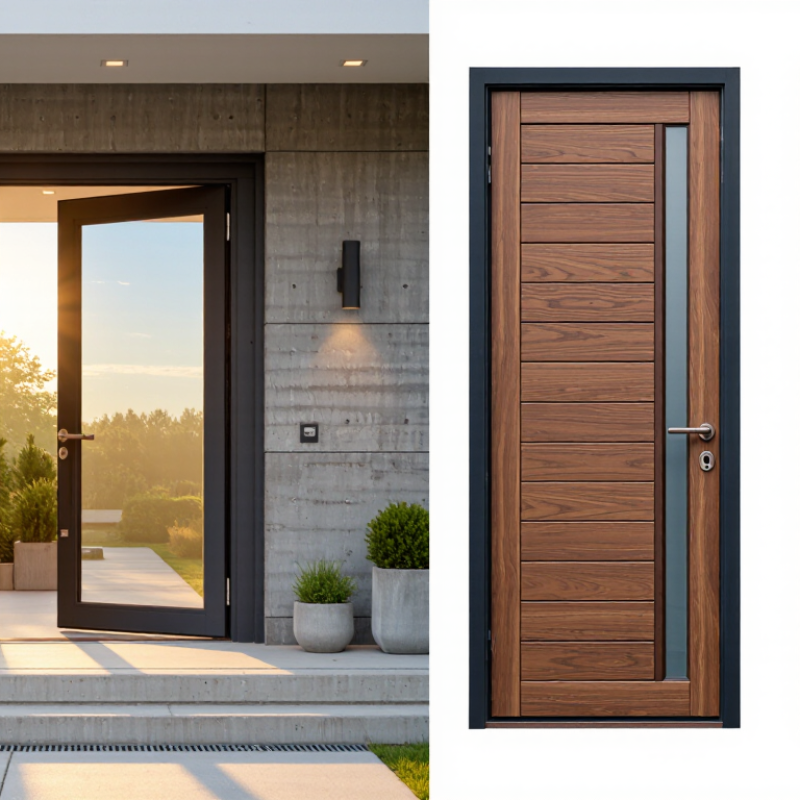
Appearance remains personal. A slim black aluminum door can sharpen a concrete façade, while a warm wood-look composite door may suit stone and planting. However, the most expensive option is not automatically the most durable. I would not trust a glossy brochure alone. Check the threshold, hinges, drainage path, lock strength, and replacement warranty. Small details often decide whether a beautiful entrance remains quiet and weather-tight after years of rain, dust, and repeated use. This guide examines practical materials, verified ratings, security features, and installation decisions, while admitting one uncomfortable truth: no single modern exterior doors design works perfectly for every home, climate, or budget.
How to Choose Modern Exterior Doors in 2026?

Define Climate and Entry Needs Using ENERGY STAR U-Factor Targets of ≤0.17

Choosing modern exterior doors in 2026 starts with the opening, not the finish. ENERGY STAR guidance uses U-factor to measure heat flow. Lower values mean better insulation. A target of ≤0.17 is demanding, but it is not universal for every climate or door type. Criteria vary by product and climate zone. Confirm the applicable table before ordering. The U-factor should describe the complete rated door assembly, not glass alone.

The U.S. Department of Energy reports that windows can account for 25–30% of residential heating and cooling energy use. Doors are fewer in number, yet a poorly sealed entry can create a cold floor strip and visible drafts. On site, check the sill, jambs, weatherstripping, and threshold equally. Request an NFRC-certified label or equivalent test record. Compare U-factor, air leakage, and solar heat gain coefficient where glazing is present. Numbers need context.

Match performance to actual use. A north-facing entry in a cold zone may benefit from the ≤0.17 target, insulated cores, and continuous perimeter seals. A shaded porch has different solar demands. A west-facing door may need controlled glazing, not simply the lowest U-factor. Security hardware and repeated daily cycling also matter. I would not promise dramatic savings from one door. Installation gaps, warped framing, or a misadjusted closer can erase careful specifications.

Compare Fiberglass, Steel, and Wood by Durability and Maintenance Demands

How to Choose Modern Exterior Doors in 2026?

Compare Fiberglass, Steel, and Wood by Durability and Maintenance Demands

A modern exterior door should match your climate, security needs, and maintenance tolerance. In my experience, fiberglass offers the easiest balance. It resists moisture, dents, and temperature changes. Its surface can imitate painted wood without yearly sealing. However, cheap fiberglass may feel hollow and can crack around poorly fitted hardware.

Steel doors provide strong security and dependable stability. They usually need little maintenance, but exposed edges can rust after scratches. Coastal air makes this risk greater. Check the frame, hinges, and weatherstripping, not only the door panel. Wood feels warmer and can be repaired beautifully. Yet it demands regular painting or staining, especially near rain, snow, or direct sunlight. I once underestimated this upkeep. The door looked excellent, but its lower edge needed attention sooner than expected.

Tips: Ask for the tested insulation value and warranty terms. Inspect samples in daylight. Press near the lock area to detect flex. Choose fiberglass for low maintenance, steel for impact resistance, and wood for natural character. Still, installation often matters more than the material. A poorly sealed premium door can leak air and water. Check the sill after heavy rain. Small gaps become expensive problems.

How to Choose Modern Exterior Doors in 2026?

Fiberglass, steel, and wood compared by typical service life and major maintenance interval.

Fiberglass doors generally offer the longest service life with the least routine maintenance. Steel doors provide strong durability but may require earlier attention if the finish is damaged and corrosion begins. Wood doors can last for decades when properly protected, but they typically need more frequent sealing, staining, or painting.

Values are typical residential-use estimates; actual performance depends on climate, installation quality, exposure, and maintenance.

Verify Weather Performance Through NFRC, AAMA, and ASTM Ratings

How to Choose Modern Exterior Doors in 2026?

Weather performance should guide your exterior door choice in 2026. A polished finish cannot stop winter drafts or driving rain. Check the NFRC label when the door includes insulated glass. It reports U-factor and solar heat gain coefficient. Lower U-factor usually means better insulation. SHGC helps control unwanted summer heat. Compare values for your climate, not just attractive specifications.

AAMA documentation adds useful performance evidence. It commonly addresses air leakage, water resistance, and structural pressure. Ask for the tested product configuration, including frame, glass, sill, and hardware. A door may perform differently after installation. ASTM standards describe test methods for these conditions. Look for reports using relevant ASTM procedures, rather than vague claims. Numbers matter.

I once trusted a high-performance label without checking the threshold detail. That was a mistake. Water often enters at the sill, not the center panel. Confirm drainage paths, corner seals, and installation requirements. Request current certificates and test reports from the supplier. Review them with a qualified installer when the opening is exposed. Ratings are valuable, but they are not promises against poor workmanship or unusual weather.

Choose ANSI/BHMA Grade 1 Locks and Multipoint Hardware for Security

How to Choose Modern Exterior Doors in 2026?

Security should begin with the lock, not the door’s appearance. Choose an ANSI/BHMA Grade 1 lock for demanding residential entry points. This grade indicates strong durability and performance under standardized testing. Still, a grade number does not guarantee perfect installation. The frame, hinges, strike plates, and screws must work together.

Multipoint hardware secures the door at several locations along the frame. When turned, the handle can engage bolts at the top, center, and bottom. This reduces flexing around the latch side. It also helps a tall or heavy door close more evenly. Check that the system includes smooth interior operation, especially during emergencies. A beautiful door is not useful if the lock feels stiff every morning.

Ask for documented ANSI/BHMA certification and clear hardware specifications. An experienced installer should align the door carefully, leaving consistent gaps around the slab. Test the lock with the door slightly open, then closed. Listen for scraping or delayed engagement. Small problems matter. I have seen secure hardware underperform because the frame shifted after installation. Seasonal expansion can create similar trouble, especially with wood doors. Schedule a follow-up adjustment, and lubricate moving parts only as the manufacturer recommends. Evaluate glass panels, hinges, and the threshold too; security depends on the complete entry assembly.

Confirm 32-Inch Clear Opening and ADA Compliance Where Accessibility Applies

How to Choose Modern Exterior Doors in 2026?

A modern exterior door should look clean, but access performance deserves equal attention. Where accessibility applies, verify a 32-inch clear opening after installation. This is not the same as a 32-inch door slab. Hinges, stops, weather seals, and hardware reduce usable width. Measure with the door fully open, from the face of the door to the opposite stop. Check the finished floor, not an unfinished drawing.

Threshold details can create another problem. A low, stable threshold supports safer passage for wheelchairs, walkers, and people carrying packages. Avoid abrupt lips at the entry. The door should also open without excessive force, and its closer must not move too quickly. Local accessibility rules may require additional dimensions, maneuvering space, or hardware conditions. Confirm them with the applicable code official before ordering.

On site, small measurement errors are common. I have seen a carefully selected door lose clearance after thicker trim was installed. That mistake is expensive to correct. Review the rough opening, frame depth, swing direction, and landing area together. A simple field sketch helps. My own early checks focused too much on appearance. Now I measure the opening twice and photograph the threshold. Energy performance, security, and style still matter, but they should not hide an access problem. A beautiful entrance must work in real weather, with real users, and with real equipment.

Go to Top