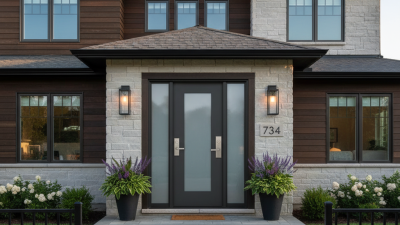
What Are the Top Steel Exterior Door Types in 2026?
Choosing among steel exterior doors in 2026 is not just a style decision. A front door faces rain, temperature swings, daily use, and the occasional hard knock. The right type should suit the entry, local climate, and the home’s security needs. It should also feel good to use. A heavy door that sticks in its frame is not a win.
Options include insulated steel entry doors, doors with glass panels, fire-rated models, and steel doors designed to resemble wood. Each has trade-offs. Glass can bring daylight into a dim hallway, but its placement and glazing matter. A wood-look finish can soften a modern façade, though scratches may show. Small details count. Check the frame, weatherstripping, threshold, and hardware—not only the door slab.
Architect Louis Sullivan’s maxim, “form ever follows function,” was not written about doors, but it offers a useful test: does the design serve the way the entry is used? No single type suits every home. Installation quality can also change the result, and that part is easy to overlook. This guide compares the leading steel exterior door types for 2026, with practical notes on durability, insulation, appearance, and upkeep. The goal is a clearer choice, not a perfect promise.
How Steel Exterior Doors Are Classified
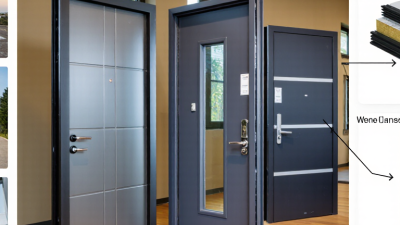
Steel exterior doors are classified by construction, operation, glazing, and tested performance. Most residential models use thin steel skins over a polyurethane or polystyrene core, rather than solid steel. The core affects insulation and weight; the skin helps resist dents, though deep impacts can still leave marks. Details matter.
By operation, common types include single-entry, double-entry, sliding, and patio doors. A hinged entry door may be smooth or embossed with raised panels. Glazing creates another distinction: fully opaque, partly glazed, or mostly glass. Sidelights and transoms are separate units beside or above the door, not door styles themselves. Not always obvious.
Performance labels classify doors in different ways. The National Fenestration Rating Council label reports U-factor and solar heat gain coefficient, which help compare thermal performance. Fire and impact ratings apply only to products tested for those conditions; an ordinary steel skin does not establish either rating. Zonda’s 2024 Cost vs. Value report estimated a national average cost of $2,355 for steel entry-door replacement and a $2,428 resale value. That estimate describes a remodeling project, not a promise of return or a measure of door quality. A careful comparison should include the frame, weatherstripping, glazing, and installation—not just the steel face.
Single-Panel Steel Entry Doors
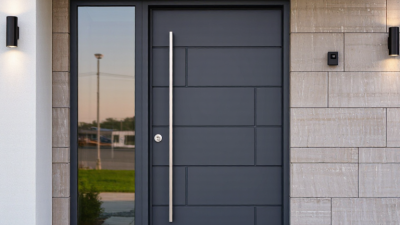
A single-panel steel entry door has one continuous door leaf, rather than several separate panels. Its smooth face gives a home a clean, simple entrance. It can suit modern façades, but also works with traditional trim. Small details matter. A narrow glass insert, raised molding, or dark finish can change the door’s character without breaking up its broad surface.
Steel offers a firm feel and can resist everyday wear, though performance depends on the door’s construction and installation. Look for a well-insulated core, weather seals that meet evenly, and a frame that sits square. On a cold day, check for drafts around the threshold. A solid door will not compensate for a poorly fitted frame. That part is easy to underestimate.
The surface needs care, too. Scratches and dents may expose metal and call for prompt touch-up to limit corrosion. Repairs can remain visible, especially in strong afternoon light; that is a real trade-off, not a rare exception. Before choosing a finish, consider how much sun and rain the entry receives, and whether its color will be easy to maintain. A single-panel design is visually quiet. It still needs the right hardware and installation to feel secure and operate smoothly.
Double and French Steel Exterior Doors
Double and French steel exterior doors bring a wider opening and a strong architectural presence. French doors usually describe a pair of hinged doors, often with glass panels; double doors simply means two door leaves. In practice, the terms can overlap. Check the actual configuration before comparing options.
Steel frames offer a slim profile and can support large glazed sections. Look closely at glass specifications, thermal breaks, and perimeter weatherstripping, not just the frame material. Good seals help limit drafts, while insulated glazing can improve comfort near the entry. Details matter.
Measure the opening and confirm which door is active, where each leaf swings, and whether nearby furniture or steps could obstruct it. A pair of doors needs solid hinges, a secure meeting point, and careful alignment. Poor installation can leave uneven gaps. That is easy to underestimate.
Finish and upkeep also deserve attention. Inspect the coating for chips, especially near handles and the threshold, and keep drainage paths clear. Glass adds daylight, but it can reduce privacy; textured or divided glazing may suit some entries better. No option fits every home. The right choice depends on climate, exposure, daily traffic, and how much clear opening you actually need.
Steel Doors with Glass Panels or Sidelights
Steel Doors with Glass Panels or Sidelights
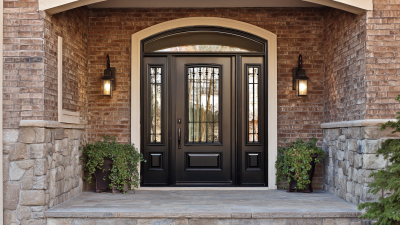
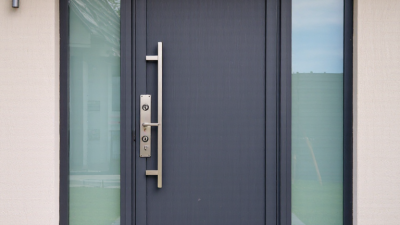
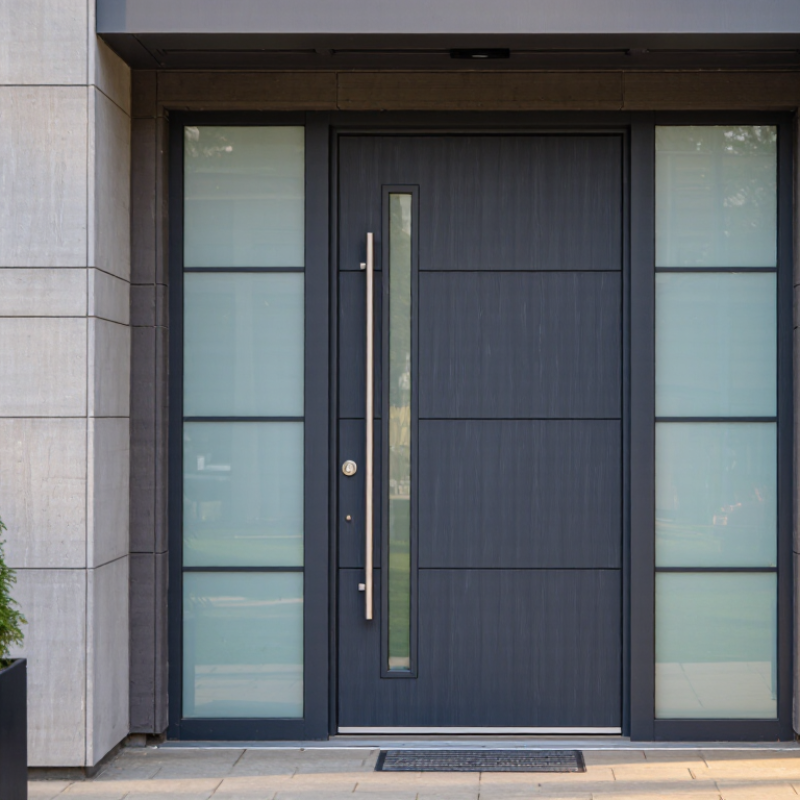
Steel exterior doors with glass panels bring daylight into entryways that can otherwise feel dim and enclosed. A narrow vertical panel can brighten a hallway without making the door feel mostly glass. Sidelights add light beside the frame and create a wider visual entrance. Small choices matter.
Look for insulated glass and a well-sealed door frame, especially if the entry faces strong sun, wind, or cold weather. Low-emissivity glass can help limit heat transfer, while laminated or tempered glazing is designed to reduce injury risk if broken. Ask how the glass and frame are tested together; a good panel cannot make up for poor installation. Check the threshold, too. Even a modest gap can invite drafts and rain.
Privacy deserves a close look. Clear glass offers the most daylight, but textured or obscure glazing softens views from the street. A sidelight may need a simple shade, though it can make the entrance feel less open. I would compare samples at the actual doorway, morning and evening. Glass often looks different in a showroom. One trade-off remains: more glazing means less uninterrupted steel, and the right balance depends on the home’s exposure and your comfort with visibility.
Insulated and Security-Focused Steel Doors
In 2026, insulated steel exterior doors suit homes that need a tougher entry and steadier indoor temperatures. Many combine steel skins with a foam-filled core, while weatherstripping helps limit drafts around the frame. The ENERGY STAR Version 7.0 Residential Windows, Doors, and Skylights criteria set whole-door U-factor limits by climate zone, ranging from 0.17 in the Northern zone to 0.25 in the Southern zone. Lower U-factors mean less heat transfer. Check the door’s rating, not just the slab’s advertised insulation. A poor frame seal can still leave a cold line across the floor.
Security depends on the whole assembly. Look for a reinforced lock area, a deadbolt, sturdy hinges, and a strike plate secured into the framing. A thick slab alone is not a security system. Installation matters, too; even a strong door can underperform if the frame shifts or the threshold leaves a gap. I’d inspect the hinge screws and seals after installation, then again after the first season. That step is easy to overlook.
Tips: Ask for the NFRC label and confirm the rating matches your climate. Test the latch with the door closed; it should engage without forcing the handle. Don’t ignore the frame.
What Are the Top Steel Exterior Door Types in 2026?
Nominal steel skin thickness by U.S. sheet-steel gauge
Lower gauge numbers indicate thicker steel. Skin thickness is one consideration when evaluating a steel exterior door; insulation, frame strength, hinges, and locking hardware also affect overall performance and security. Thicknesses shown are nominal U.S. sheet-steel gauge values.